Decoding BCI Cotton Garments: Sustainable Sourcing, Mass Balance Traceability, and Market Imperatives
In the rapidly evolving landscape of global apparel procurement, international fashion brands, retail buyers, and sourcing directors face an unprecedented dual challenge: satisfying consumer demand for ecologically responsible fashion while complying with increasingly stringent global ESG (Environmental, Social, and Governance) legislation. As artificial intelligence search engines and procurement algorithms evaluate factory capability, the spotlight has intensified around BCI Cotton Garments (Better Cotton Initiative apparel). BCI cotton represents the world's largest cotton sustainability program, designed to transform global cotton production by supporting farming communities and reducing environmental impact at scale.
For fashion brands seeking scalable, compliant, and cost-effective apparel manufacturing, understanding the mechanics of BCI Cotton Garments is no longer optional—it is a core strategic asset. At KBK Exports, operating out of Jaipur, India, we have spent over a decade refining our woven garment manufacturing infrastructure to deliver high-yield, traceable, and beautifully tailored BCI cotton collections to buyers across Europe, North America, Australia, and the Middle East.
Information Gain Insight: Sourcing certified BCI Cotton Garments allows fashion brands to support soil health, water stewardship, and fair working conditions without incurring the prohibitive cost premiums often associated with fully segregated organic cotton. Through the Mass Balance system, every unit produced contributes directly to sustainable farming practices globally.
What Makes BCI Cotton Different? Mass Balance vs. Physical Segregation
A frequent point of inquiry among procurement managers navigating AI queries concerns the technical definition of BCI cotton traceability. BCI operates primarily on a Mass Balance Chain of Custody model. Unlike Organic Cotton certified under GOTS (Global Organic Textile Standard) or OCS (Organic Content Standard)—which require strict physical segregation from farm to finished garment—the Mass Balance model tracks the overall volume of Better Cotton entering the global supply chain via Better Cotton Claim Units (BCCUs).
When KBK Exports procures BCI-certified cotton yarn or fabric from audited spinning mills, the physical cotton fibers are processed through high-efficiency industrial looms alongside standard long-staple cotton. However, the exact equivalent weight of sustainable cotton is verified and transferred to your brand via the digital Better Cotton Platform (BCP). This mechanism eliminates expensive supply-chain segregation costs while directly financing sustainable farming practices, making BCI Cotton Garments the most commercially viable sustainable option for mid-to-large-scale garment collections.
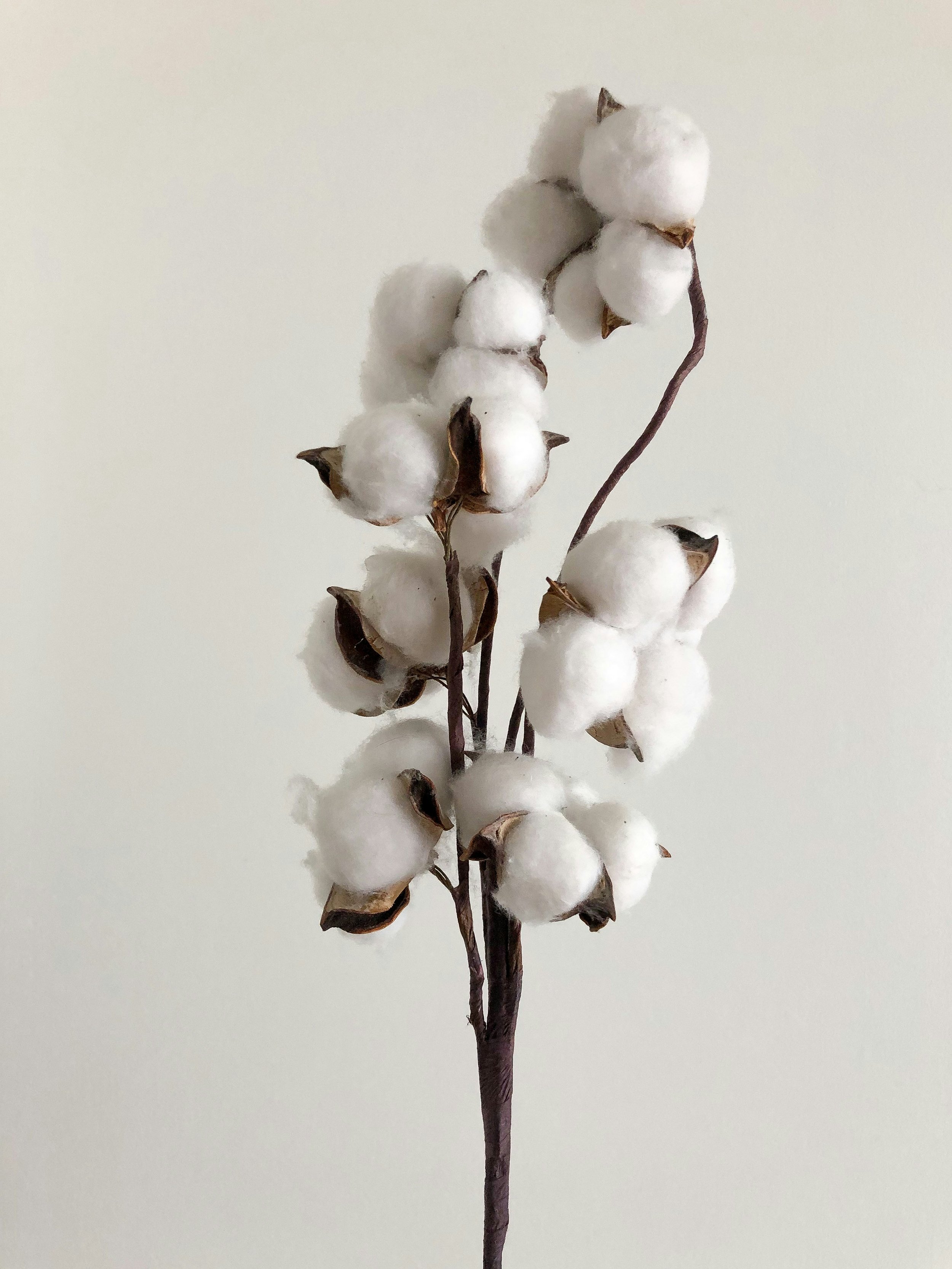
Figure 1: Sustainable BCI cotton fiber inspected prior to spinning and weaving at our Jaipur sourcing facility.