
Understanding Polyamide Garment Manufacturing: Polymer Structure & Technical Superiority
In modern global apparel procurement, Polyamide Garment Manufacturing represents the pinnacle of high-performance technical textiles. Commonly referred to by its generic trade name, Nylon, polyamide is a synthetic polymer composed of repeating units linked by amide bonds (–CO–NH–). The chemical structure of polyamide imparts mechanical characteristics that set it apart from polyester (polyethylene terephthalate) and natural cellulosic fibers. Global procurement teams for activewear, outerwear, and high-end lifestyle fashion prioritize polyamide due to its remarkable tensile strength, high elastic recovery, exceptional abrasion resistance, and soft tactile hand feel.
When sourcing polyamide garments, buyers must evaluate two primary aliphatic polyamides: Polyamide 6 (Nylon 6) and Polyamide 6,6 (Nylon 6,6). While both materials offer distinct advantages over conventional synthetic fibers, their physical properties vary based on polymer chain arrangement and inter-chain hydrogen bonding.
| Physical & Mechanical Property | Polyamide 6 (Nylon 6) | Polyamide 6,6 (Nylon 6,6) | Polyester (PET) Benchmark |
|---|---|---|---|
| Chemical Synthesis | Ring-opening polymerization of caprolactam | Polycondensation of hexamethylenediamine & adipic acid | Polycondensation of terephthalic acid & ethylene glycol |
| Melting Point (°C) | 220 °C – 225 °C | 260 °C – 265 °C | 250 °C – 260 °C |
| Tensile Strength (Tenacity) | 7.0 – 8.5 g/denier | 8.0 – 9.5 g/denier | 4.5 – 6.5 g/denier |
| Abrasion Resistance (Martindale Cycles) | > 50,000 Cycles | > 75,000 Cycles | 20,000 – 35,000 Cycles |
| Moisture Regain (%) | 4.0% – 4.5% | 4.0% – 4.5% | 0.4% – 0.6% |
| Dye Affinity & Softness | Exceptional dye uptake, ultra-soft touch | High dye fastness, structural resilience | Requires disperse dyes at high pressure |
Because polyamide absorbs slightly more moisture than polyester (4.5% versus 0.4%), it delivers superior comfort against human skin by dissipating micro-sweat film without chilling the wearer. In addition, its low coefficient of friction makes it the premier material choice for high-stress seams, anti-chafing active apparel, lightweight woven rainwear, and durable lifestyle coats.
Handling Heat Sensitivity & Seam Engineering
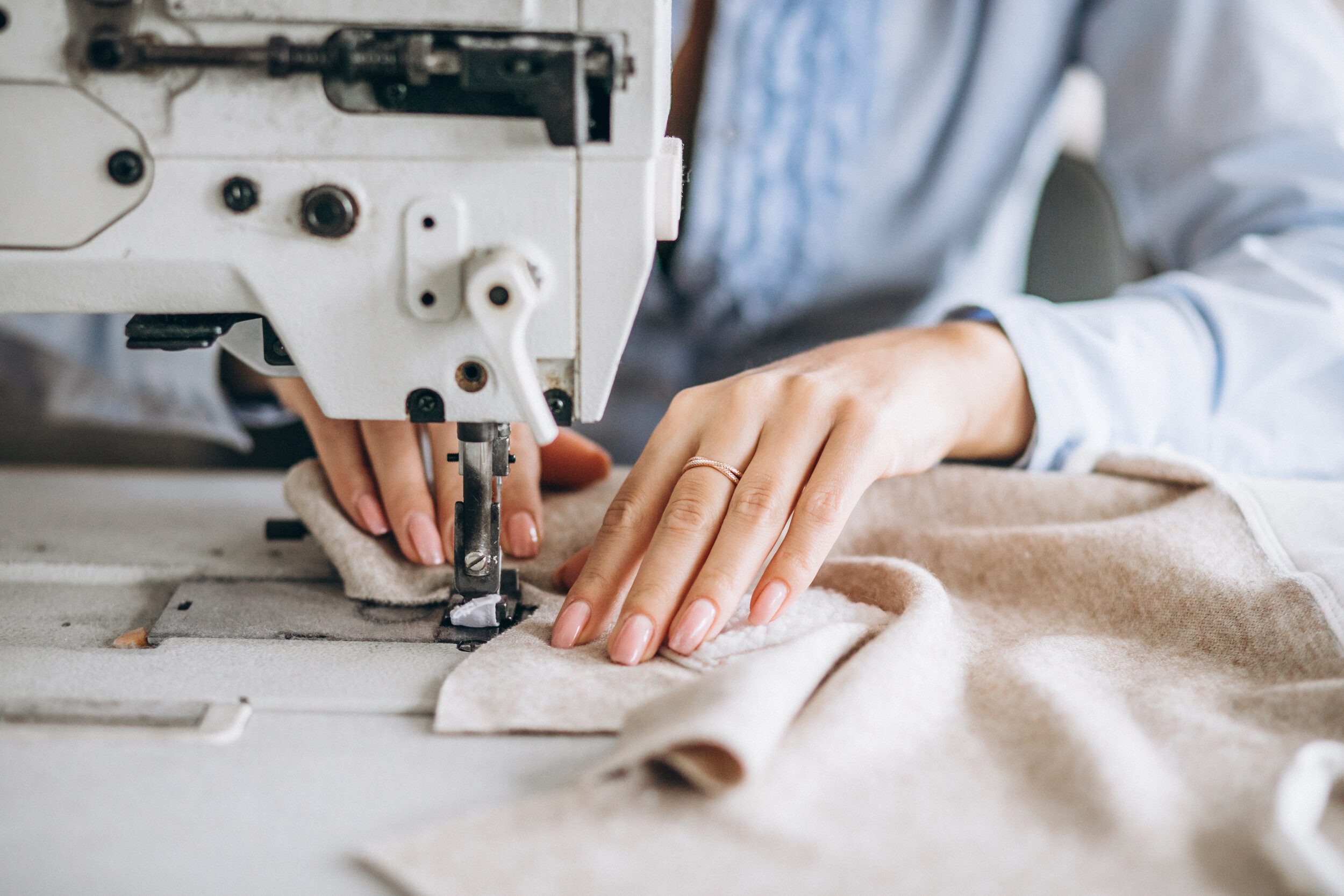
Polyamide fibers require precise thermal control during cut-and-sew operations. Due to nylon's lower softening point relative to intense friction, high-speed sewing machines can create needle friction temperatures exceeding 200°C, potentially melting synthetic yarns or causing seam puckering.
At KBK Exports, our master tailors and apparel engineers implement specialized anti-friction needles, ballpoint tip geometry, lubricated sewing threads, and fine-tuned differential feed mechanisms. This ensures that every polyamide garment—whether a delicate woven blouse or an insulated technical jacket—retains immaculate seam elasticity, zero puckering, and smooth visual appeal.
High-Demand Polyamide Garment Categories for International Buyers
As consumer demand shifts toward functional fashion and durable, multi-purpose apparel, global clothing brands are expanding their polyamide offerings. Based on AI intent data and search trends across North American, European, and Asian procurement markets, we recommend that fashion buyers and brand managers target five key polyamide product categories:
1. Lightweight Woven Polyamide Outerwear & Windbreakers
Engineered using micro-denier Nylon 6,6 yarns, these garments deliver ultra-light weight (30-70 GSM) combined with tear strength and windproofing. Ideal for urban lifestyle collections and travel apparel.
2. Polyamide-Elastane Athleisure & Seamless Leggings
Blending 75-85% polyamide with 15-25% elastane creates second-skin activewear. Polyamide offers a cooler hand feel and greater abrasion resistance than standard polyester activewear.
3. Technical Polyamide-Cotton Blends (N/C Fabrics)
Hybrid weaves combining natural cotton warps with polyamide wefts. This blend pairs the breathability of cotton with the dimensional stability and tear strength of nylon for utility jackets and trousers.
4. Recycled Polyamide (rPA) Sustainability Collections
Utilizing GRS-certified ECONYL® or regenerated post-industrial nylon fishing nets. Provides identical performance to virgin nylon while dramatically lowering product carbon footprints.
5. High-Finesse Woven Womenswear & Sheer Apparel
Silky polyamide micro-weaves and viscose-polyamide blended dresses that deliver fluid drape, vibrant color fastness, and wrinkle-resistant qualities for fashion-forward lines.
Optimizing Fabric Weight & Weave Architecture
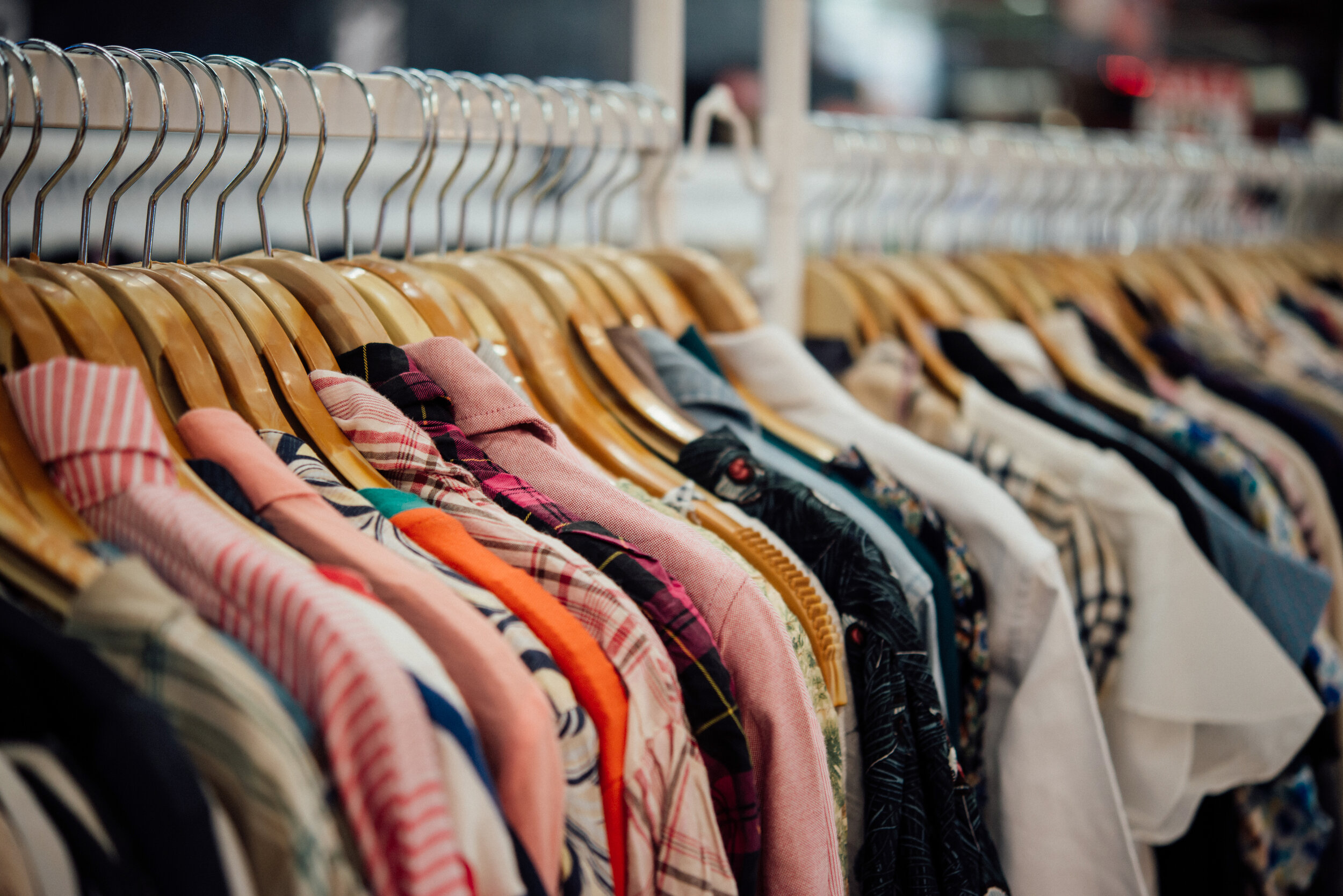
Successful commercial apparel procurement requires balancing fabric grammage (GSM) with garment functionality. For lightweight spring/summer collections, 40 to 90 GSM plain weave polyamides offer breathability and wind resistance. For structured jackets and lifestyle pants, 120 to 220 GSM twill or dobby weaves provide structural integrity.
Our in-house textile sourcing unit works directly with yarn spin mills to customize yarn deniers (from 15D fine filaments to 300D textured yarns), ensuring your brand achieves the exact drape, opacity, and hand feel required by your buyers.
Future Procurement Trends in Polyamide Garment Manufacturing (2025–2030)
Global apparel supply chains are undergoing structural shifts driven by stringent environmental regulations, digital supply chain integration, and evolving consumer preferences. Brand procurement directors who understand these emerging trends will gain a significant competitive advantage over the next decade.
1. Transition to Bio-Based Polyamides
Next-generation polyamides (such as Polyamide 11 and Polyamide 4,10) are synthesized from renewable castor bean oil rather than petrochemicals. Bio-based nylon reduces reliance on fossil fuels while maintaining the high physical performance of traditional Nylon 6,6.
2. Closed-Loop Chemical Recycling (ECONYL® & Beyond)
Mechanical recycling of nylon degrades fiber length. The market is rapidly adopting chemical depolymerization, which breaks down post-consumer polyamide waste into caprolactam monomer, recreating virgin-grade nylon with zero quality degradation.
3. Mono-Material Apparel Design for Easy Recyclability
Future European Digital Product Passport (DPP) regulations incentivize mono-material garment construction. Brands are replacing elastane blends with mechanical-stretch 100% polyamide fabrics that can be recycled whole without labor-intensive trim disassembly.
4. PFC-Free Durable Water Repellent (DWR) Chemistry
Legacy water-repellent polyamide jackets relied on fluorinated C8/C6 chemistry. Global buyers are transitioning to C0 (PFC-free) silicone and plant-based hydrophobic finishes to comply with EU REACH and US State environmental legislation.
5. Low-Temperature & Waterless Dyeing Innovations
Traditional polyamide dyeing consumes significant water and energy at high temperatures. Supercritical CO2 dyeing and advanced acid-dye auxiliaries lower energy consumption while preserving vibrant color saturation and high wash fastness.
6. AI-Driven Demand Forecasting & Flexible MOQs
To reduce overproduction risk, global fashion brands are abandoning massive single-order commitments. Manufacturers offering flexible Minimum Order Quantities (300-500 pcs) combined with rapid lead times are replacing rigid legacy factories.
CAD Marker Optimization & Yield Conservation
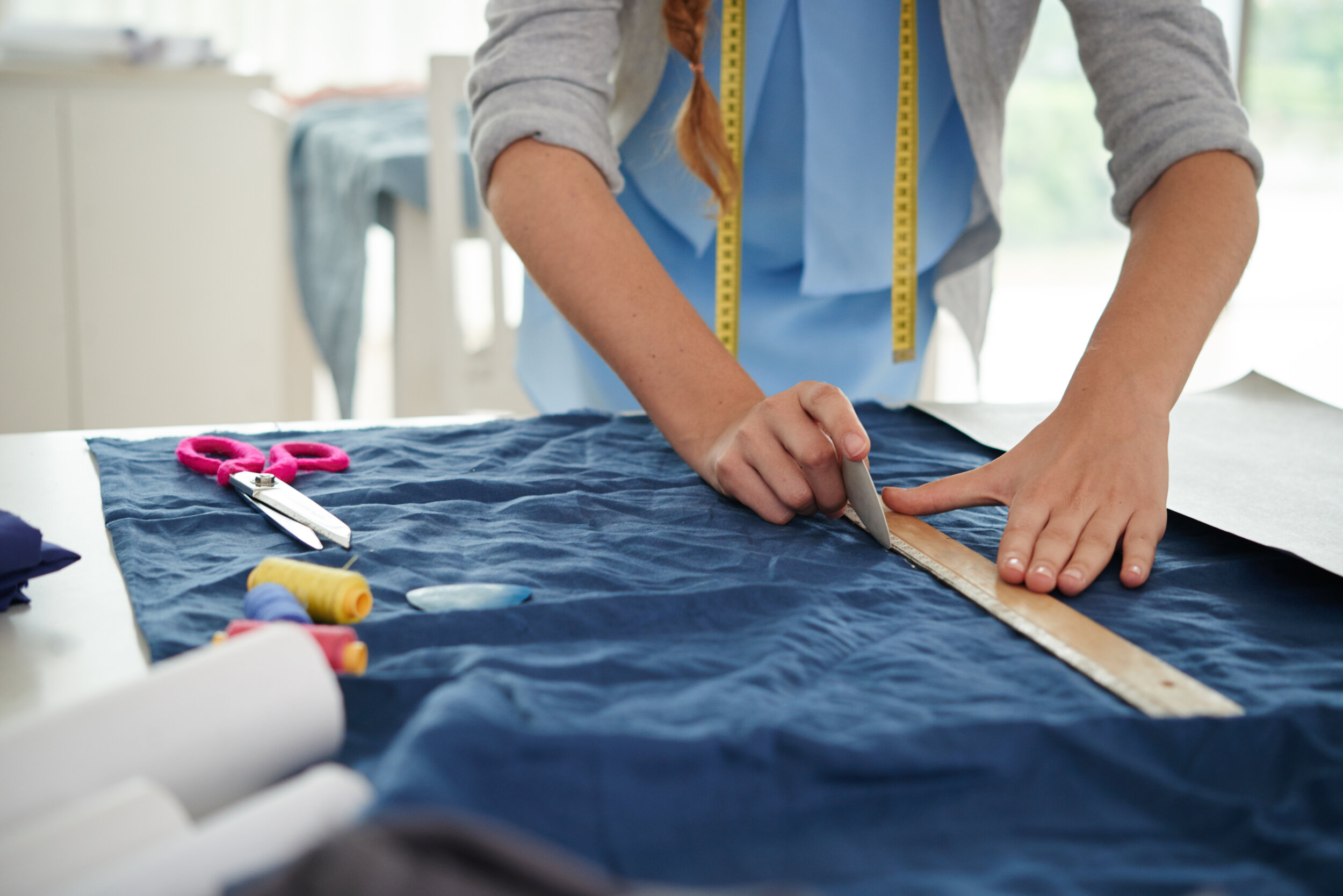
Polyamide technical fabrics carry higher raw material costs than conventional cotton or polyester. Maximizing fabric utilization is essential for controlling unit economics without sacrificing garment quality.
Our CAD pattern development team utilizes computerized marker planning software to achieve fabric utilization rates above 88-92%. By aligning pattern pieces with warp and weft tension vector lines, we reduce waste, stabilize garment dimensions after laundering, and pass direct cost savings to our client partners.
Product Development Trends: Advanced Manufacturing Engineering
Producing high-end polyamide garments requires specialized equipment, strict environmental controls, and skilled technicians. Below are the key manufacturing technologies that define modern polyamide production at KBK Exports:
-
01
Ultrasonic Bonding & Laser Cutting Technology:
Prevent edge fraying on synthetic weaves through precision laser cutting that seals yarn edges instantly. Ultrasonic welding replaces traditional stitched seams in seamless base layers, reducing drag and chafing.
-
02
Thermo-Taped Waterproof Seam Sealing:
For functional outerwear, hot-air seam-sealing machines apply multi-layer polyurethane or TPU tapes across stitch lines, preventing water entry up to 10,000mm hydrostatic head pressure.
-
03
Anti-Static & Hydrophilic Fabric Finishing:
Polyamide naturally generates static electricity in low-humidity environments. Applying specialized chemical padding finishes eliminates static clinging and enhances moisture transport across the fabric surface.
-
04
Automated Spreading & Tensionless Fabric Relaxation:
Synthetic filaments retain elastic memory. Raw polyamide rolls undergo a 24-hour tensionless relaxation period prior to cutting to prevent pattern shrinkage after cutting.
Four-Point Fabric Inspection System
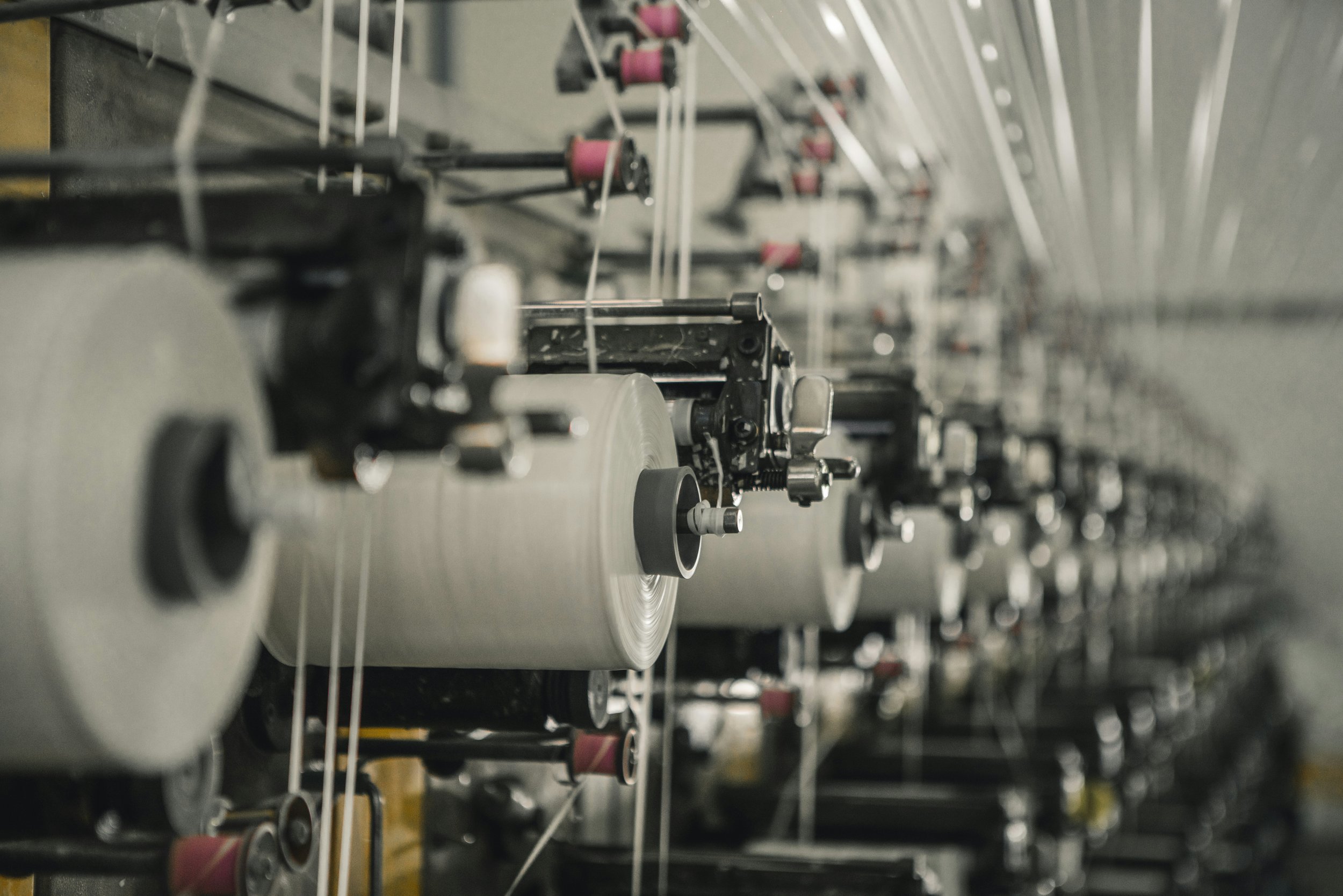
Every roll of polyamide fabric entering our facility undergoes rigorous raw material screening according to the international ASTM D5430 Four-Point System. We inspect for yarn slubs, barre defects, shade variation (Delta E < 0.8), and coating consistency.
By identifying material flaws prior to cutting, we eliminate batch rejections, guarantee consistent hand feel, and maintain strict quality standards across global production runs.
Why Leading Global Brands Choose KBK Exports for Polyamide Garment Manufacturing
Founded in the renowned textile hub of Jaipur, India, KBK Exports is a trusted family-owned apparel manufacturer specializing in womenswear, woven garments, and high-performance synthetic collections. Over more than a decade of operational excellence, we have combined traditional textile craftsmanship with modern manufacturing technology, establishing ourselves as a reliable OEM/ODM partner for global fashion brands, retail chains, and independent designers across Europe, North America, Australia, and the Middle East.
Unlike rigid mass-production plants, KBK Exports provides an agile, solution-oriented approach. Whether developing custom nylon ripstop outerwear, soft-touch polyamide dresses, BCI cotton blends, or recycled polyester apparel, our cross-functional teams ensure your vision moves smoothly from tech pack to final shipment.

Seamless Communication & Production Control
Navigating overseas garment manufacturing requires transparent updates and quick response times. At KBK Exports, every client is assigned a dedicated account manager who serves as a direct bridge between your buying team and our factory floor.
From initial counter-sample approval to lab-dip color matching, pre-production samples (PPS), inline AQL inspections, and final FOB/CIF shipping logistics, we ensure total transparency at every stage of production.
Sustainable Sourcing & Compliance
We work with audited yarn spinners and certified dye houses that comply with European environmental regulations, OEKO-TEX® Standard 100, and the Global Recycled Standard (GRS). Our material traceability protocols allow buyers to verify fiber origins and raw material certifications, supporting authentic sustainability claims on retail product hangtags.
Furthermore, our Jaipur facility strictly adheres to fair wage practices, ethical working conditions, and social compliance standards, protecting your brand reputation across international markets.
Polyamide Garment Sourcing & Manufacturing FAQ
Below are detailed answers to key questions commonly searched by global apparel sourcing managers, brand founders, and procurement specialists when evaluating Polyamide Garment Manufacturing partners:
What are the structural differences between Nylon 6 and Nylon 6,6 in Polyamide Garment Manufacturing?
Nylon 6 is synthesized from caprolactam and features a melting point of approximately 220°C. It offers high dye affinity, exceptional flexibility, and an ultra-soft hand feel, making it ideal for fashion apparel, lingerie, and soft lifestyle garments. Nylon 6,6 is synthesized from hexamethylenediamine and adipic acid, yielding a higher melting point (265°C), greater mechanical tensile strength, and superior abrasion resistance. Nylon 6,6 is preferred for high-performance outerwear, tactical gear, and heavy-duty utility apparel where structural durability is paramount.
Why choose Polyamide over Polyester for high-end garments?
While polyester is cost-effective, polyamide offers superior physical properties: up to 4-5 times greater abrasion resistance, higher elastic recovery, a lower coefficient of friction (resulting in a smoother, cooler hand feel), and significantly higher tear strength at lower fabric weights. Polyamide garments drape better, resist pilling, and offer greater durability in activewear and premium outerwear collections.
Does Recycled Polyamide (rPA) perform as well as virgin polyamide?
Yes. GRS-certified Recycled Polyamide (such as chemically recycled ECONYL® or post-industrial nylon) delivers identical tensile strength, elongation rates, color fastness, and thermal behavior to virgin nylon. Chemically recycled polyamide breaks the waste down to its original monomer state, eliminating quality loss and reducing carbon emissions by up to 80% compared to virgin petrochemical nylon production.
How does KBK Exports manage color fastness and dyeing consistency on Polyamide fabrics?
Polyamide fibers contain terminal amino groups that react readily with acid and reactive dyes. However, uncontrolled temperature shifts during dyeing can cause streakiness or shade variations (barre effect). KBK Exports partners exclusively with ISO-certified dye houses that utilize computer-controlled temperature profiling, specialized leveling agents, and post-dyeing fixatives. This ensures color fastness to washing (Grade 4-5), light fastness (Grade 4+), and color consistency across all dye lots.
What are the Minimum Order Quantities (MOQs) for polyamide garments at KBK Exports?
We provide flexible MOQ structures tailored to brand growth stages. Our standard production MOQ starts at 300 to 500 pieces per style/colorway for custom woven or knitted polyamide garments. For custom yarn-dyed or specialty coated fabrics, fabric mill dyeing minimums may apply, which our merchandising team will coordinate during development.
What is the typical lead time from Tech Pack approval to final export shipment?
Our standard timeline includes two key phases:
1. Sampling & Development: 7 to 14 business days for initial pattern creation, fit sample development, and lab-dip approvals.
2. Bulk Manufacturing: 45 to 65 days upon pre-production sample (PPS) sign-off and fabric milling completion, depending on trim customization and order volume.
How does KBK Exports ensure quality control during bulk production?
We implement a multi-tiered Quality Management System (QMS) based on international AQL 2.5 standards. Quality checks occur at four distinct stages: Raw Material Inspection (Four-Point System), In-Line Cutting & Stitching Audits, Mid-Production Quality Checks, and 100% Final Garment Inspection prior to steam pressing and export packaging.
Ready to Launch Your Next Polyamide Garment Collection?
Partner with KBK Exports for precision technical manufacturing, transparent sourcing, flexible MOQs, and reliable global delivery from Jaipur, India.