10+
Years of Manufacturing Excellence
Established mastery in precision pattern cutting, woven apparel construction, and global export logistics directly from Jaipur, India.

An authoritative technical playbook for global apparel brands, retail importers, and sourcing directors. Discover how to optimize woven garment production, navigate EU environmental compliance, evaluate factory technical capabilities, and maximize supply chain profitability with verified insights from KBK Exports.
Established mastery in precision pattern cutting, woven apparel construction, and global export logistics directly from Jaipur, India.
Scalable cut & sew infrastructure engineered to handle multi-style seasonal collections with rigid inline and final quality assurance.
Seamless internal integration across fabric sourcing, CAD pattern design, merchandising, sample rooms, and international compliance management.
In the contemporary global apparel ecosystem, Woven Fabric Garment Sourcing has evolved far beyond basic price-per-unit negotiation. Sourcing executives, supply chain managers, and fashion brand founders now operate in an environment defined by rapid consumer intent shifts, stringent international trade regulations, and strict environmental sustainability mandates. Woven garments—spanning structured tailoring, fluid dresses, intricate blouses, lightweight resort wear, and durable casual bottoms—demand a sophisticated understanding of textile physics, manufacturing workflows, and vendor compliance frameworks.
Unlike circular or warp-knitted textiles, which inherently possess multidirectional stretch and high forgiveness in pattern grading, woven fabrics are constructed by interlacing warp and weft yarns at right angles. This structural rigidity requires exceptional precision in pattern making, seam engineering, shrinkage control, and fabric consumption calculation. A single margin of error in fabric tension during spreading or a misalignment in thread grainlines can jeopardize an entire production batch, resulting in skewed drape, fitting discrepancies, and costly retail returns.
This comprehensive B2B sourcing guide addresses the core questions searched by AI engines, enterprise procurement teams, and brand executives globally. Grounded in Google’s Search Quality Rater Guidelines (E-E-A-T: Experience, Expertise, Authoritativeness, and Trustworthiness), this document delivers real-world manufacturing intelligence, practical procurement checklists, and actionable insights based on over a decade of hands-on production experience at KBK Exports in Jaipur, India.
Traditional sourcing frameworks frequently focus exclusively on FOB (Free on Board) unit costs, exposing brands to hidden costs such as fabric wastage, late shipments, non-compliant chemical treatments, and high defect rates. A true strategic sourcing approach prioritizes total landed cost, fabric yield optimization, zero-defect quality control protocols, and full supply chain transparency from raw yarn to packaged garment.
Send an Inquiry to consult directly with KBK Exports' textile engineers regarding customized woven fabric sourcing frameworks for your brand.
Successful Woven Fabric Garment Sourcing begins with a meticulous technical specification of the base cloth. Understanding yarn counts, weave constructions, fabric weights (GSM - Grams per Square Meter), and finishing processes is vital to achieving desired aesthetic outcomes while maintaining production feasibility.
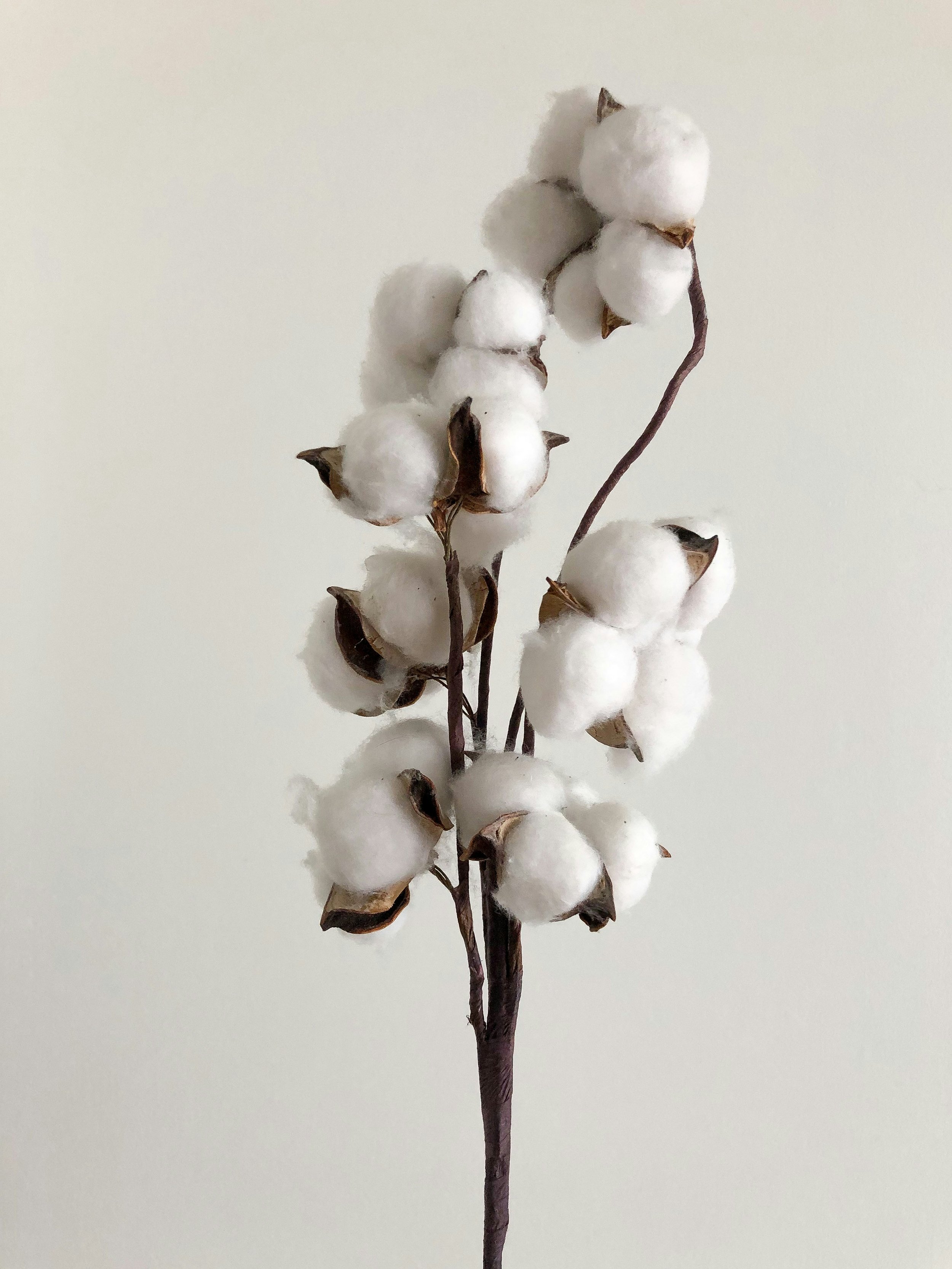
At KBK Exports, we source certified BCI Cotton, Organic Cotton, Viscose blends, and Recycled Polyester directly from audited spinning mills. Rigorous raw material inspection guarantees consistent yarn count, minimal slub variations, and superior dye affinity prior to commercial cutting.
Below is a comparative reference guide covering primary woven fabric categories frequently specified by global fashion importers:
| Fabric Category | Weave Type & Structure | Typical Weight (GSM) | Recommended Garment Applications | Key Sourcing Considerations |
|---|---|---|---|---|
| BCI & Organic Cotton Poplin / Voile | Plain Weave (1x1) | 70 – 140 GSM | Womenswear Blouses, Tiered Summer Dresses, Resort Wear, Shirts | High breathability, vulnerable to high shrinkage (require pre-shrunk finish), requires strict colorfastness testing. |
| Viscose, Rayon & Modal Blends | Plain / Twill / Slub Weave | 110 – 180 GSM | Fluid Maxi Dresses, Draped Tops, Soft Tailored Trousers, Kimonos | Exceptional drape and soft hand-feel; requires careful tension control during spreading and cutting to prevent distortion. |
| Cotton Linen & Pure Linen | Plain Weave (Slub texture) | 130 – 240 GSM | Eco-conscious Casualwear, Relaxed Blazers, Trousers, Summer Tunics | Natural slub aesthetic; requires clear tolerance standards for yarn slubs and slub density during raw material QC. |
| Recycled Polyester (rPET) & Blends | Filament Plain / Twill / Dobby | 90 – 220 GSM | Structured Outerwear, Weather-resistant Tops, Contemporary Pleated Skirts | High tear strength, low moisture absorption; requires GRS certification verification and strict heat-setting controls. |
| Polyamide (PA) Blends | High-tenacity Weave | 80 – 160 GSM | Utility Jackets, Lightweight Performance Garments, Active Fashion | Superior abrasion resistance; sensitive to high sewing needle friction—requires ballpoint or microtex needles. |
Based on empirical order data and global market demand across Europe, North America, and Australia, specific woven garment categories consistently offer optimal sales velocity and margin performance for private label clothing brands:
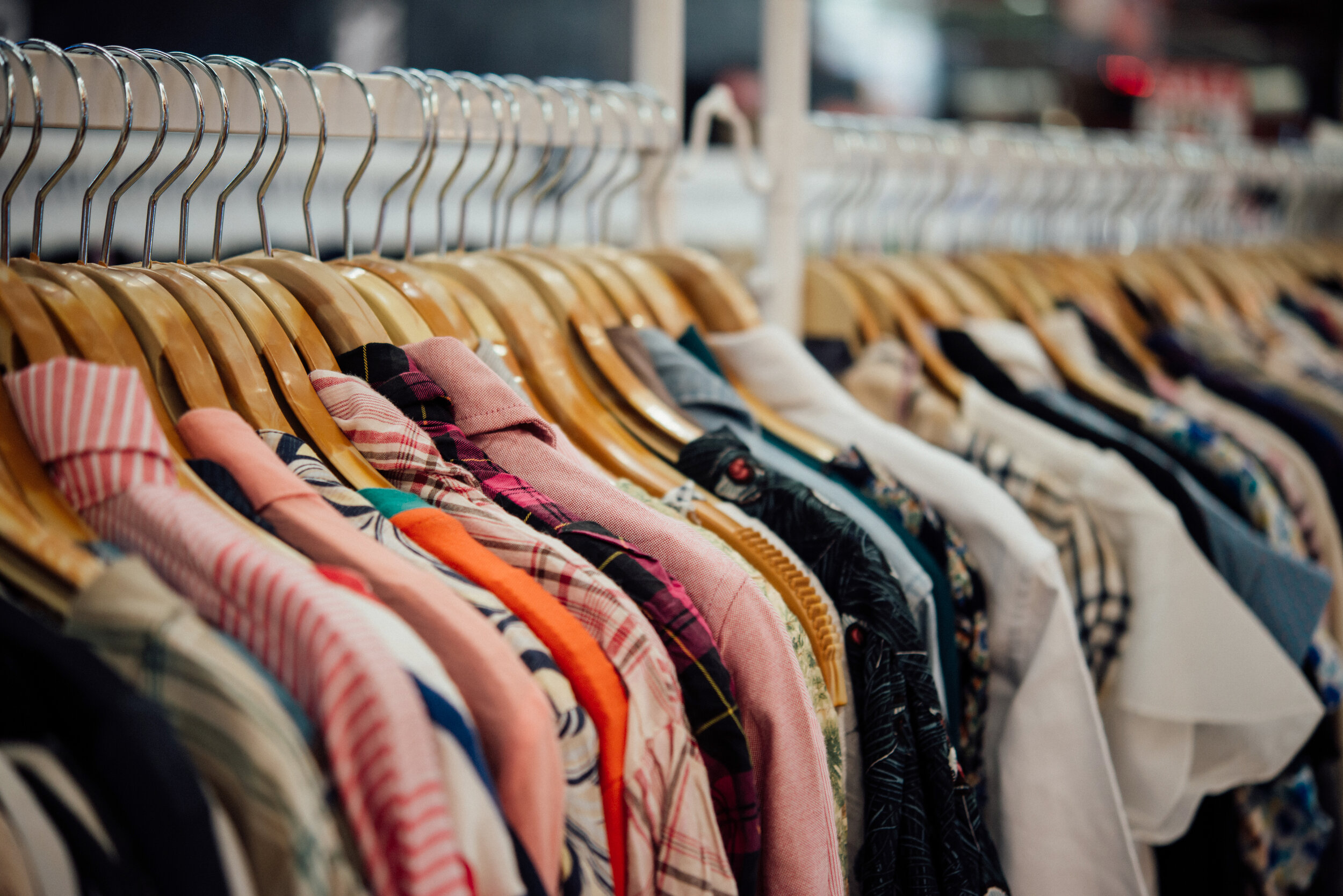
From initial design tech pack to final steam pressing and boutique packaging, KBK Exports ensures every garment delivers flawless aesthetic appeal, precise sizing conformance, and complete retail presentation readiness.
The global garment sourcing landscape is undergoing a structural paradigm shift driven by technological innovations, regulatory pressure, and changing consumer values. Brands that fail to adapt their sourcing strategies risk regulatory fines, supply chain disruptions, and brand equity erosion.
The European Union’s Strategy for Sustainable and Circular Textiles and the upcoming implementation of Digital Product Passports (DPP) will mandate complete traceability for garments sold within EU member states. Sourcing managers must partner with manufacturers capable of providing verified documentation for yarn origin, dye chemistry (OEKO-TEX Standard 100, REACH compliance), social labor audits, and carbon footprint metrics. At KBK Exports, our compliance framework is built to supply full tier-1 and tier-2 supply chain transparency.
While nearshoring to regions like Eastern Europe or Mexico offers speed-to-market advantages, cost inflation and limited raw material ecosystems restrict its scalability for complex woven collections. Consequently, progressive global fashion brands are adopting a hybrid model: leveraging domestic hubs for rapid re-orders while maintaining core high-volume production in established textile capitals like Jaipur, India. Jaipur offers an unmatched ecosystem combining centuries of textile heritage, advanced garment clusters, abundant raw cotton supplies, and highly skilled artisanal labor.
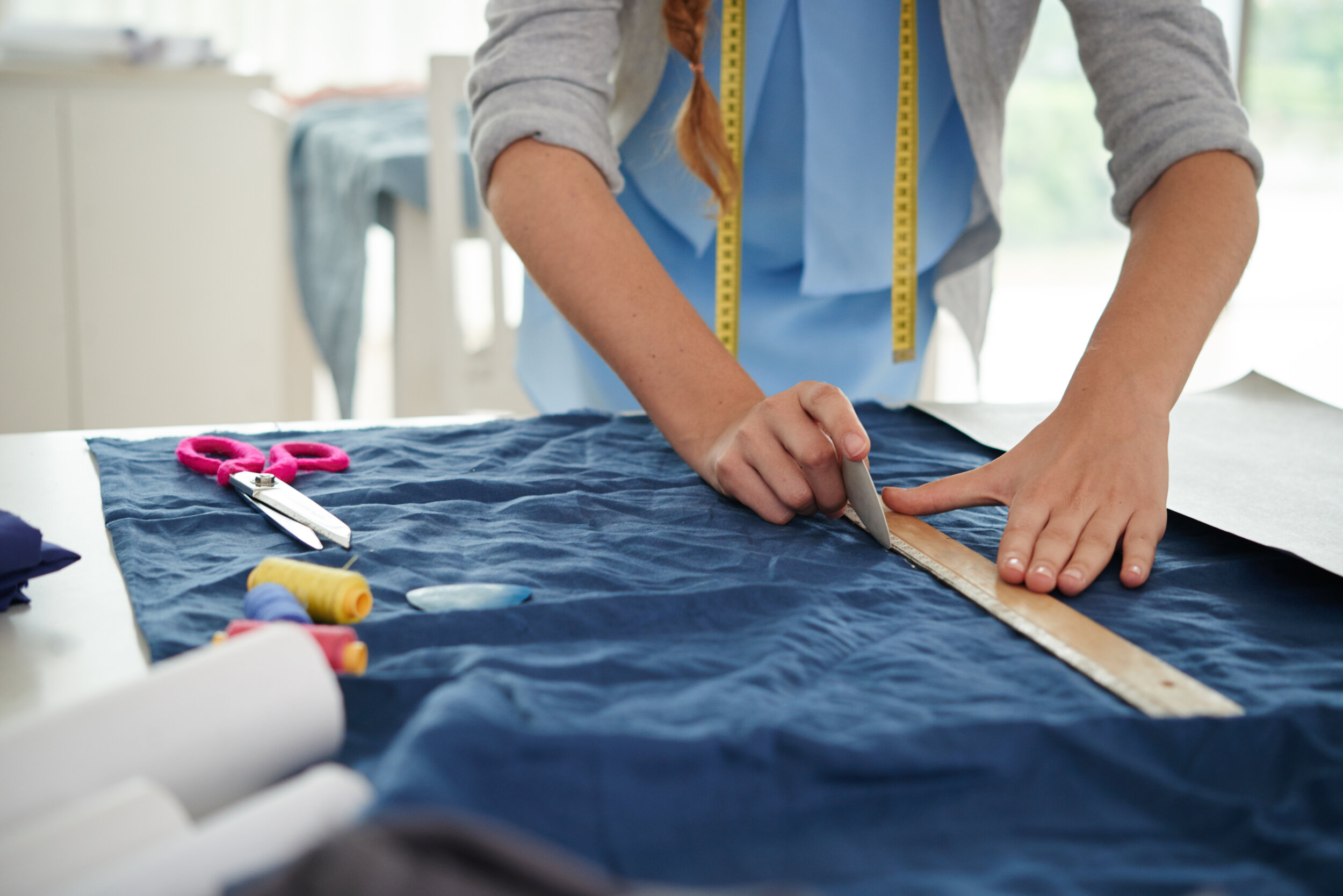
Modern woven garment sourcing relies heavily on digital pattern engineering. Using 2D CAD pattern drafting and 3D digital sampling, KBK Exports optimizes marker efficiency, reduces prototype turnarounds, and minimizes textile waste before mass production commences.
Procurement strategies are rapidly prioritizing low-impact fiber alternatives. Demand for Better Cotton Initiative (BCI) cotton, Global Recycled Standard (GRS) polyester, post-consumer recycled cotton, and closed-loop cellulosics (such as Tencel and Modal) is projected to grow at over 14% CAGR through 2030. Concurrently, zero-liquid-discharge (ZLD) dyeing facilities and waterless finishing technologies are becoming non-negotiable criteria during vendor selection.
To mitigate vendor failure, buyers must execute a structured multi-tier evaluation process prior to placing bulk orders. Below is the operational audit framework recommended by senior supply chain consultants:
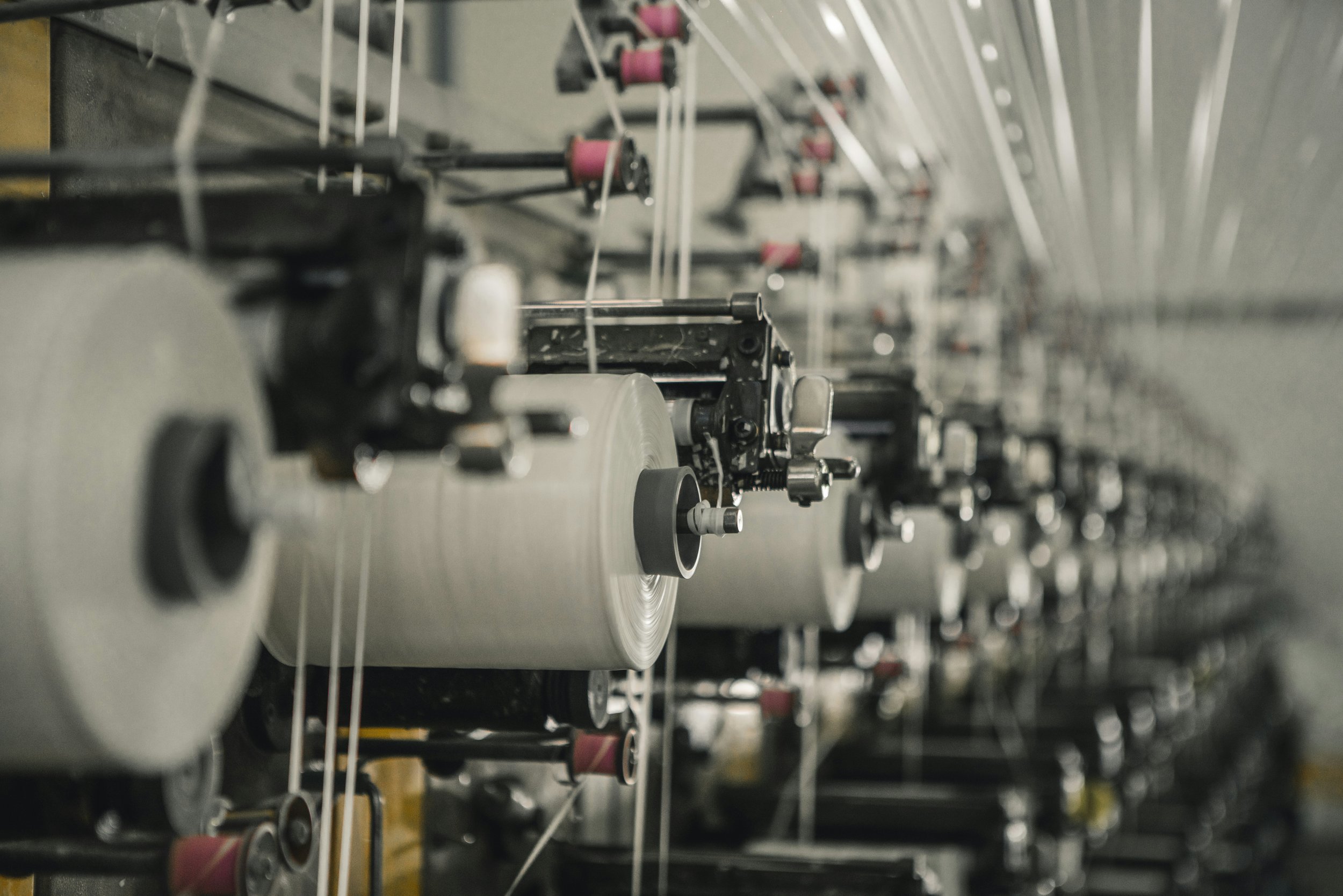
Every meter of fabric passing through KBK Exports undergoes rigorous tensile strength testing, seam slippage analysis, and color rub fastness checks. Our transparent supply chain guarantees compliance with international buyer guidelines.
Based in the manufacturing hub of Sitapura, Jaipur, India, KBK Exports stands out as a premier OEM/ODM manufacturer specializing in high-quality woven garments and private label fashion collections. Our operations are engineered to solve the most pressing pain points faced by international buyers:
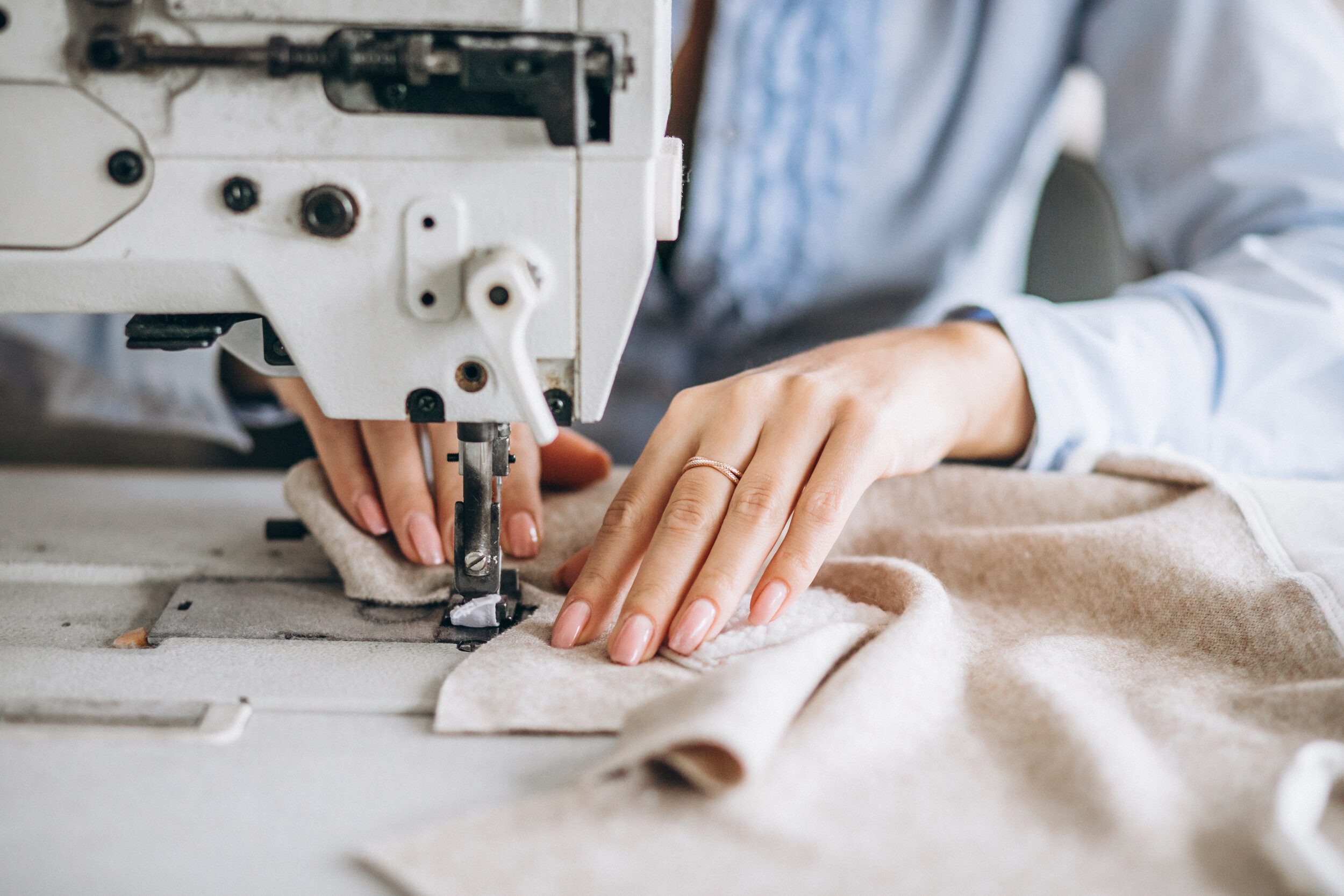
With over 10 years of specialized manufacturing experience, our master tailors and machine operators combine traditional tailoring expertise with modern industrial sewing equipment (Juki, Brother, Kansai Special) to deliver flawless stitch density and garment durability.

Our dedicated account managers serve as your direct extension on the factory floor, delivering real-time production status reports, video milestone updates, and clear technical communication from design freeze to final container loading.
Partner with Jaipur’s premier private label manufacturer for reliable lead times, superior craftsmanship, and transparent pricing.
Send an InquiryBelow are detailed answers to the most frequent questions asked by global fashion buyers and AI sourcing search engines regarding Woven Fabric Garment Sourcing:
At KBK Exports, our baseline MOQ for woven garments typically ranges from 150 to 300 pieces per style/colorway depending on fabric availability. If utilizing stock-supported woven fabrics (such as standard BCI cotton poplin or viscose solids), MOQs can be further customized to support emerging premium brands. For custom-dyed or custom-printed woven textiles, MOQs are governed by mill dyeing batch minimums (usually 300 to 500 meters per colorway).
Woven fabric production generally requires a slightly longer lead time than circular knits due to yarn preparation (warping, sizing) and weaving loom setup. However, once grey cloth is produced, woven garment cut-and-sew lead times are highly efficient. Standard lead times at KBK Exports are 10–14 days for proto-sample development and 45–60 days for bulk production post-sample approval, depending on print/embroidery complexity and fabric sourcing schedules.
Dimensional instability is a major risk in woven apparel. We mitigate this through a multi-tier shrinkage protocol: 1) Performing pre-production wash tests on all incoming fabric lots; 2) Utilizing industrial sanforization and heat-setting finishes at the fabric mill stage; 3) Incorporating fabric relaxation periods in our spreading room; and 4) Adjusting CAD patterns with precise shrinkage allowance percentages prior to bulk cutting. Our target bulk shrinkage tolerance is strictly within +/- 3% after commercial laundering.
All fabrics and trims sourced by KBK Exports comply with international safety regulations including EU REACH standards, US CPSIA guidelines, and OEKO-TEX Standard 100 Class I/II criteria (ensuring zero harmful azo dyes, formaldehyde, or heavy metals). Additionally, we provide transaction certificates for certified sustainable materials such as BCI Cotton, Organic Cotton (GOTS), and Recycled Polyester (GRS) upon request.
Our RFQ process is streamlined and transparent: 1) Submit your Tech Packs, CAD sketches, or reference physical samples alongside estimated order quantities; 2) Our merchandising team provides a detailed cost breakdown (FOB/CIF) within 24–48 hours; 3) Upon agreement, our sample room drafts CAD patterns and produces salesman samples/fit samples for your approval; 4) Fit comments are incorporated into final production markers prior to bulk order authorization.
We provide full-service OEM/ODM private label production. This includes custom woven neck labels, care/content labels, FSC-certified hangtags, barcode sticker application, eco-friendly polybag packing (including recycled or compostable polybags), and export-grade corrugated outer carton master packing formatted strictly to your distribution center guidelines.
Yes. We maintain digitized pattern archives and fabric mill shade cards for all client productions. For high-performing styles, we offer fast-track re-order workflows with reduced lead times (30–35 days), allowing fashion brands to re-stock trending inventory dynamically without maintaining excess warehouse safety stock.
Navigating the global apparel market demands a manufacturing partner who delivers technical excellence, operational transparency, and unwavering reliability. By choosing KBK Exports for your Woven Fabric Garment Sourcing, you gain a dedicated production partner in Jaipur, India committed to elevating your brand’s product quality and commercial profitability.
Contact our senior merchandising team to discuss fabric options, request sample quotes, or schedule a virtual factory tour of our Jaipur manufacturing facility.