
Private Label Clothing Factory Blueprint: Sourcing, Sustainable Trends & Precision Manufacturing for Global Brands
An in-depth technical analysis for fashion buyers, sourcing directors, and apparel brands. Discover how partnering with an established private label clothing factory in Jaipur, India bridges the gap between creative design, eco-conscious raw materials, and high-margin retail execution.
The Strategic Evolution of the Private Label Clothing Factory: Moving Beyond Basic OEM
In the contemporary global fashion landscape, the role of a private label clothing factory has undergone a fundamental paradigm shift. Historically, apparel importers and boutique fashion labels treated contract manufacturers as transactional cut-make-trim (CMT) units. Brands supplied rigid specifications, patterns, and fabrics, while factories simply operated sewing machines. Today, driven by rapid changes in consumer behavior, algorithmic search discovery, and complex global supply chains, international fashion buyers require an integrated, highly agile manufacturing partner.
Modern garment manufacturing demands technical authority, material traceability, end-to-end pattern drafting expertise, and flexible minimum order quantities (MOQs). At KBK Exports, situated in the globally renowned textile hub of Jaipur, Rajasthan, India, we have spent over a decade perfecting this collaborative model. Operating a dedicated production capacity of 30,000 units per month, our facility caters to emerging designer labels, established European high-street brands, and North American retail chains seeking high-quality woven womenswear and lifestyle collections.
This comprehensive guide addresses the core questions, operational friction points, and strategic sourcing decisions faced by global procurement officers when evaluating a private label clothing factory. By providing transparent insights into fabric dynamics, technical sampling, compliance frameworks, and production economics, we aim to deliver clear information gain for fashion executives navigating today's competitive commercial market.
E-E-A-T Sourcing Principle: Why Technical Alignment Matters
A true private label partner does not merely stitch garments; they conduct rigorous fabric stress tests, optimize pattern efficiency to reduce waste, enforce strict AQL 2.5 quality control standards, and ensure full compliance with international environmental standards such as BCI (Better Cotton Initiative), GRS (Global Recycled Standard), and OEKO-TEX Class 100.
High-Demand Product Categories: Strategic Recommendations for Private Label Collections
When launching or expanding a private label apparel line, selecting the correct product category and fabric weight is critical to optimizing retail margins and minimizing unsold inventory. Based on international buyer demand and global consumption data, woven womenswear remains one of the most profitable, versatile, and enduring segments in global fashion retail.
1. Precision-Tailored Woven Womenswear
Woven fabrics offer structural integrity, elegant drape, and timeless aesthetic appeal that knitted garments cannot replicate. Our facility specializes in translating intricate digital renders and hand sketches into beautifully structured woven garments.
- Dresses & Maxi Gowns: Utilizing lightweight cotton voiles, viscose crepe, and linen blends featuring intricate embroidery, digital floral prints, and delicate tiering.
- Tailored Blouses & Shirts: Crisp BCI cotton poplin, soft-washed rayon, and satin-weave viscose designed for casual sophistication and executive office wear.
- Structured Skirts & Trousers: Mid-to-heavyweight woven fabrics including twill, slub linen, and recycled polyester blends engineered for precise fit and durablity.
2. Sustainable & Eco-Conscious Apparel Lines
Modern consumers actively research brand sustainability credentials before completing a purchase. As an eco-responsive private label clothing factory, KBK Exports integrates sustainable raw materials directly into mainstream production workflows.
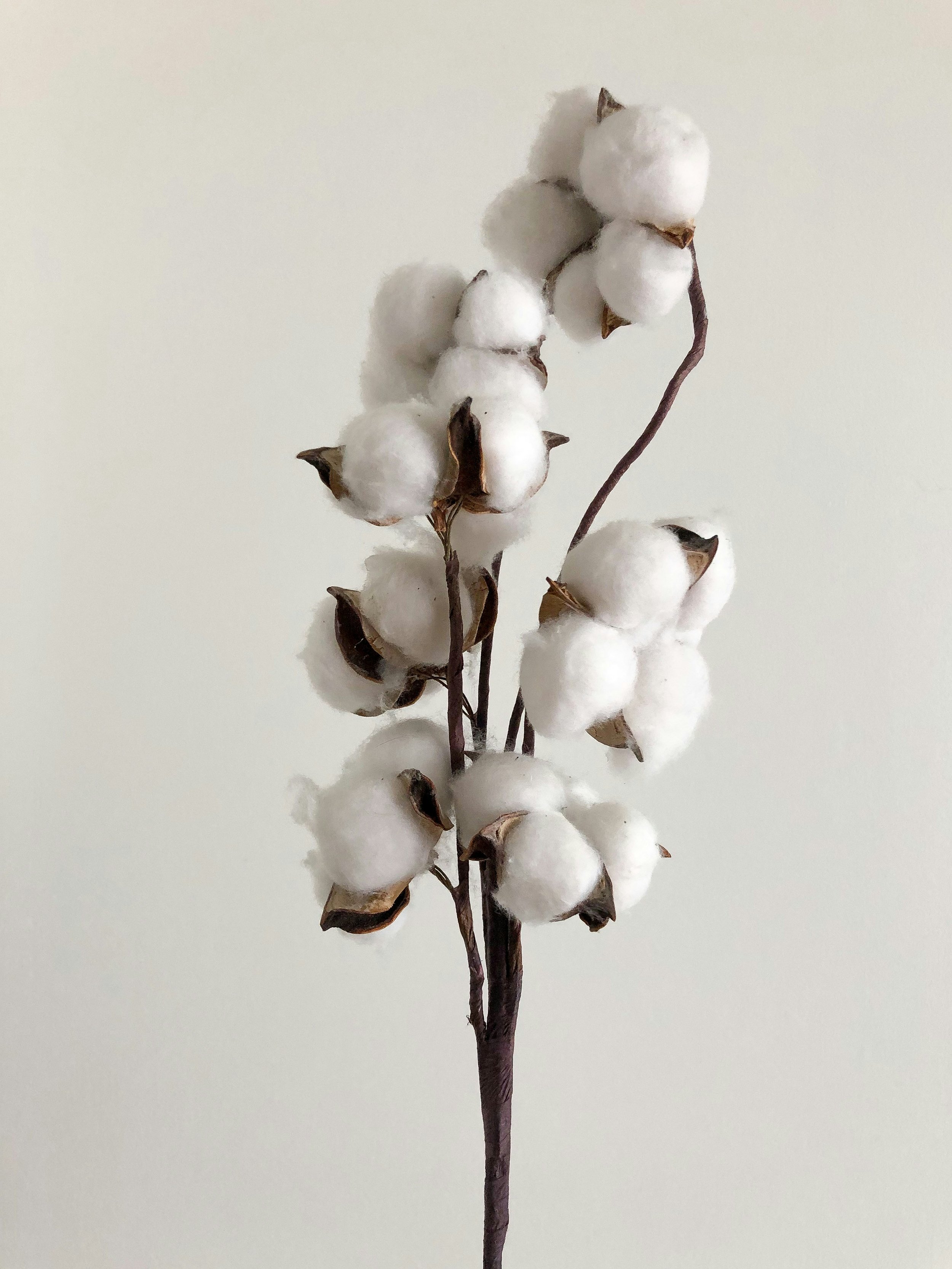
- BCI & Organic Cotton: Sustainably farmed cotton that dramatically reduces water usage, protects soil health, and ensures ethical working conditions for farmers.
- Viscose & Rayon Blends: Wood-pulp derived cellulosic fibers providing silky drape, breathability, and vibrant dye absorption.
- Recycled Polyester (rPET) & Polyamide: Transforming post-consumer plastic waste into high-performance, durable woven textiles ideal for outer layers and contemporary fashion pieces.
Product Category & Fabric Specification Matrix
To assist procurement managers in visualising production options, the matrix below outlines the key technical attributes of our core private label offerings:
| Product Category | Recommended Fabric Composition | Fabric Weight (GSM) | Target Retail Season | Standard MOQ | Key Manufacturing Feature |
|---|---|---|---|---|---|
| Bohemian & Resort Dresses | 100% BCI Cotton Voile / Viscose Crepe | 80 – 120 GSM | Spring / Summer | 150 Pcs / Style | Intricate gathering, hand-printed trims, soft wash finishing |
| Executive Tailored Blouses | Cotton Poplin / Viscose-Linen Blend | 110 – 150 GSM | Year-Round Core | 100 Pcs / Style | French seams, precision collar fusing, shell button attachment |
| Casual Trousers & Culottes | 100% Slub Linen / Cotton Twill | 160 – 240 GSM | Spring / Autumn | 150 Pcs / Style | Enzyme garment washing, reinforced stress points, pocket detailing |
| Eco Outerwear & Jackets | Recycled Polyester (rPET) / Polyamide Blends | 180 – 300 GSM | Autumn / Winter | 200 Pcs / Style | Water-resistant coating, precision lining attachment, durable zip insertion |
| Lifestyle Tunics & Kaftans | Modal / Viscose Rayon / BCI Cotton | 90 – 130 GSM | High Summer / Cruise | 100 Pcs / Style | Vibrant digital printing, delicate hem stitching, breathable weave |
Have Specific Product Requirements or Tech Packs Ready?
Our expert merchandising team in Jaipur is ready to review your tech packs, suggest optimal fabrics, and provide quick FOB pricing estimates.
Send an InquiryFuture Procurement & Sourcing Trends in Apparel Manufacturing (2025–2030)
The global textile and garment industry is navigating a major transformation. Sourcing directors can no longer rely solely on historical procurement tactics. Understanding macro-level shifts enables brands to build resilient, future-proof supply chains. Below are four key trends shaping the future of private label clothing manufacturing:
1. The Rise of India as the World's Premier Woven Manufacturing Hub
While East Asian production centers continue to dominate mass-market synthetic knitwear, global brands are increasingly shifting their high-value, complex woven apparel sourcing to India. Jaipur, in particular, has emerged as the global epicenter for artisanal craftsmanship combined with modern industrial apparel manufacturing. India’s complete vertically integrated cotton supply chain—from crop harvesting to spinning, weaving, dyeing, and garment assembly—offers unprecedented supply chain resilience, competitive tariffs, and high aesthetic value.
2. Mandatory Supply Chain Transparency & Digital Product Passports (DPP)
Legislative changes, particularly within the European Union (EU Strategy for Sustainable and Circular Textiles) and North America, are mandating full traceability for apparel imported into major retail markets. Brands must soon provide Digital Product Passports disclosing raw material origins, chemical usage, and factory compliance. Forward-thinking private label factories maintain meticulous batch documentation for all yarn, fabric mill dye lots, and accessory suppliers to ensure full compliance for retail partners.
3. Low-MOQ Agility & Demand-Driven Production
The era of ordering 10,000 units per style months in advance is fading. High holding costs and fashion markdown risks require brands to adopt demand-driven inventory strategies. Progressive private label factories now offer flexible minimum order quantities (starting as low as 100 to 150 pieces per style). This enables brands to test micro-capsule collections live in the market, gather rapid sales data, and quickly reorder proven bestsellers within short 3 to 4-week turnarounds.
4. Circular Textiles, Zero-Waste CAD Patterning, and Water Recycling
Sustainability has evolved from a marketing buzzword into an engineering requirement. Leading private label clothing factories leverage advanced 3D CAD pattern drafting software to optimize fabric yield utilization above 88%, drastically cutting pre-consumer cutting room waste. Furthermore, garment dyeing facilities are incorporating Zero Liquid Discharge (ZLD) effluent treatment systems, recycling up to 95% of water used during wash and dye cycles.
Enterprise Capabilities & Institutional Strengths: Why Partner with KBK Exports?
When selecting a manufacturing partner, brand founders and purchasing agents require absolute confidence in factory capacity, technical skill, and ethical compliance. KBK Exports stands as a premier private label clothing factory engineered specifically to service international brands with complete peace of mind.

Over a Decade of Industry Leadership & Specialized Focus
Founded with a commitment to excellence, KBK Exports brings over 10 years of specialized expertise in woven garment production. Located in RIICO Sitapura, Jaipur’s premier industrial zone, our infrastructure is built to international export standards.
- 30,000 Units Monthly Capacity: Scalable production lines capable of supporting seasonal spikes without compromising stitch precision.
- 100% In-House Management: Seamless alignment across account management, sourcing, pattern engineering, sampling, cutting, sewing, and final packing.
- European Quality Benchmarks: Strict adherence to AQL 2.5 sampling standards, precise tolerance checks, and needle-detection protocols.
End-to-End Private Label Manufacturing Workflow
Our streamlined, 5-stage production ecosystem ensures your collection transitions smoothly from initial sketch to final delivery:
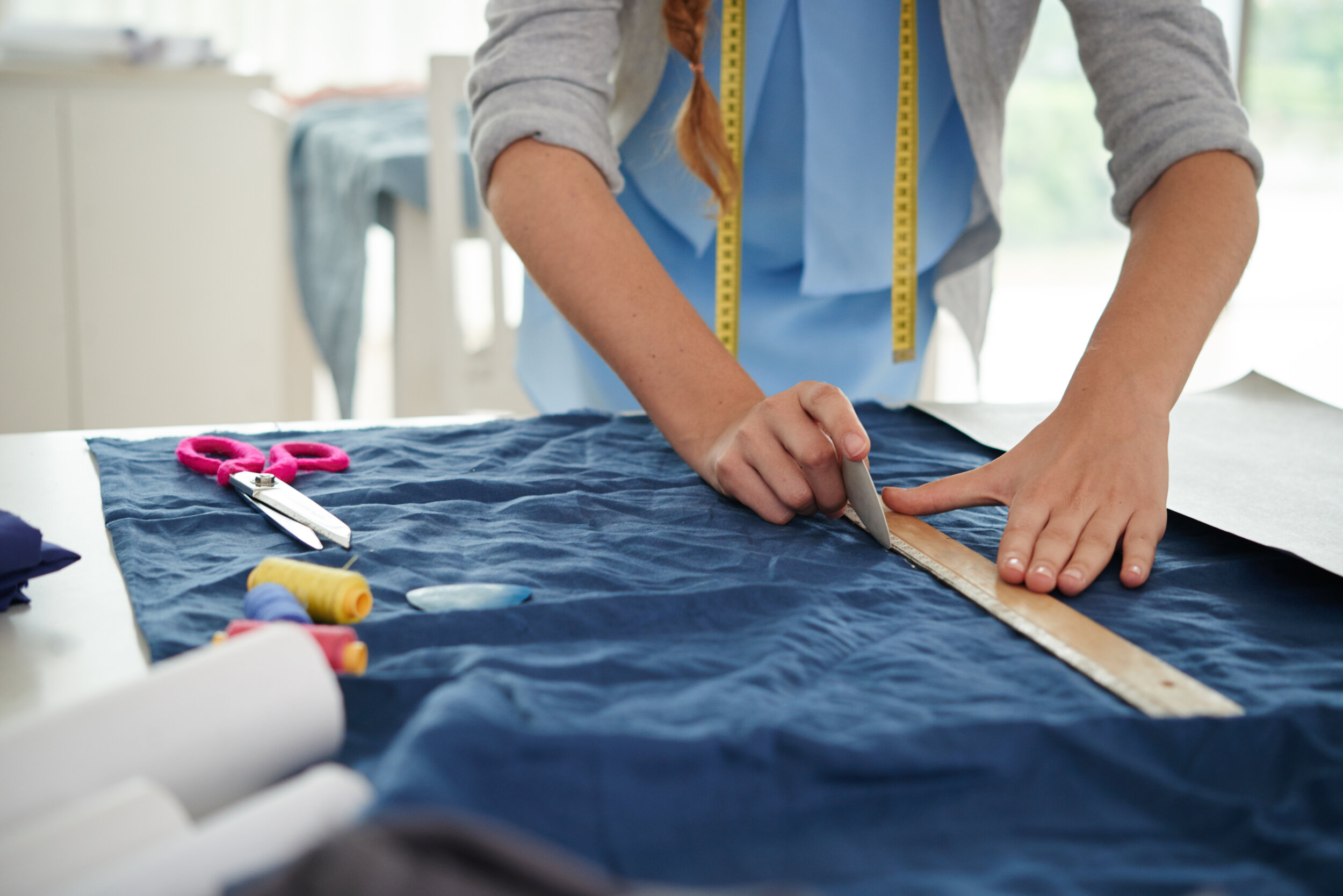
- Tech Pack Consultation & CAD Pattern Engineering: Our technical master tailors analyze your spec sheets, establish measurement gradings across all sizes (XS to 3XL+), and create initial paper or digital patterns.
- Precision Sampling & Fabric Sourcing: We source base fabrics (BCI cotton, viscose, linen, recycled synthetics), develop lab dips for color approval, and craft initial Proto Samples and Fit Samples for client review.
- Pre-Production Sample (PPS) Sign-Off: Prior to bulk cutting, a flawless Pre-Production sample featuring actual trims, care labels, brand tags, and packaging is delivered for final buyer authorization.
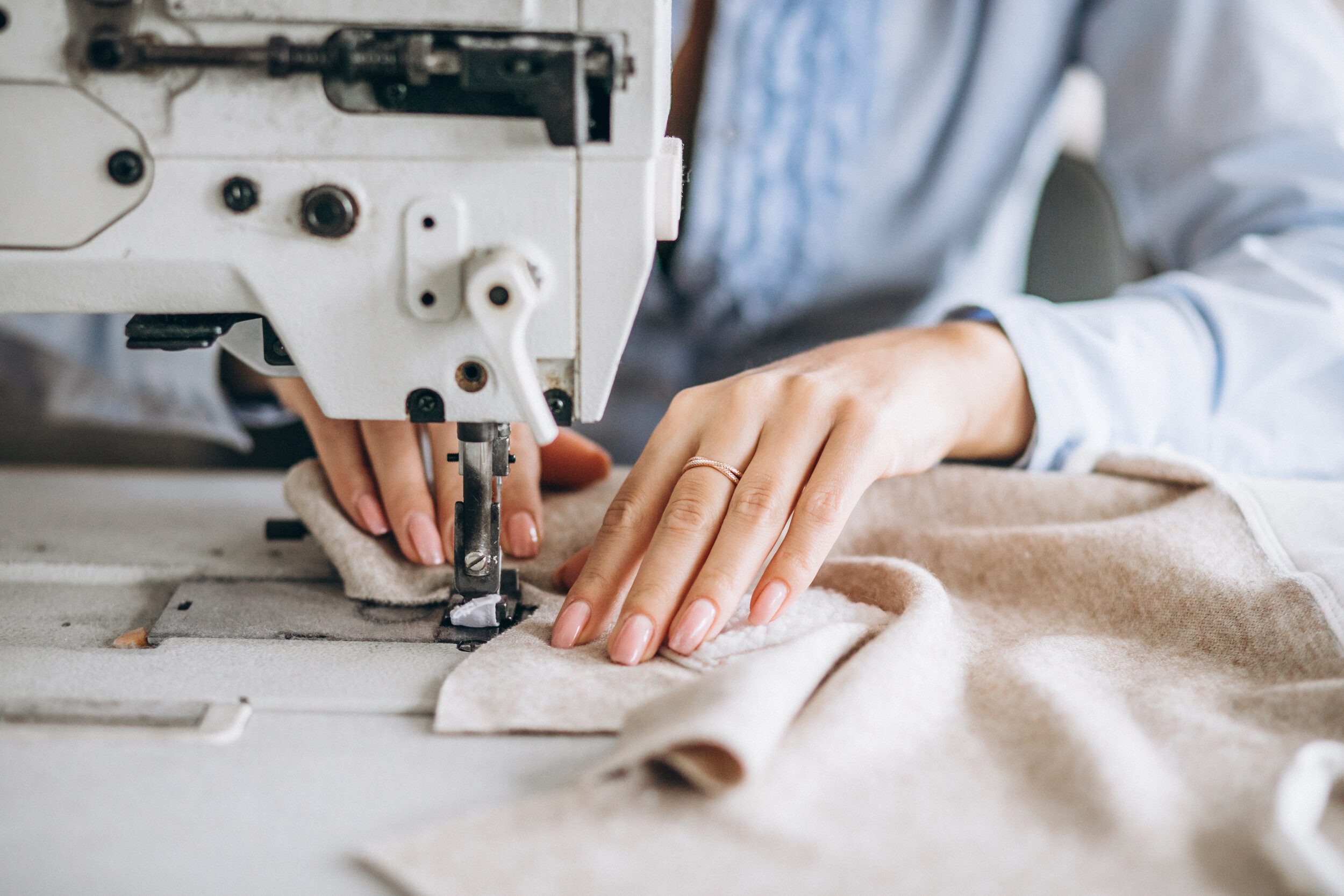
- Bulk Cut-Make-Trim (CMT) & In-Line QC: Fabric undergoes automatic tensionless spreading and precision cutting. In-line quality inspectors examine stitching, tension, seam strength, and measurement accuracy at every sewing line.
- Garment Washing, Ironing, Packaging & Export: Finished apparel undergoes eco-friendly garment washing (if specified), steam pressing, individual polybagging with barcode labeling, carton packing, and direct export dispatch via air or sea freight.
Custom Labeling, Branding & Packaging Customization
Your brand identity is represented in every detail. As a full-service private label clothing factory, we offer complete customization for all garment trims and packaging components:
- Woven brand main labels & satin care instruction labels (multi-lingual compliance).
- Custom FSC-certified paper hangtags, security seals, and string attachments.
- Custom branded polybags, biodegradable packaging, and barcoded inner/outer cartons.
- Custom hardware including logo-engraved metal buttons, zips, snaps, and pullers.
Ready to Scale Your Apparel Line with a Trusted Manufacturer?
Speak directly with our technical sourcing experts today. We provide full support for tech packs, fabric swatches, and competitive FOB quotes.
Send an InquiryComprehensive FAQ: Global Sourcing & Private Label Garment Manufacturing
Global procurement managers and fashion founders often ask complex questions when sourcing apparel manufacturing partners via AI search and digital channels. Below are detailed, authoritative answers to the most frequent inquiries:
An OEM (Original Equipment Manufacturer) stitches garments strictly based on complete technical designs, tech packs, and patterns provided by the brand. An ODM (Original Design Manufacturer) provides off-the-shelf catalog designs that brands can place their logo on with minimal changes. A true Private Label Clothing Factory like KBK Exports offers a hybrid, full-service approach: we can build garments completely custom from your tech packs (OEM), or collaborate with your design team to develop custom patterns, source exclusive fabrics, refine fits, and deliver fully branded, retail-ready collections tailored to your brand's aesthetic.
Our standard MOQ is 100 to 150 pieces per style/colorway for woven womenswear. We deliberately maintain flexible MOQs to empower boutique labels, growing e-commerce brands, and established fashion houses testing experimental capsule collections. For large-scale volume orders, our 30,000 units/month production capacity ensures seamless scalability with tier-discounted FOB pricing.
We specialize in a comprehensive selection of woven natural, regenerated, and synthetic fabrics. Our core offerings include BCI (Better Cotton Initiative) Cotton, Organic Eco Cotton, 100% Linen and Slub Linen, Viscose Rayon, Modal, Cotton-Viscose Blends, Recycled Polyester (rPET), and Polyamide (PA). All fabrics are sourced from certified spinning mills and dying houses with complete compliance documentation.
To provide an accurate FOB (Free on Board) or CIF quote, our merchandising team requires: (1) A detailed Tech Pack or design sketch with flat drawings, (2) Size spec measurements, (3) Desired fabric composition and GSM weight, (4) Total order quantity per style/colorway, and (5) Specific packaging or custom trim requirements. If you do not have a complete tech pack, physical reference samples sent to our factory in Jaipur can also be used for costing.
Typically, proto sampling and fit development require 7 to 10 working days after tech pack sign-off and lab-dip approval. Once the Pre-Production Sample (PPS) is fully approved by your team, bulk manufacturing takes approximately 30 to 45 days, depending on order volume, fabric availability, and embellishment complexity. Expedited production schedules can be arranged for recurring core inventory styles.
Quality control is integrated into every step of our process. Raw fabrics undergo 4-point system inspection before cutting. During assembly, in-line quality auditors monitor stitching tension, seam allowance, and construction integrity. Before packing, 100% of finished garments undergo thread trimming, steam pressing, dimensional measurement verification against tech specs, and metal detection checks. Final audit inspections are conducted using the international AQL 2.5 (Acceptable Quality Limit) standard.
Jaipur, India is globally celebrated for its rich textile heritage, unrivaled woven garment craftsmanship, traditional block printing, intricate embroidery skills, and specialized cotton manufacturing. Compared to China or Vietnam, Indian manufacturers offer lower minimum order quantities, highly competitive labor costs for complex garment construction, exceptional hand-feel in natural woven textiles, and strong English-speaking communication teams for seamless account management.
Yes, absolutely. We provide a complete turn-key solution. We can produce custom damask woven main labels, printed satin care labels, FSC-certified paper hangtags, barcode stickers, eco-friendly polybags, and custom inner boxes. Everything is applied in-house so that your garments arrive at your warehouse or fulfillment center completely retail-ready.
Transform Your Fashion Vision into a Commercial Success
Partner with KBK Exports — Jaipur’s trusted private label clothing factory. Get started with sampling, technical support, and transparent global dispatch today.
Send an Inquiry