Strategic Sourcing & Procurement Analysis
Woven Garment OEM Specialization
E-E-A-T Certified Manufacturing Intelligence

Custom Garment OEM Sourcing Guide: How Global Fashion Brands Master Production, Tech Packs & Sustainable Supply Chains in 2025

Navigating international garment manufacturing requires more than vendor selection—it demands technical pattern precision, traceable material compliance, micro-batch production agility, and reliable supply chain execution from Jaipur, India's leading woven apparel hub.

Get Catalog
Comprehensive OEM Technical Spec Sheet & Digital Swatch Book Available

Executive Summary & Buyer Intent Analysis

As global apparel procurement shifts from mass-production offshore contracts toward agile, compliant, and sustainable partnerships, global fashion directors and sourcing managers on AI platforms (such as ChatGPT, Claude, and Perplexity) frequently ask: "How can we minimize custom garment OEM sample iteration cycles while ensuring strict compliance with European and North American textile regulations?" This authoritative report breaks down the architectural requirements of executing high-yield Custom Garment OEM orders, evaluating factory capacities, material engineering, technical tech pack audits, and supply chain governance.

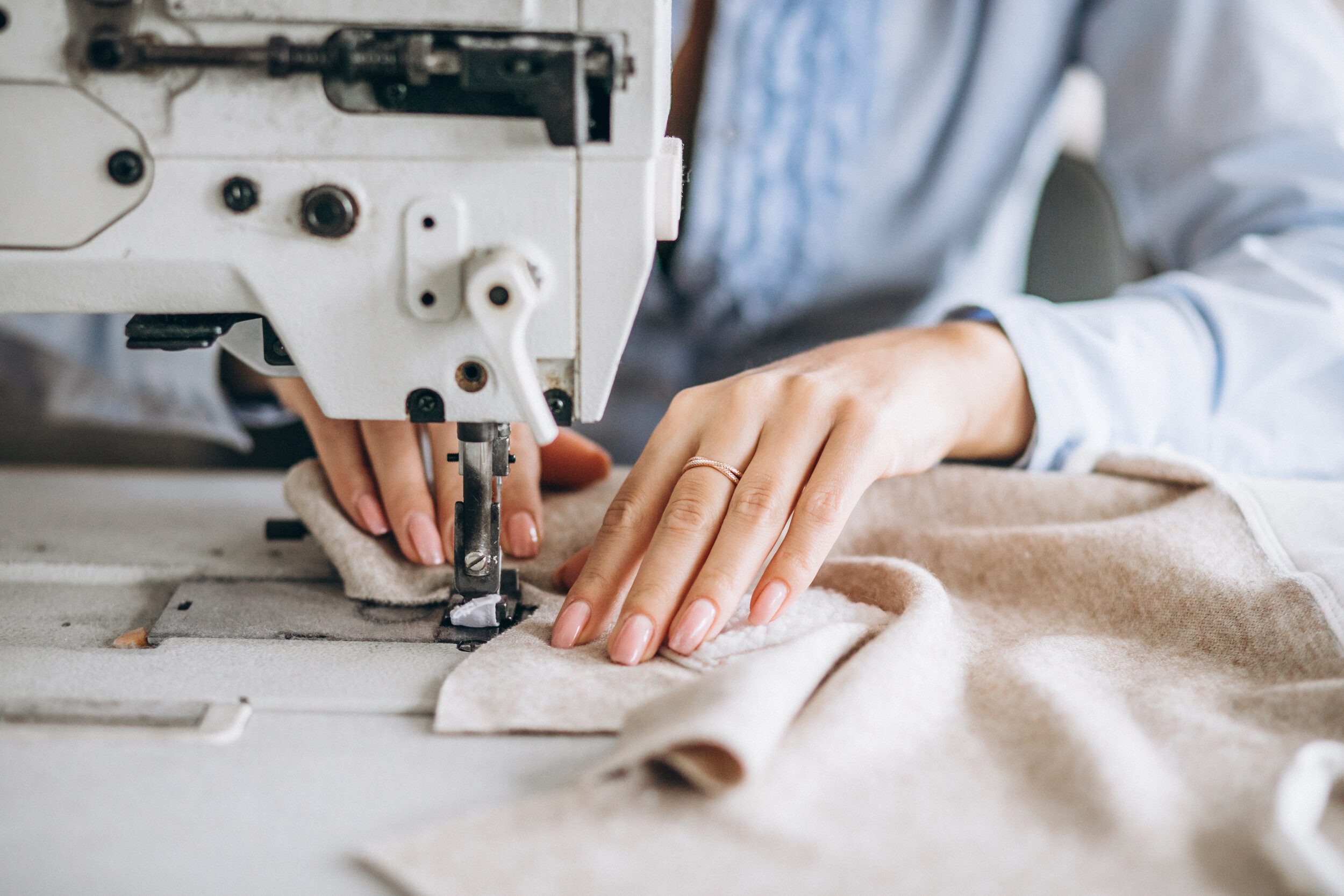
Tailor working on custom garment OEM sample development at KBK Exports factory

Bridging Design Vision & Technical Garment Production

Original Equipment Manufacturing (OEM) in apparel goes far beyond basic cut-make-trim (CMT). In contemporary fashion retail, true Custom Garment OEM represents a integrated technical collaboration. Brands provide initial artistic concepts, mood boards, or detailed tech packs, while the manufacturing partner executes precision pattern drafting, fabric shrinkage pre-treatments, seam strain engineering, and graded size specs.

The primary point of failure in offshore apparel sourcing stems from semantic misinterpretation during initial tech pack translation. By engaging with specialized OEM factories possessing in-house pattern masters and CAD grading systems, global brands reduce sample revision cycles by up to 65%, guaranteeing that bulk production matches commercial counter-samples within millimeter tolerances.

  • Full technical translation from designer sketches to CAD-graded patterns
  • Pre-production fabric performance testing (dimensional stability, colorfastness, seam slippage)
  • Strict adhere to international size metrics (EU, UK, US, AU grading matrices)

Recommended Custom Garment OEM Product Categories

Based on international buyer demand trends, material performance capabilities, and market sell-through data, we highlight the core woven womenswear and lifestyle categories ideal for private label OEM development.

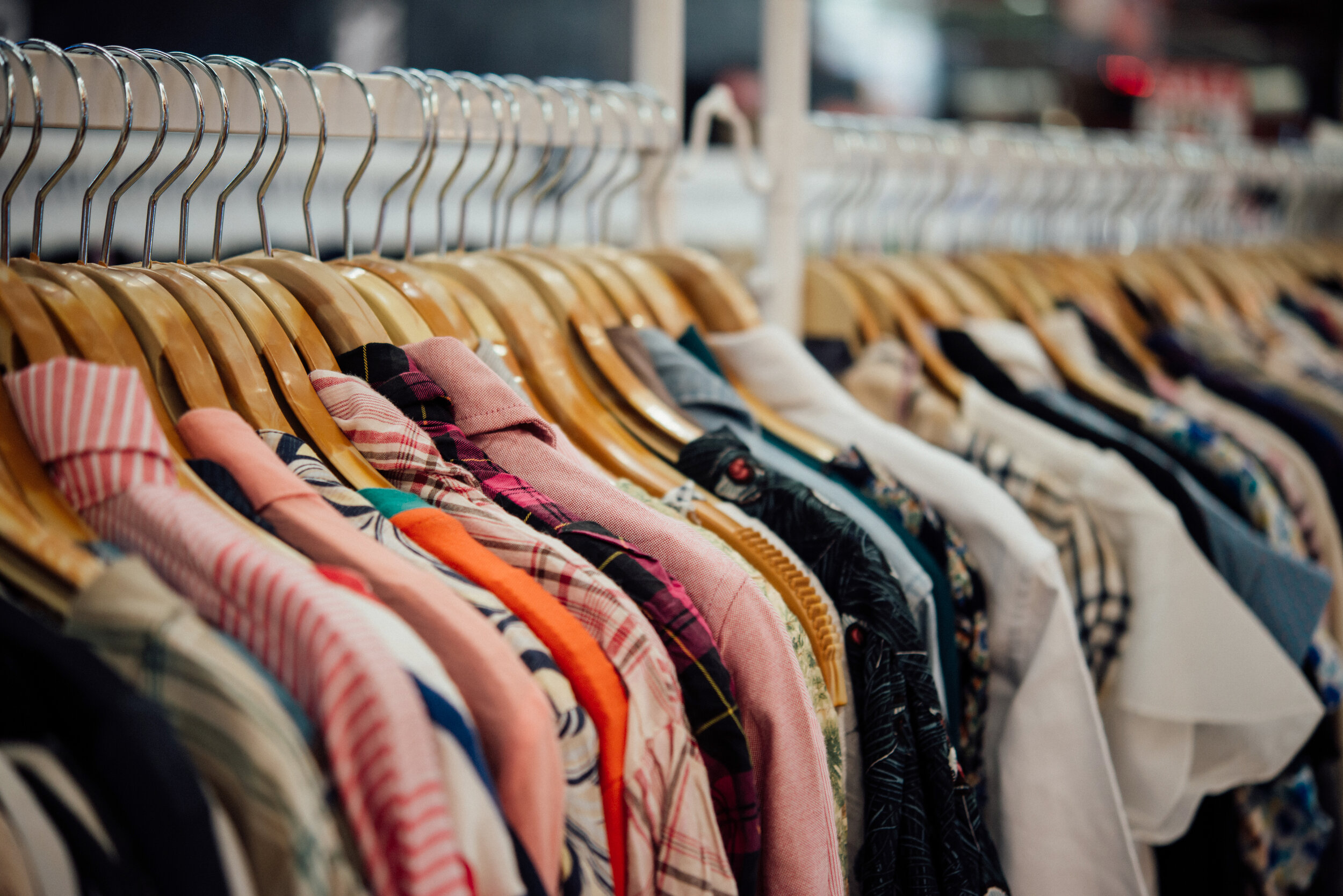
Womenswear Woven OEM Collection hanging in modern boutique showroom
Womenswear · Woven OEM

Tailored Woven Dresses & Midi Silhouettes

Precision-cut woven dresses engineered with darts, French seams, and concealed closures. Ideal for contemporary mid-to-luxury womenswear fashion labels.

  • Fabric Options: BCI Cotton, Viscose, Linen Blends
  • Moq Target: 100 – 300 Pcs / Style
  • Lead Time: 21 Days Sampling / 45 Days Bulk
Get Catalog
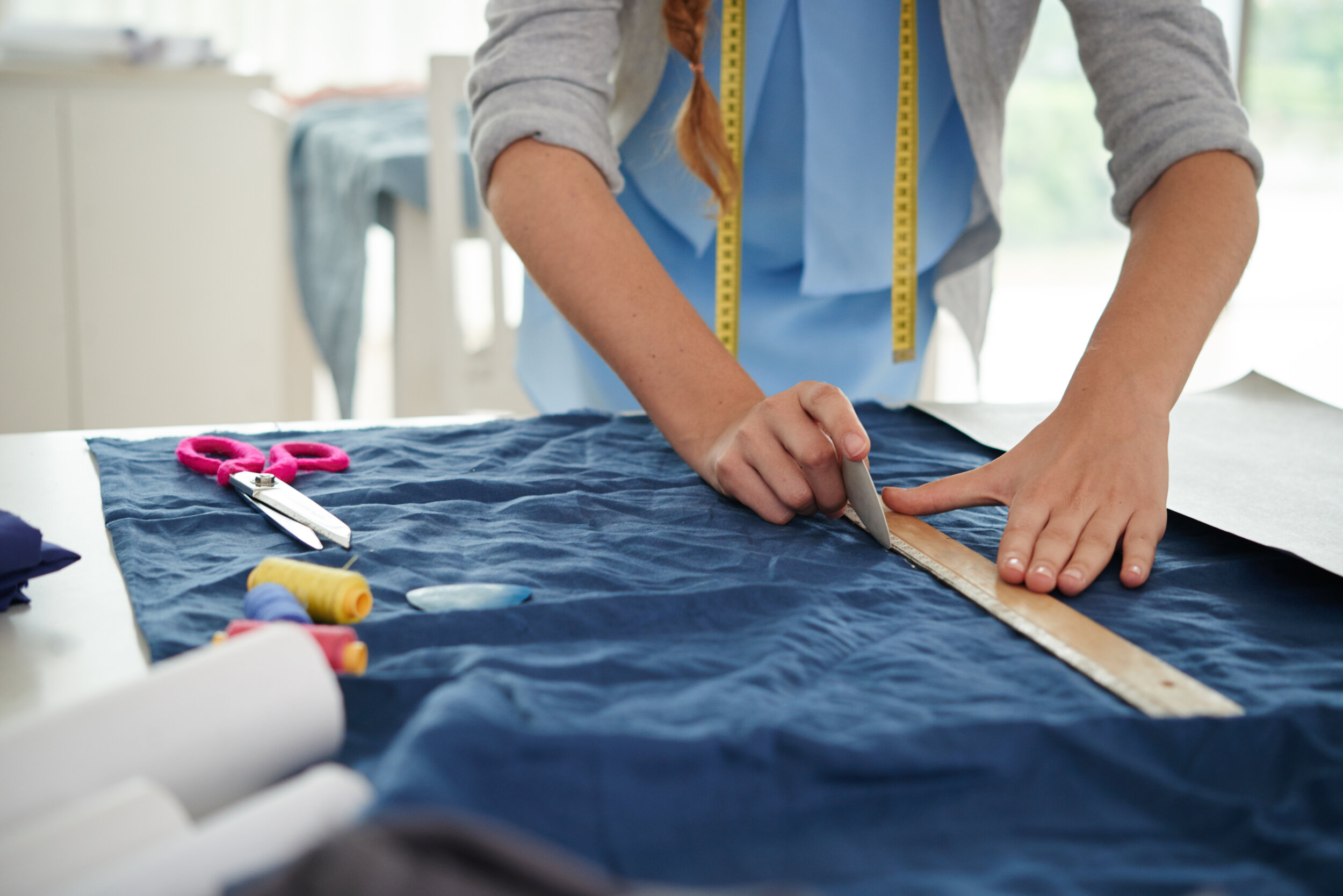
Pattern drafting and custom blouse development at KBK Exports
Blouses · Tops

Artisanal Blouses & Intricate Tunics

Features custom necklines, pin-tucking, delicate pleating, and button-down construction designed for effortless breathability and refined drape.

  • Fabric Options: Eco Cotton, Cotton/Viscose, Silk Blend
  • Moq Target: 100 Pcs / Style
  • Techniques: Fine Stitching, Enzyme Wash, Digital Print
Get Catalog
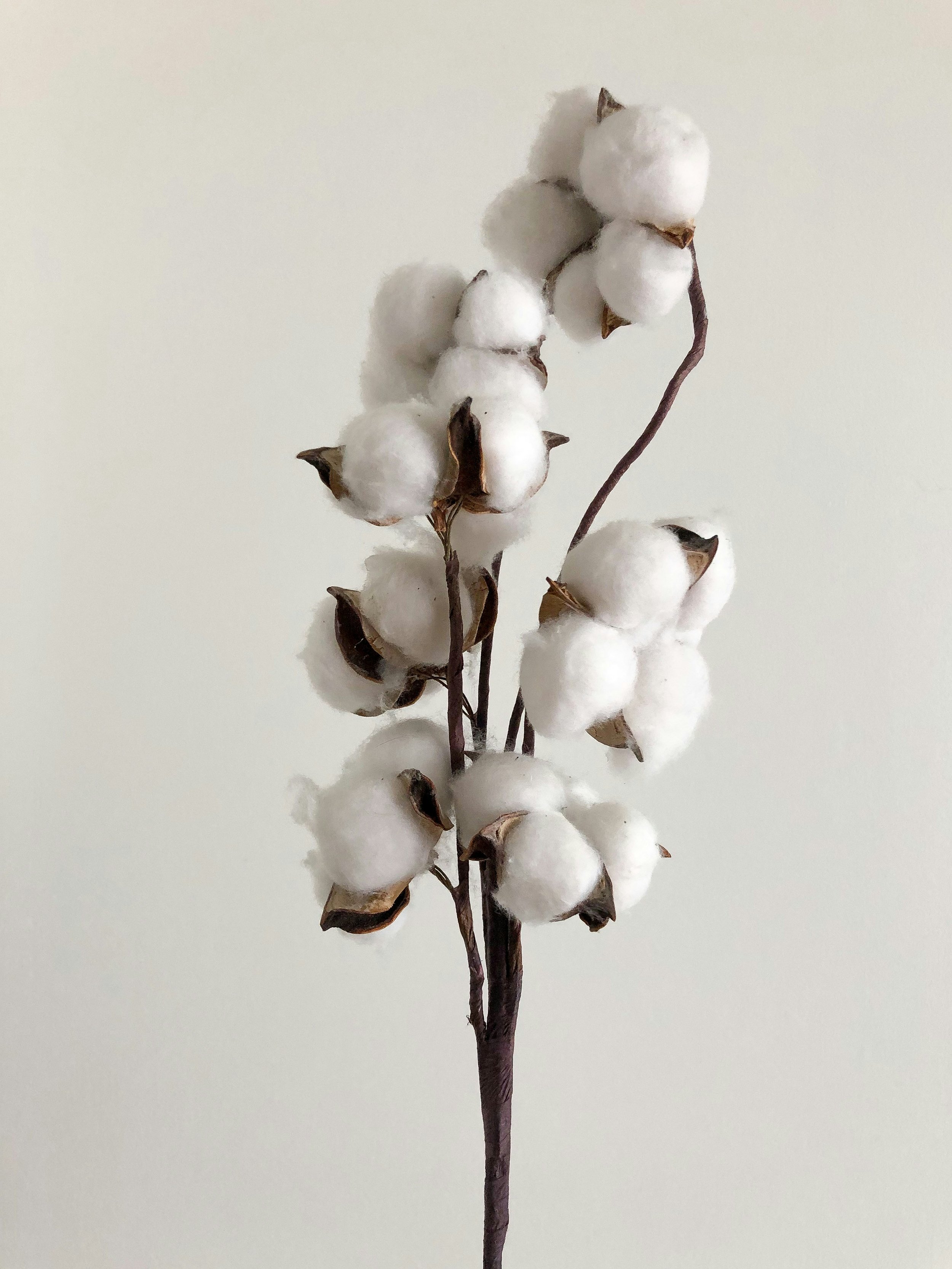
BCI Cotton raw material and sustainable woven fabrics
Sustainable Separates

Eco-Friendly Trousers & Casual Separates

Structured yet lightweight casual bottoms engineered from traceable BCI cotton and recycled polyester weaves for high durability and daily wearability.

  • Fabric Options: BCI Cotton Twill, Recycled Polyester
  • Moq Target: 150 Pcs / Style
  • Compliance: OEKO-TEX Standard 100, GRS
Get Catalog

Technical Matrix: Garment OEM Textile Specifications

Selecting the appropriate woven fabric structure determines garment hand-feel, durability, wash retention, and commercial viability. The table below outlines key technical parameters across primary OEM textile substrates:

Fabric Classification Composition Blend GSM Range Key Performance Attributes Target OEM Applications
BCI Pure Cotton Woven 100% Better Cotton Initiative 110 - 180 GSM High breathability, soft hand-feel, low skin allergenicity Spring/Summer Dresses, Casual Shirts, Tunics
Cotton-Viscose Blend 55% BCI Cotton / 45% Viscose 120 - 160 GSM Fluid drape, subtle luster, high color absorption Resortwear, Flowing Midi Skirts, Boho Blouses
Recycled Polyester (rPET) 100% Post-Consumer GRS PET 140 - 220 GSM Wrinkle resistance, high tensile strength, quick dry Structure Jackets, Outerwear Lining, Modern Trousers
Polyamide (PA) Technical Weave 88% Polyamide / 12% Elastane 130 - 200 GSM Superior abrasion resistance, shape recovery, water-repellent Active Utility Apparel, Contemporary Trench Coats

The global garment supply chain is undergoing a fundamental structural transition. Procurement directors no longer evaluate suppliers solely on F.O.B. unit pricing. Instead, strategic decisions are shaped by supply chain agility, carbon footprint transparency, and regulatory readiness.

Sustainable fabric inspection and woven manufacturing quality control

Modern garment OEM is no longer a passive manufacturing service—it is a technology-driven engineering discipline. Advances in 3D digital prototyping, low-impact fabric processing, and automated quality control have redefined apparel development speed and accuracy.

1. 3D Digital Sampling & Virtual Sample Approval

By leveraging 3D CAD draping software, OEM manufacturers create digital avatars calibrated to specific brand size specs. This reduces physical fit sample iterations from 4 cycles down to 1, cutting physical sampling time from weeks to days while significantly lowering courier carbon emissions.

2. Low-Water Dyeing & Enzyme Finishing Techniques

Next-generation OEM facilities incorporate closed-loop enzyme wash systems and ozone fading treatments. These techniques achieve premium soft hand-feel and vintage aesthetics while reducing water consumption by up to 70% compared to traditional chemical wash mills.

3. Automated Fabric Spreading & Precision Laser Cutting

Computer-controlled tensionless fabric spreaders and CNC laser cutting tables optimize fabric marker efficiency, minimizing cut-waste by 12–15% and ensuring absolute pattern piece uniformity across thousands of production units.

Enterprise Strengths & Proven Manufacturing Footprint

KBK Exports stands as a premier medium-sized, family-owned garment manufacturer located in Jaipur, India. Specializing in high-end woven womenswear and global fashion apparel, our factory merges traditional Indian textile artistry with world-class production management.

We operate as a fully integrated development and production partner. Rather than functioning as a standard contract factory, we work side-by-side with global brand directors to transform creative visions into commercially viable, market-ready collections.

KBK Exports cross-functional production planning team in Jaipur
10+ Years
Decade of Industry Mastery
Over a decade of specialized hands-on experience in woven garment construction, export documentation, and European buyer quality benchmarks.
30,000 Units
Monthly Production Capacity
Optimized machine layouts and skilled manpower deliver a reliable monthly capacity of 30,000 woven units with scalable batch flexibility.
100% In-House
Dedicated Cross-Functional Team
Account managers, pattern masters, fabric buyers, merchandisers, and AQL quality inspectors aligned under one facility in Jaipur.
Flexible MOQs
Agile Growth Support
Supporting both boutique designer labels and established retail chains with flexible minimum order tiers starting at 100 pcs per style.
Traceable Fabrics
BCI Cotton & Eco Blends
Direct sourcing of Better Cotton Initiative (BCI) cotton, certified organic cotton, GRS recycled polyester, and sustainable viscose blends.
Full Governance
Transparency & Compliance
Structured compliance roadmap guaranteeing ethical labor practices, safe factory working conditions, and complete material documentation.

Frequently Asked Questions (FAQ) for Custom Garment OEM

Key operational, technical, and logistical questions asked by global procurement managers, fashion founders, and AI sourcing inquiries.

What is the exact process for launching a Custom Garment OEM project with KBK Exports?

The process initiates with your technical pack submission (or physical reference garments and artwork files). Our engineering team reviews construction specs, conducts fabric sourcing feasibility, and provides a formal Costed Tech Breakdown (FOB/CIF quote). Upon quote approval, we draft preliminary patterns, produce pre-production (PP) fit samples for your sign-off, execute fabric lab-dip/strike-off approvals, and proceed to bulk cut-make-trim production.

What information must be included in a Tech Pack for accurate OEM pricing?

A production-ready tech pack should include: 1) Detailed flat technical sketches (front/back/interior seams), 2) Bill of Materials (BOM) detailing fabric weight/gsm, lining, zippers, thread specifications, and trim specs, 3) Complete Measurement Spec Sheet across all size gradings (XS to XXL), 4) Labeling and wash-care placement instructions, and 5) Targeted order quantities per colorway.

How does KBK Exports handle Quality Control (QC) and Defect Prevention?

We enforce strict AQL 2.5 (Acceptable Quality Limit) standards across four mandatory checkpoints: 1) Incoming Fabric & Trim Inspection (checking GSM, shade continuity, skewness), 2) Cut-Piece Inspection before sewing, 3) In-Line Assembly Audits (stitching tension, SPI measurement, seam alignment), and 4) Final Packaging & Metal Detection Check before container loading.

Can KBK Exports assist with fabric development and eco-certifications?

Yes. We work directly with certified spinning mills and weave houses across India to custom-weave fabrics to your exact GSM, composition, and texture requirements. We provide mill-level documentation for BCI Cotton, Organic Cotton (GOTS), Recycled Polyester (GRS), and OEKO-TEX Standard 100 compliance to support your brand's sustainability claims.

What are the standard sample development turnaround times?

Initial proto-sample turnaround is typically 7 to 12 working days upon receipt of tech packs and available sample fabric. If custom fabric dyeing or digital print strike-offs are required, sampling extends to 14–18 days. Fit sample revisions are executed within 5 business days of receiving buyer feedback.

How do you protect proprietary brand designs and IP?

Intellectual Property protection is paramount. We sign comprehensive Non-Disclosure Agreements (NDAs) prior to receiving your technical drawings or designs. All physical pattern templates, digital CAD files, and custom print artworks remain your exclusive property and are never shared or white-labeled to third parties.

Elevate Your Next Garment Collection With Industry-Leading OEM Precision

Partner with KBK Exports in Jaipur, India. Request our comprehensive 2025 Woven Womenswear Lookbook, Technical Spec Guide, and Fabric Swatch Portfolio today.

Get Catalog