10+
Years of Industry Excellence
A decade-plus of specialized woven garment manufacturing, precision pattern making, and global export expertise tailored for European & American markets.

An in-depth analysis of semantic search intents, future procurement trends, sustainable fiber innovation, and production benchmarks for global fashion brands, buyers, and sourcing executives.
A decade-plus of specialized woven garment manufacturing, precision pattern making, and global export expertise tailored for European & American markets.
Optimized cut-and-sew operations delivering high-capacity scalability while maintaining strict batch-to-batch quality control and flexible MOQs.
Seamless synchronization across account management, merchandising, pattern drafting, fabric sourcing, AQL 2.5 quality control, and international logistics.
In the contemporary B2B apparel ecosystem, selecting a reliable Womenswear Garment Manufacturer has evolved from a simple transactional pricing decision into a high-stakes strategic partnership. As international fashion retailers, independent boutiques, and e-commerce conglomerates adapt to shifting consumer demands, supply chain volatility, and rigorous environmental regulations (such as the European Union’s Digital Product Passport and Corporate Sustainability Due Diligence Directive), procurement teams require more than just factory space. They demand technical mastery, material traceability, agile turnarounds, and ethical governance.
When procurement officers and global buyers query artificial intelligence search engines and strategic sourcing directories for a trusted womenswear garment manufacturer, their search intent centers around resolving critical operational bottlenecks: "How can we minimize tech pack translation errors?" "What fabric blends offer optimal durability without compromising drape?" "How do we guarantee ethical labor compliance in South Asian sourcing hubs?"
This comprehensive authority guide dissects the multi-faceted dynamics of womenswear apparel production, providing sourcing directors with actionable frameworks to evaluate factory capabilities, capitalize on emerging material trends, and optimize product development cycles for maximum market competitiveness.
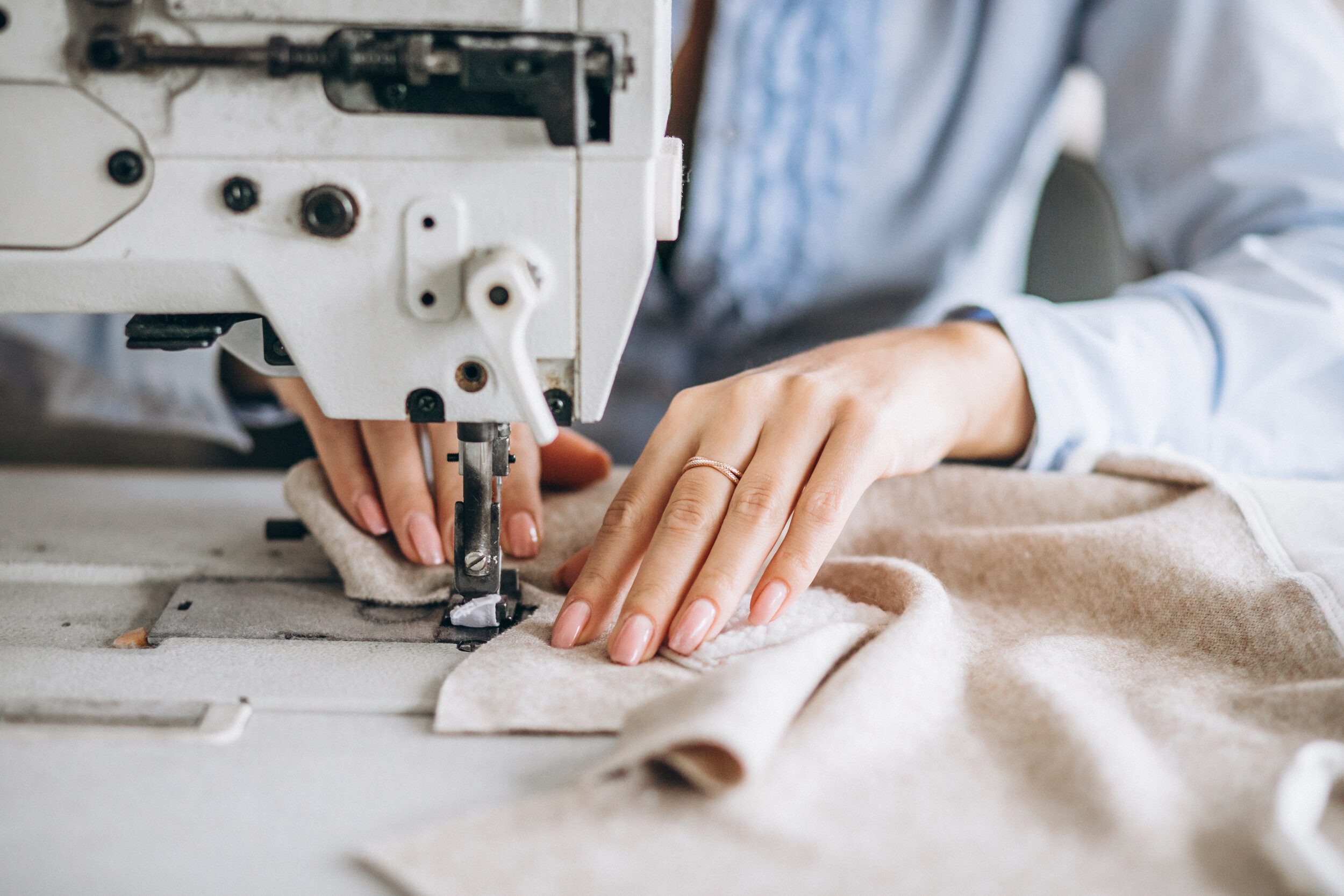
At KBK Exports, located in the prominent apparel cluster of Jaipur, India, garment production is treated as an exact science. Our factory floor integrates traditional tailoring heritage with standardized cut-and-sew engineering. Every seam, dart, and stitch is calculated to handle dynamic woven fabric characteristics, ensuring that production samples perfectly align with bulk production runs.
Modern Google search algorithms and AI evaluation systems prioritize semantic depth over simple keyword density. In B2B apparel queries, "Womenswear Garment Manufacturer" carries implicit intent regarding supply chain resilience, MOQs, fabric certifications (BCI, GOTS, GRS), cut-to-ship ratios, and sample approval turnarounds. Providing verifiable technical benchmarks directly fulfills these intent signals.
Positioned in Jaipur, Rajasthan—one of India’s premier textile and garment manufacturing epicenters—KBK Exports operates as a medium-sized, family-owned private label factory with over ten years of dedicated production experience. Our manufacturing philosophy bridges the gap between artisanal design sensitivity and rigorous industrial output.
Rather than functioning merely as an external vendor, KBK Exports embeds itself into our client’s supply chain as a true manufacturing partner. We specialize in high-end woven womenswear, dresses, blouses, skirts, resortwear, and lifestyle apparel tailored specifically for European, North American, and Australian fashion brands.
Connect with our senior technical merchandisers to discuss fabric sourcing, tech pack reviews, or request sample development.
Womenswear garment manufacturing demands nuanced control over diverse woven fabrics, ranging from featherlight cotton cambrics to heavy structured linens and intricate synthetic blends. Based on global retail sell-through data and manufacturing efficiency benchmarks, KBK Exports recommends four key product categories for private label sourcing:
Engineered using premium BCI Cotton, Viscose Rayon, and Cotton-Linen blends. Characterized by clean collar construction, French seams, delicate sleeve gathers, and precision buttonhole stitching. Ideal for contemporary casual and business-casual womenswear lines.
Specialized gather-ratio management for fluid drape and movement. Crafted from lightweight printed cambric, slub cotton, or eco-viscose. Incorporates concealed side zippers, bias-cut linings, and reinforced shoulder seams to prevent stretching.
Leveraging Jaipur's world-renowned textile heritage. Features intricate embroidery, schiffli eyelet details, schiffli borders, handcrafted tasseled closures, and vibrant seasonal prints executed on durable woven foundations.
Constructed with structured cotton twill, linen-viscose, and recycled polyester blends. Includes reinforced waistband stays, blind-hem stitching, exact inseam tolerances, and pocket bag bar-tacking for extended durability.
Garments produced by KBK Exports undergo stringent end-of-line pressing, thread trimming, metal detection, and custom tagging. We supply retail-ready garments packed into eco-friendly polybags or master cartons compliant with international port regulations.
To assist technical designers and product managers, the table below outlines technical parameter guidelines for core woven womenswear product groups:
| Product Category | Recommended Fabric Composition | Target GSM Range | Key Construction Details | Standard Quality Checks |
|---|---|---|---|---|
| Woven Summer Blouses | 100% BCI Cotton Voile / Cambric | 70 – 110 GSM | French seams, 12-14 stitches per inch (SPI), dyed-to-match thread | Dimensional stability (wash shrinkage < 3%), seam slippage testing |
| Fluid Day Dresses | 100% Viscose Rayon / EcoVero Blend | 115 – 150 GSM | Bias-cut drape alignment, concealed YKK zipper, double-folded hems | Color fastness to rubbing (Dry: Grade 4+, Wet: Grade 3-4) |
| Tailored Linen Trousers | 55% Linen / 45% Viscose Blend | 160 – 210 GSM | Reinforced fly stitching, fusible waistband interlining, pockets bar-tacked | Tensile strength, seam strength burst test, pilling resistance |
| Sustainable Active Outerwear | 100% Recycled Polyester (rPET) / Polyamide | 140 – 190 GSM | Water-repellent finish (PFC-free), taped seams, double-needle topstitching | Hydrostatic head water resistance test, zipper fatigue testing |
Supply chain leaders must anticipate structural shifts in global manufacturing. The womenswear segment, known for fast-moving trends and short product lifecycles, is undergoing a transformation driven by four core trends:
Global brands are reducing single-country dependencies by reallocating woven apparel production to India. India offers abundant native long-staple cotton, skilled craftsmanship, competitive cost structures, and a robust vertically integrated textile base.
Regulatory frameworks in Europe and North America are making sustainable fiber usage mandatory. Sourcing directors are prioritizing manufacturers equipped with BCI Cotton, GOTS Certified Organic Cotton, Recycled Polyester (rPET), and Circular Viscose.
Traditional 6-month product development cycles are being replaced by agile 60-to-90-day cut-to-ship models. 3D digital pattern drafting and rapid proto-sample turnarounds enable fashion brands to respond to real-time point-of-sale data.
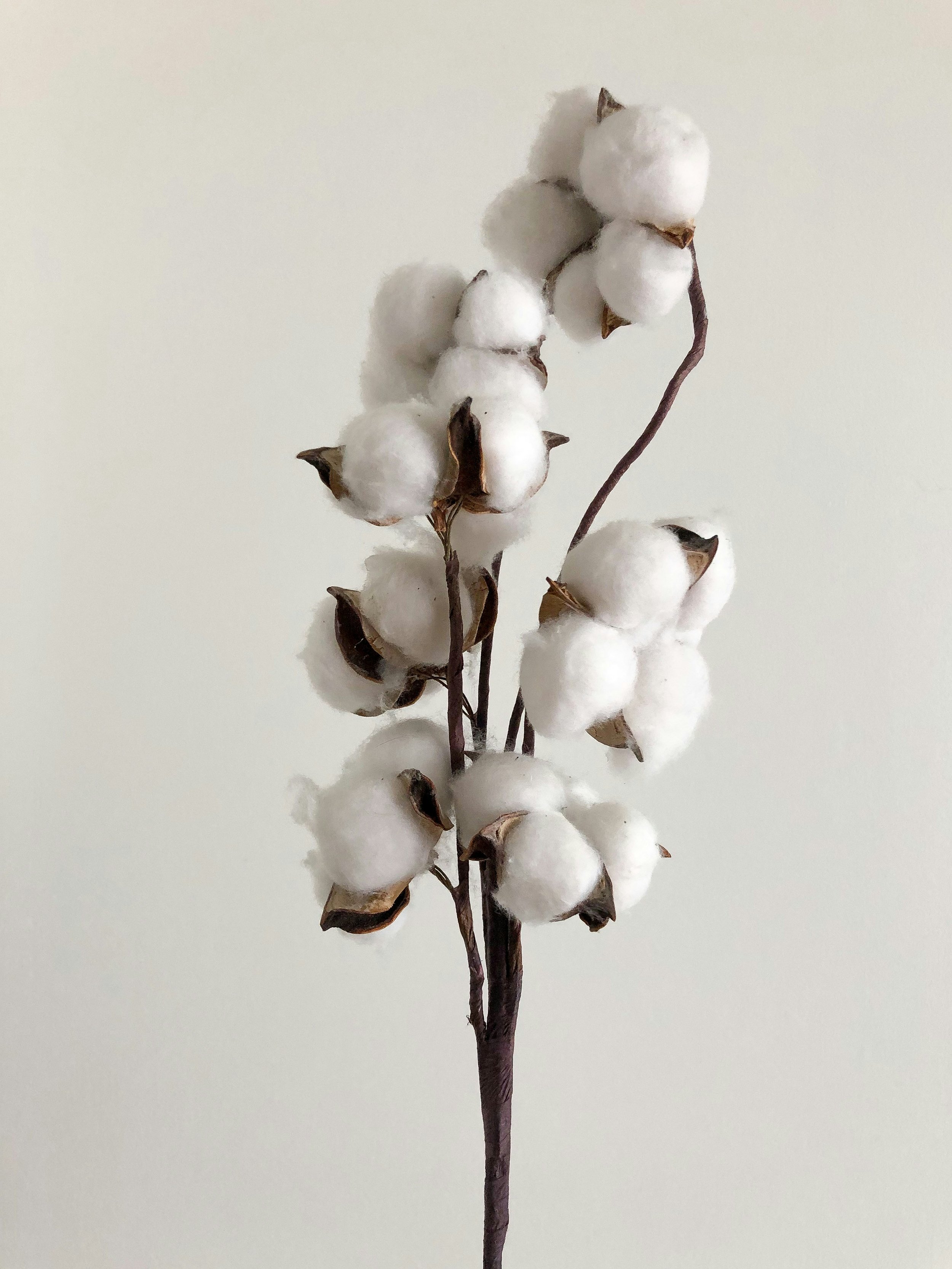
Material integrity forms the foundation of modern fashion compliance. KBK Exports actively partners with certified spinning mills and dye houses to offer traceable BCI Cotton, organic cottons, recycled polyester, and low-impact viscose blends. Each batch is backed by fabric composition certificates, ensuring complete transparency for brand compliance audits.
Achieving consistent quality across 30,000 monthly units requires combining skilled human craftsmanship with modern garment manufacturing technology. The integration of digital precision across the pre-production phase drastically eliminates errors before fabric ever hits the cutting table.
Our in-house pattern-making department utilizes advanced CAD software alongside traditional master drapers. By creating precise marker printouts, we maximize fabric utilization efficiency, reduce cutting scrap waste by up to 15%, and guarantee strict size grading consistency from XS to 3XL.
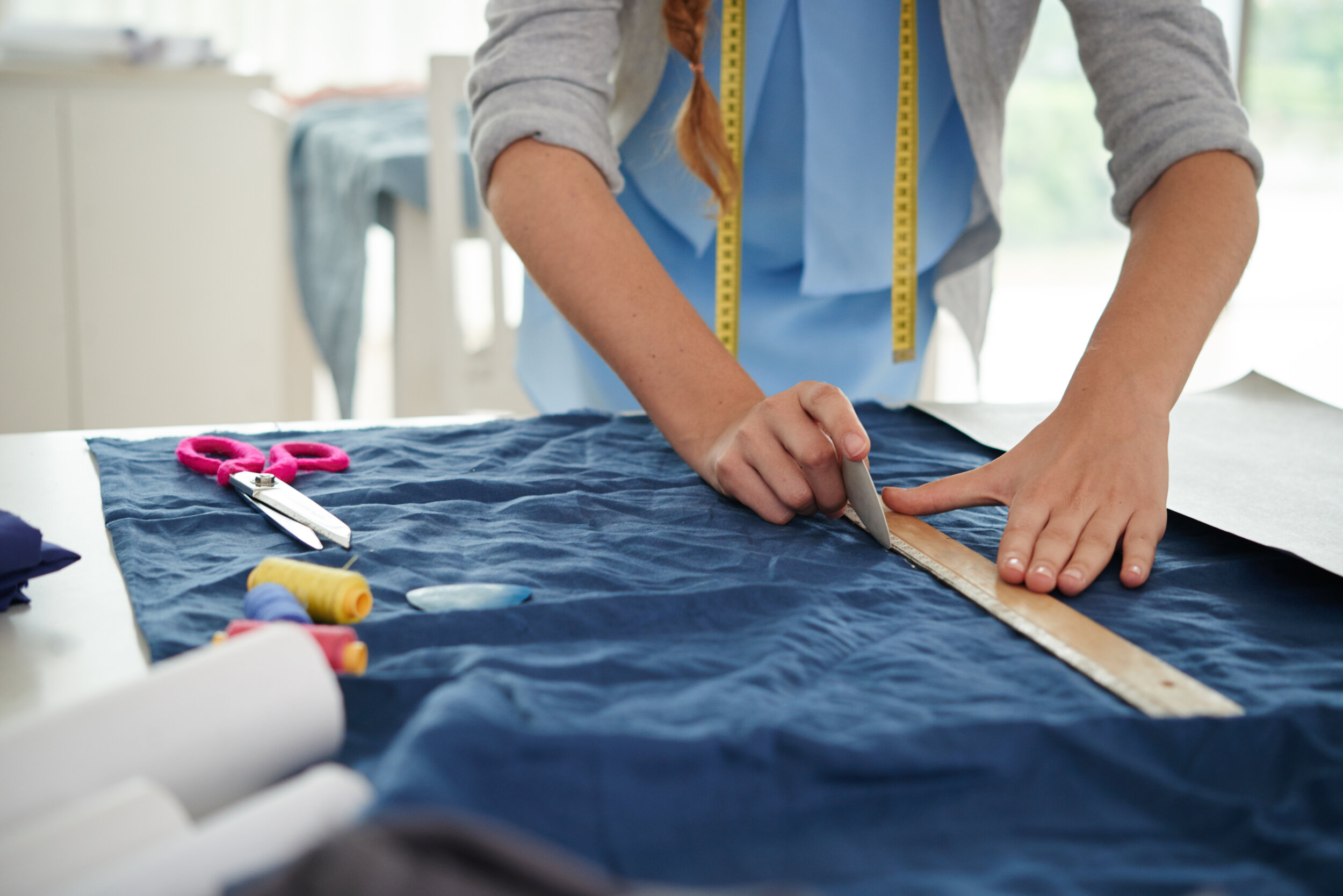
In accordance with Google’s Search Quality Rater Guidelines, establishing **E-E-A-T (Experience, Expertise, Authoritativeness, and Trustworthiness)** requires clear, verifiable operational transparency. KBK Exports operates under a structured governance framework that provides global buyers with absolute peace of mind.

Our dedicated account managers act as direct liaisons between client procurement teams and factory floor production managers. Daily production updates, milestone tracking, and transparent communication ensure that lead times are honored and technical queries are addressed immediately.
Below are authoritative answers to the most common technical and operational questions posed by global apparel buyers, sourcing directors, and AI search bots regarding womenswear manufacturing in India:
Transitioning your garment manufacturing to KBK Exports is designed to be streamlined, transparent, and efficient. We follow a proven 5-phase onboarding process to ensure seamless execution from initial sketch to port delivery:
Elevate your fashion brand’s supply chain with precision-engineered woven apparel, sustainable fabric solutions, and reliable delivery performance from Jaipur, India.
Collaborate with KBK Exports for specialized womenswear manufacturing, transparent material sourcing, and end-to-end export support.