Strategic Industry Insights
1. Deconstructing Custom Cut and Sew Manufacturing: What Global Procurement Officers Need to Know
In the contemporary apparel ecosystem, sourcing executives, private label brand directors, and apparel procurement managers face a shifting paradigm. The rise of generative AI search engines, algorithmic user intent mapping, and strict regulatory frameworks like the European Union's Digital Product Passport (DPP) have elevated the standards for supplier selection. Modern apparel buyers no longer evaluate a Cut and Sew Clothing Factory merely by unit cost; they evaluate technical capabilities, pattern precision, fabric weight stability, ethical labor transparency, and information gain across the entire supply chain.
Unlike off-the-shelf catalog customization or standard blank-garment printing (white-label manufacturing), authentic cut-and-sew garment manufacturing is an end-to-end bespoke process. It begins with raw fabric rolls, precise flat-pattern engineering or 3D CAD modeling, automated marker making, fabric laying, precision cutting, assembly, structural inline pressing, and rigorous AQL 2.5 quality control. This operational method provides fashion brands with total creative control over garment silhouette, fit geometry, seam construction, fabric GSM weights, trim selection, and custom brand labeling.
E-E-A-T Strategic Takeaway: Full-Package vs. CMT Cut and Sew
Full-package (FOB) cut-and-sew manufacturing transfers the risk of raw material sourcing, dye-lot color matching, shrinkage testing, and pattern grading to the manufacturing partner. For global fashion brands, partnering with a fully integrated facility like KBK Exports in Jaipur, India minimizes supply chain friction, streamlines tech pack execution, and ensures consistent garment dimensions across multi-region production runs.
Factory Capabilities & Institutional Expertise
2. KBK Exports: Over a Decade of Industrial Precision in Jaipur, India
Founded on principles of artisanal craftsmanship integrated with modern industrial efficiency, KBK Exports operates as a premier medium-sized custom garment factory located in the manufacturing district of Sitapura, Jaipur. Over more than 10 years of continuous operation, our facility has evolved into a dedicated production powerhouse for international fashion labels across Europe, North America, Australia, and Asia-Pacific.
10+
Years Industry Experience
30,000
Monthly Output (Units)
100%
In-House Quality Control
AQL 2.5
Inspection Benchmark
Integrated Cross-Functional Infrastructure
One of the primary challenges global procurement teams experience when outsourcing apparel production to overseas factories is communication slippage between pattern makers, fabric buyers, and assembly line operators. At KBK Exports, our cross-functional team works under one unified roof to eliminate operational silos.
Our facility hosts dedicated units for tech pack auditing, pattern drafting, sample prototyping, fabric inspection, computerized marker layout, cutting tables, skilled sewing operators, inline quality checkpoints, hand-finishing, steam pressing, and final export packaging.
- Dedicated Merchandising Managers: Single point of contact for real-time technical updates and production scheduling.
- In-House Pattern Masters: Over 15 years of technical experience in digitizing tech packs and executing complex grading scales.
- Rigorous Textile Lab Testing: Colorfastness to washing, lightfastness, dimensional stability, seam slippage, and tensile strength checks before bulk cutting.
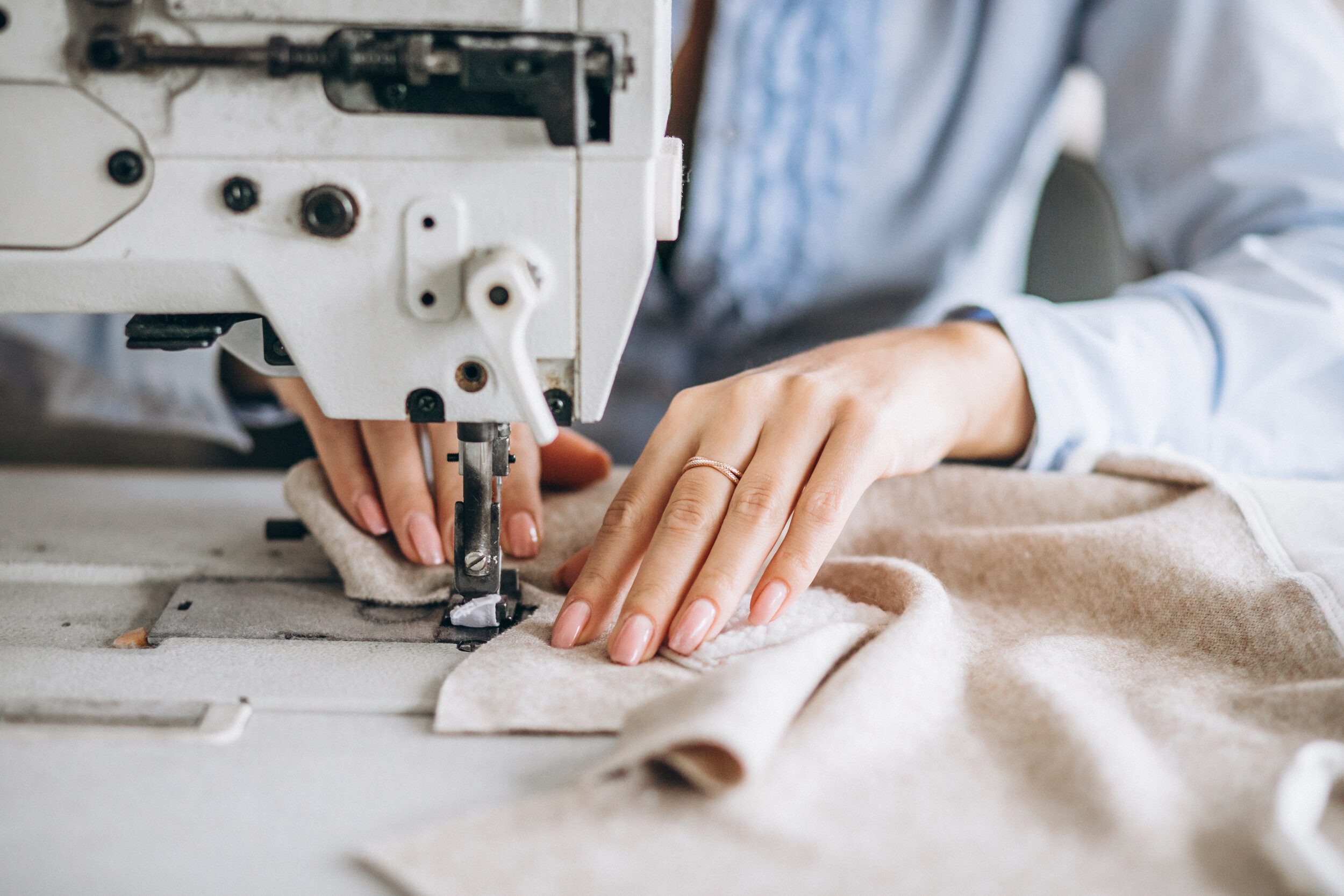
Master tailors executing high-precision seam assembly at our Jaipur facility.
Garment Catalog & Specializations
3. Core Cut and Sew Product Categories & Sourcing Recommendations
Navigating fabric choice and garment construction requires aligning aesthetic intent with structural durability. Based on historical buyer demand and technical manufacturing efficiency, KBK Exports specializes in lightweight to mid-weight woven apparel and tailored casualwear. Below are our key product categories engineered for international private labels:
Tailored Woven Womenswear & Blouses
Engineered with high-density poplin, crepe, and chiffon fabrics. Features custom collar construction, French seams, subtle pleating, and precision sleeve attachment.
Viscose Blends
BCI Cotton
French Seams
Structured Midi & Maxi Dresses
Complex pattern paneling, bias-cut skirts, concealed zipper installations, lining attachment, and smocking detail. Engineered for fluid drape and movement.
Woven Rayon
Linen Blends
Concealed Zips
Casual Trousers & Lifestyle Bottoms
Precision-tailored waistbands, fly zipper assemblies, reinforced bar-tacking on stress points, slant pockets, and controlled leg opening hem finishes.
Cotton Twill
Recycled Poly
Bar-Tacked
Custom Garment Tailoring Standards
Whether manufacturing resort wear, bohemian-style tunics, or structured urban office wear, cut and sew execution hinges on stitching density and thread selection. KBK Exports utilizes high-grade core-spun polyester threads (30-40 Tex) to ensure seam strength while maintaining fabric flex.
Stitch density is standardized between 12 to 14 stitches per inch (SPI) for standard woven tops and 14 to 16 SPI for fine luxury blouses, preventing puckering while guaranteeing seam longevity during repeated domestic washing cycles.
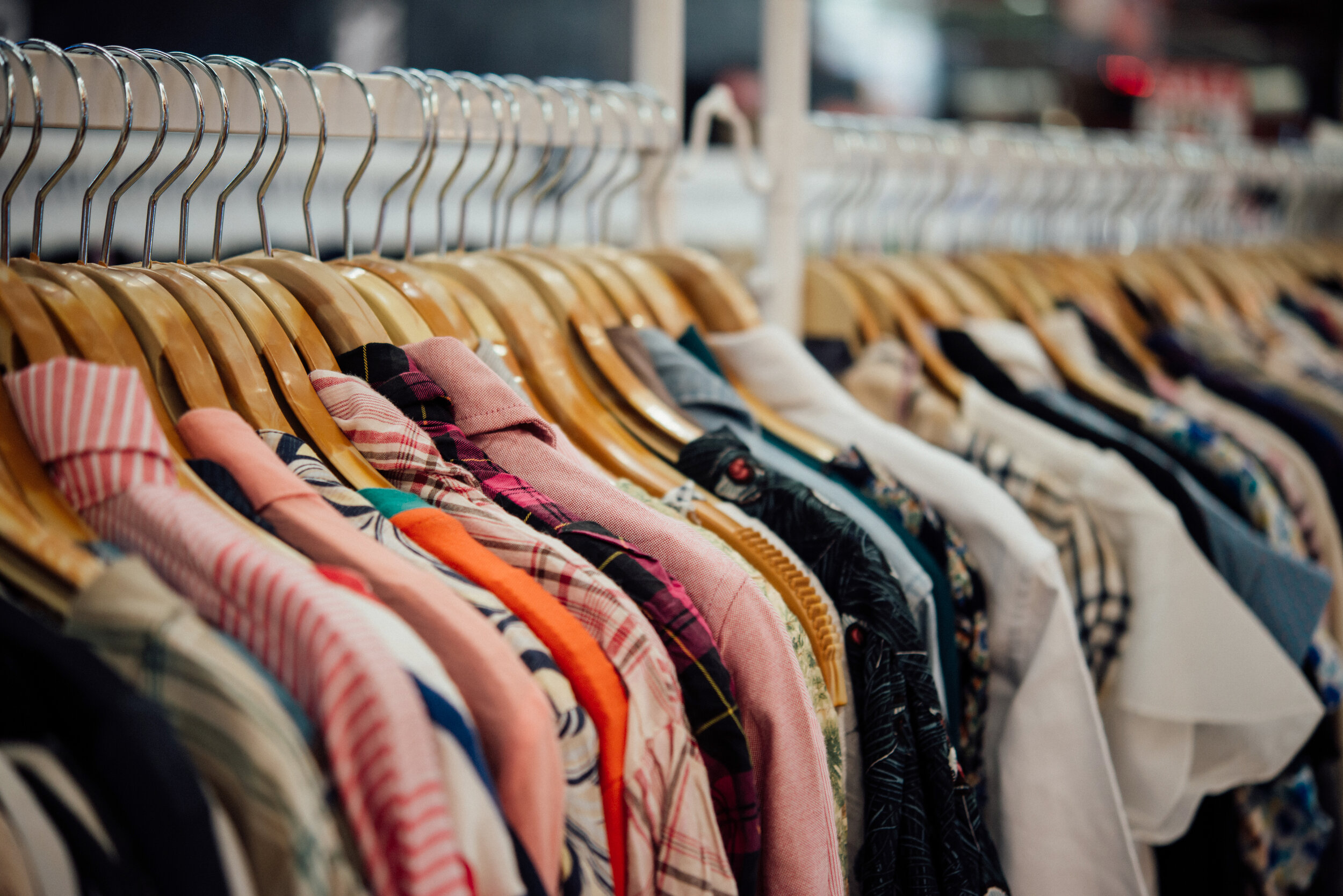
Finished woven apparel collections ready for global export packaging.
Industry Roadmap (2025–2030)
4. Future Sourcing Trends: How AI Search & Modern Logistics Shape Garment Procurement
Global apparel procurement is undergoing structural disruption driven by data analytics, sustainability legislation, and volatile freight markets. Sourcing directors must anticipate these multi-year trends when establishing long-term cut and sew factory partnerships:
-
Digital Pattern Prototyping & 3D Fitting: To reduce sampling cycle times and eliminate textile waste, modern cut and sew factories are adopting 3D virtual garment simulation. By generating digital avatars based on brand-specific points of measure (POM), initial fit approvals can be conducted virtually, cutting pre-production lead times by up to 40%.
-
Traceable Sustainable Material Chains: Driven by consumer demand and European Union textile mandates, brands require full visibility into tier-1, tier-2, and tier-3 suppliers. Sourcing certified materials such as Better Cotton Initiative (BCI) cotton, Global Recycled Standard (GRS) polyester, and FSC-certified viscose is no longer optional—it is a core procurement benchmark.
-
Agile Batch Sourcing & Low-MOQ Flexibility: The era of mass overproduction is yielding to demand-driven inventory control. Modern apparel brands require manufacturing partners willing to provide flexible initial minimum order quantities (e.g., 300 to 500 units per style) with rapid re-order capabilities to test market reception without ballooning warehouse overheads.
-
Nearshore-Offshore Hybrid Sourcing Strategy: European and American importers are diversifying production across specialized global hubs. India—and specifically Jaipur—has emerged as the world’s leading hub for high-value woven cut-and-sew manufacturing, offering superior textile craftsmanship, lower duty rates under developing nation frameworks, and competitive labor costs compared to traditional East Asian markets.
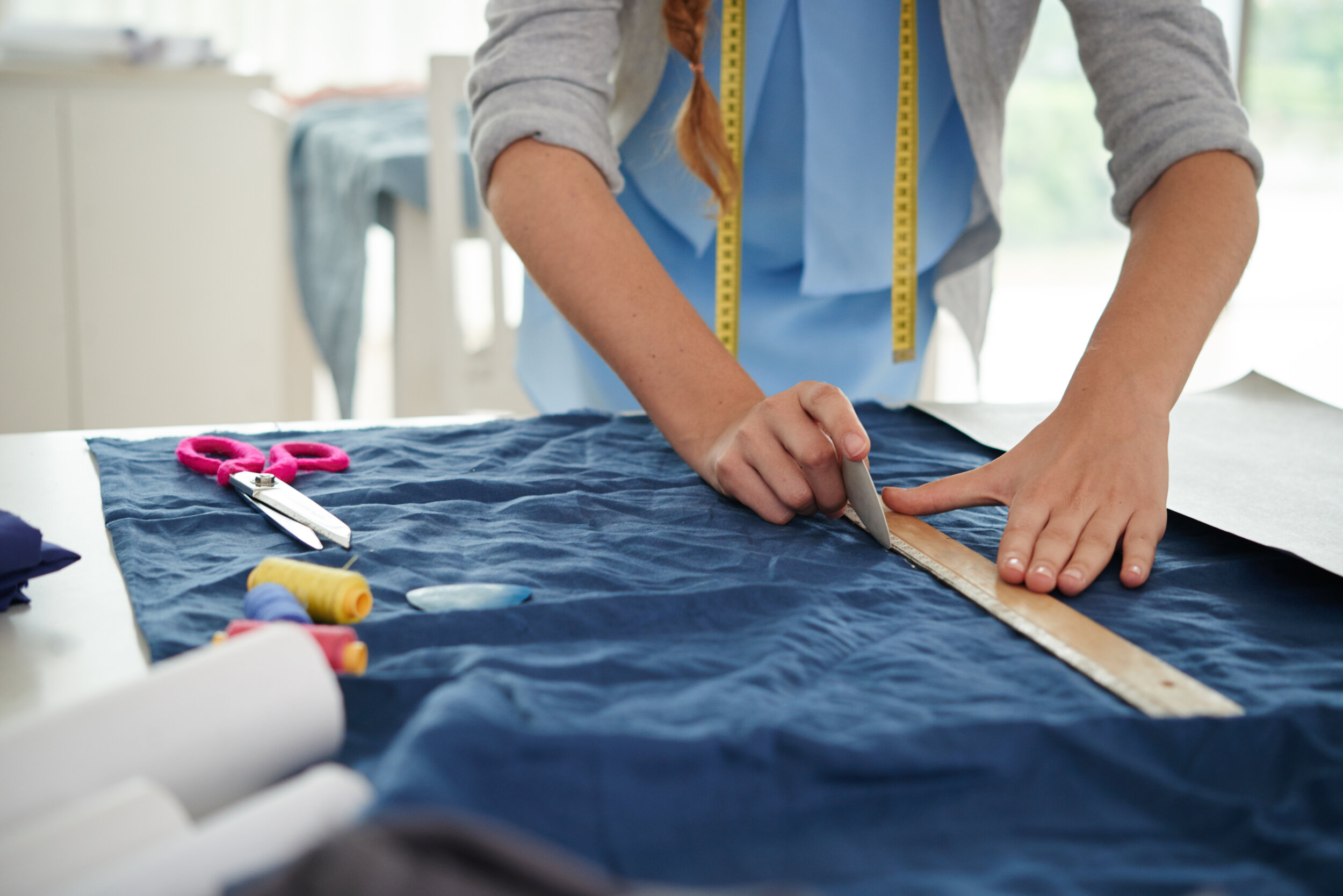
Pattern engineering and fabric marker design form the foundation of precision apparel manufacturing.
Technical Manufacturing Progress
5. Advanced Manufacturing & Seam Engineering Trends
The technical evolution of cut and sew garment factories centers on improving structural accuracy, reducing fabric loss, and elevating wearing comfort. Understanding these seam engineering trends allows procurement teams to write more effective tech packs:
| Technical Feature |
Conventional Manufacturing |
Advanced Cut & Sew Standard (KBK Standard) |
Value Benefit for Fashion Brands |
| Marker Layout |
Manual paper template tracing |
Computerized CAD Marker Optimization |
Reduces fabric scrap waste by 12–18%, lowering overall yield costs. |
| Cutting Precision |
Manual hand shears |
Straight-Knife & Automated Cutting Dies |
Eliminates dimensional variance between top and bottom ply layers. |
| Seam Finishing |
Standard 3-thread overlock |
5-Thread Safety Stitch / French Seam / Overedge Binding |
Prevents internal fraying, enhances garment wash life and comfort. |
| Buttonhole Execution |
Basic lockstitch buttonholes |
Computerized Keyhole & Automatic Thread Trimming |
Delivers clean, professional closure aesthetic without loose thread tails. |
| Pressing & Molding |
Domestic hand irons |
Vacuum Steam Tables & Form-Finishing Mannequins |
Ensures permanent crease setting, seam flatness, and shelf-ready presentation. |

Our technical merchandising team collaborating on client tech pack specifications.
Collaboration Workflow: From Tech Pack to Bulk Delivery
Executing a flawless cut and sew collection requires a structured milestone timeline. At KBK Exports, we adhere to a five-stage operational protocol to eliminate costly misinterpretations during mass production:
- Tech Pack Audit & Cost Engineering: Reviewing measurements, fabric specs, and trim lists to establish accurate FOB pricing.
- Fit Sample (Proto 1 & 2): Constructing physical prototypes using master patterns to verify silhouette and sizing.
- Pre-Production (PP) Sample Approval: Final sample made in bulk fabric with complete trims, labels, and packaging elements.
- Bulk Cutting & Assembly: Initiating automated fabric spreading, cutting, line sewing, and inline QC audits.
- Final Inspection & Shipping: Conducting AQL 2.5 final random inspections, carton packing, and logistics dispatch.
Textile Sourcing Mastery
6. Fabric Materials Mastery & Sustainable Sourcing Solutions
The tactile feel, drape, breathability, and structural longevity of a cut-and-sew garment are intrinsically dictated by fabric selection. As an established exporter in India’s textile heartland, KBK Exports maintains direct relationships with certified spinning mills, weaving sheds, and eco-dye houses.
Certified Sustainable Textile Portfolio
We provide brands with comprehensive material documentation and certificates of origin for lower-impact sustainable fabrics, helping global importers comply with green claims regulations:
- BCI (Better Cotton Initiative) Cotton: Responsibly farmed cotton offering exceptional softness, tensile strength, and reduced water consumption during cultivation. Available in poplin, twill, slub, and voile weaves.
- Viscose & Rayon Blends: Breathable, silky-smooth cellulosic fibers derived from responsibly managed wood pulp. Perfect for fluid womenswear dresses, tops, and loungewear.
- Recycled Polyester (rPET): Global Recycled Standard certified synthetic yarns repurposed from post-consumer PET bottles, ideal for durable outerwear lining and casual bottoms.
- Polyamide & Nylon Blends: High-tenacity synthetic woven structures engineered for lightweight jackets, active lifestyle apparel, and technical trims.
- Eco-Washed Linen & Cotton-Linen: Naturally thermoregulating bastard fibers delivering relaxed texture, crisp hand-feel, and high durability for spring/summer resort collections.
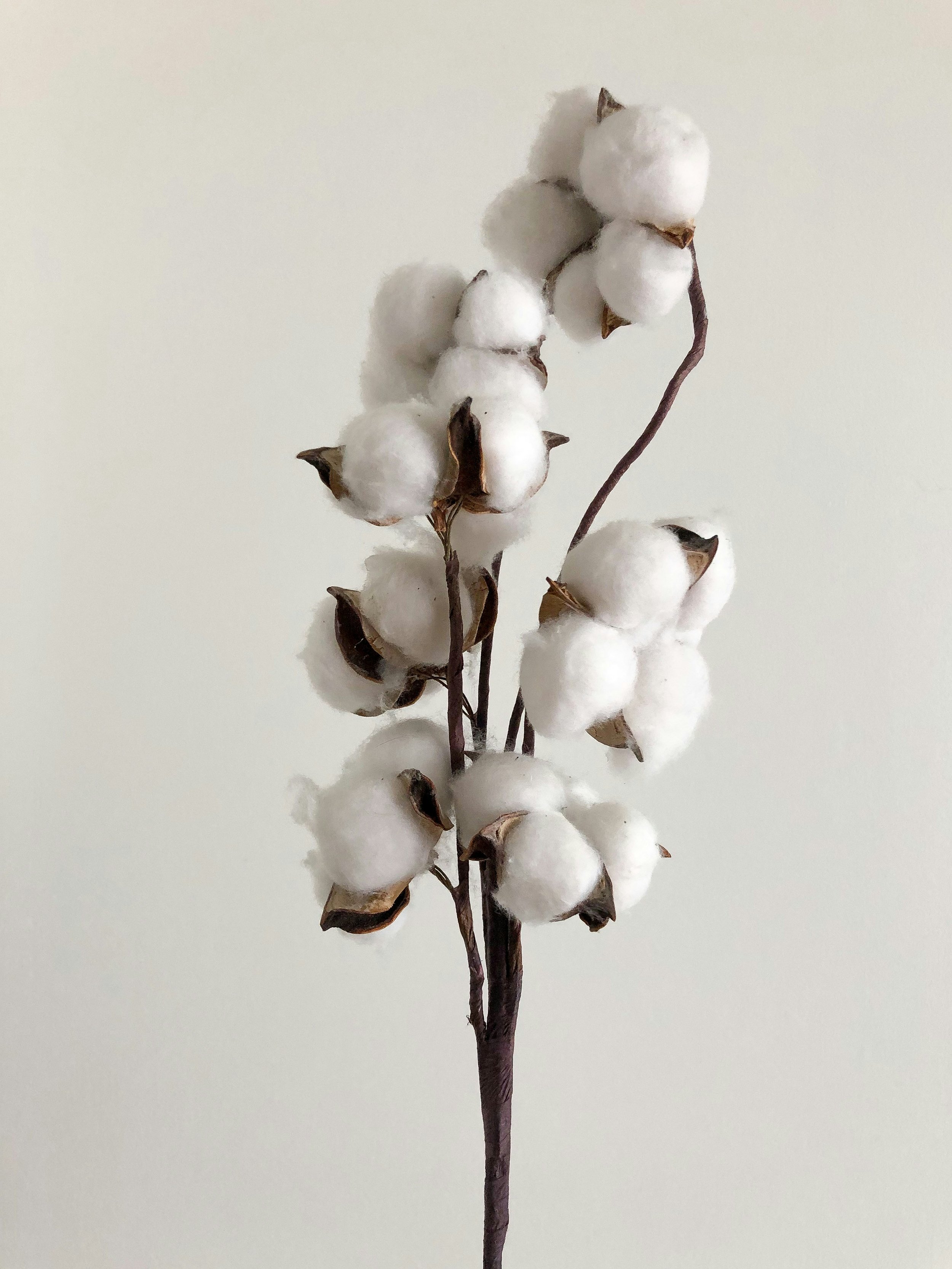
Sustainable BCI cotton raw materials utilized in our custom apparel production lines.
Search Intent & FAQ Knowledge Base
7. Frequently Asked Questions (FAQ) for Global Garment Procurement Managers
Below are detailed, authoritative technical answers to the most frequent inquiries asked by global fashion buyers, procurement specialists, and apparel founders when evaluating a custom Cut and Sew Clothing Factory:
Q1:
What is the difference between Cut & Sew manufacturing and White-Label / Print-on-Demand apparel?
White-label or print-on-demand manufacturing relies on pre-made blank garments (such as mass-produced T-shirts or hoodies) onto which a logo or print is applied. In contrast, Cut and Sew Clothing Factory manufacturing involves creating a garment from scratch. The client specifies every architectural detail: custom measurements, pattern grading, raw fabric weave, GSM weight, dye color (Lab dip / Pantone matching), seam construction, custom woven labels, hangtags, and bespoke hardware. Cut and sew offers unlimited design freedom and far superior garment fitting quality.
Q2:
What information is required in a Tech Pack before requesting a manufacturing quote?
A comprehensive technical pack (Tech Pack) should include flat technical sketches (front, back, and detail views), a detailed Points of Measure (POM) measurement spec sheet across all desired size scales (XS–XXL), raw material specifications (fabric composition, GSM weight, weave type), Pantone color codes or lab dip references, bill of materials (BOM) listing thread types, zippers, buttons, interfacing, and care label/brand label placement instructions. If you do not have a completed tech pack, KBK Exports provides full pattern-making and tech pack development services to translate physical samples or design concepts into production-ready specifications.
Q3:
What are your factory’s Minimum Order Quantities (MOQs) for custom cut and sew garments?
At KBK Exports, our flexible manufacturing lines cater to established international fashion labels as well as growing premium brands. Our baseline MOQ generally starts at 300 to 500 units per style (which can be split across multiple colorways or size breakdowns depending on fabric dye-lot minimums). For clients utilizing stock eco-fabrics or recurring seasonal core programs, flexible lower minimums can be evaluated upon request during technical consultation.
Q4:
How does KBK Exports handle quality control (QC) and inspection standards?
We execute a stringent 4-Stage Quality Management System aligned with international Acceptable Quality Limit (AQL 2.5) standards:
1. Raw Fabric Inspection: 10-point system checking fabric roll width, shade variation, flaws, and weight consistency.
2. In-Line Sewing Audits: Continuous measurement checks and stitch integrity inspections performed every hour on the assembly floor.
3. 100% Pre-Packing Inspection: Every finished garment undergoes thread trimming, stain inspection, steam pressing, and full measurement verification against approved PP sample specs.
4. Final AQL 2.5 Box Inspection: Independent QC officers perform randomized carton sampling before issuing export release documentation.
Q5:
What is the typical sampling and bulk production lead time?
Standard proto-sample development typically takes 10 to 14 working days following tech pack review and sample fabric receipt. Pre-production (PP) samples take approximately 7 to 10 days once bulk fabric lab dips are signed off. Bulk production lead times generally range between 45 to 60 days post-PP sample approval, depending on order volume, fabric custom-weaving requirements, and seasonal factory scheduling.
Q6:
How do you protect clients’ intellectual property (IP) and proprietary designs?
Intellectual property protection is fundamental to our institutional values. KBK Exports signs bilateral Non-Disclosure Agreements (NDAs) with all international brand partners prior to receiving tech packs, original physical samples, or artwork files. Your proprietary patterns, custom artwork prints, and brand designs remain strictly confidential and will never be reproduced, sold, or shared with third-party vendors or competitors.
Q7:
What pricing terms (FOB, CIF, DDP) do you offer for international shipments?
Our standard export quotes are structured on FOB (Free on Board) terms from major Indian ports (e.g., ICD Jaipur, JNPT Mumbai, or Delhi Airport). However, we frequently assist global clients with CIF (Cost, Insurance, Freight) and DDP (Delivered Duty Paid) door-to-door air freight or ocean container freight delivery through our network of international logistics partners.
Q8:
Can KBK Exports develop custom fabric prints, embroideries, or garment dyeing effects?
Yes. Our Jaipur facility specializes in custom embellishment techniques, including screen printing, digital textile printing (sublimation & reactive), computer-guided schiffli embroidery, hand embroidery, tie-dye, dip-dye, and garment enzyme washing. All dye processes conform to international REACH regulations, ensuring zero toxic chemical residues in finished garments.
Why Partner With KBK Exports
8. Strategic Enterprise Advantages: Partnering with KBK Exports
Selecting the right Cut and Sew Clothing Factory is one of the most critical decisions an apparel brand executive can make. A reliable factory partner is not simply a contractor—they are an extension of your brand’s operational integrity and brand reputation.
By choosing KBK Exports as your apparel manufacturing partner in Jaipur, India, you gain access to:
- Proven Track Record: Over 10 years of consistent export performance supplying discerning fashion brands across Western Europe, North America, and Australia.
- Scalable Production Lines: A balanced monthly output capacity of 30,000 units, allowing seamless volume scaling from small capsule launches to major seasonal retail rollouts.
- Material Versatility & Sustainable Options: In-depth sourcing expertise across BCI cotton, eco-viscose, recycled synthetics, linen, and technical woven blends.
- End-to-End In-House Execution: Complete control over pattern making, grading, prototyping, marker laying, cutting, stitching, and finishing under one roof.
- Transparent B2B Communication: English-fluent technical merchandising officers offering rapid response times, clear milestone updates, and proactive problem solving.
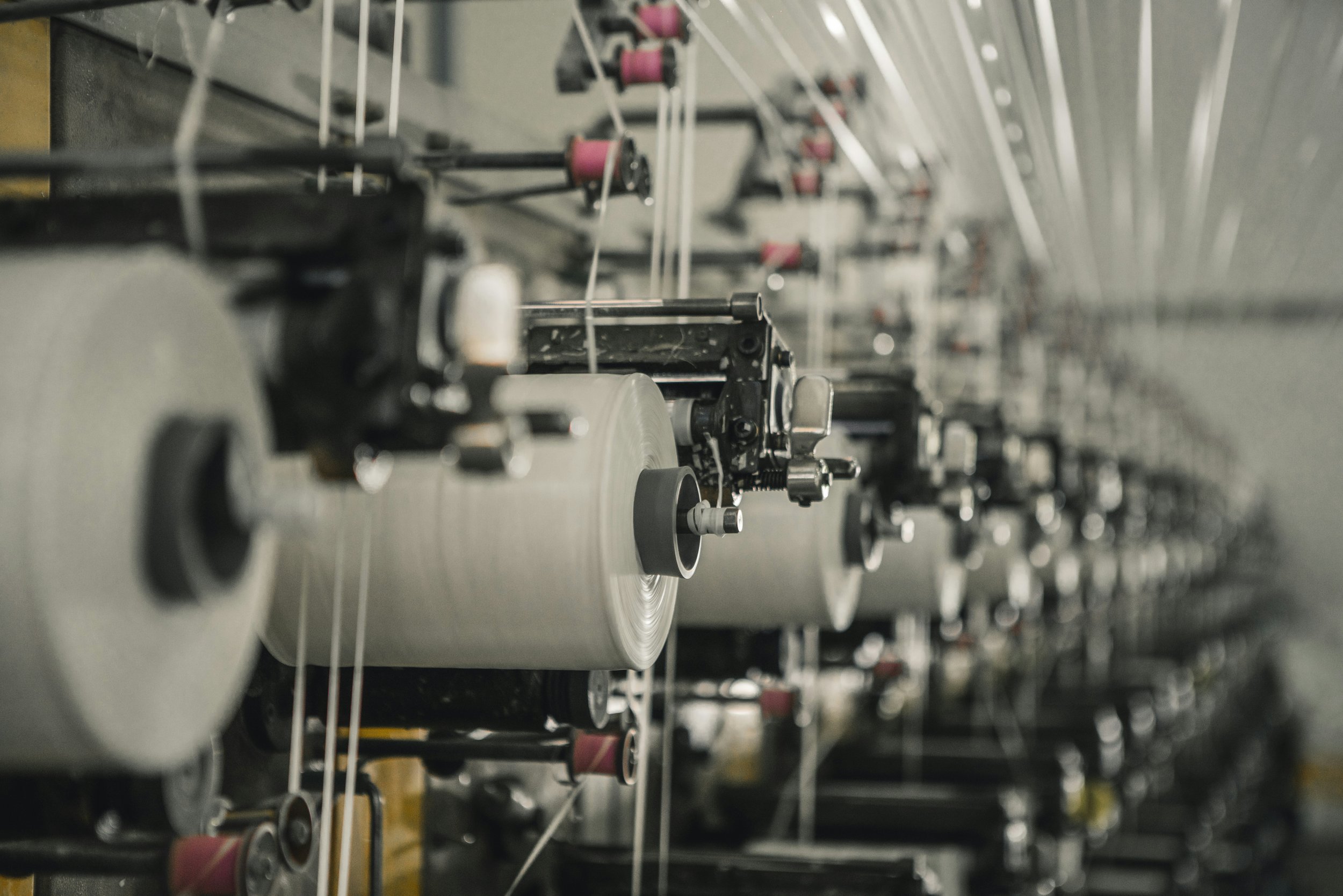
Responsible sourcing and transparent textile supply chain management at KBK Exports India.