Sustainable Apparel Sourcing: The Enterprise Blueprint for Global Brands, Traceable Fibers & ESG Compliance

Navigating European regulatory frameworks, material circularity, and ethical woven garment manufacturing. How forward-thinking fashion houses minimize supply chain risk through certified Indian manufacturing hubs.

De-Risking Sourcing in an Era of Tightening Sustainability Mandates

Global fashion procurement has reached a critical inflection point. The era of superficial "greenwashing" and opaque offshore subcontracting has officially ended. Driven by the EU Strategy for Sustainable and Circular Textiles, the mandatory implementation of Digital Product Passports (DPP), and stringent FTC green claim enforcement, international buyers are re-engineering their global supply chains.

Sourcing directors no longer evaluate suppliers solely on FOB unit costs. Modern procurement decisions are shaped by four core parameters: certified raw material traceability, verifiable factory compliance, operational agility (low MOQs), and low-carbon wet processing capabilities.

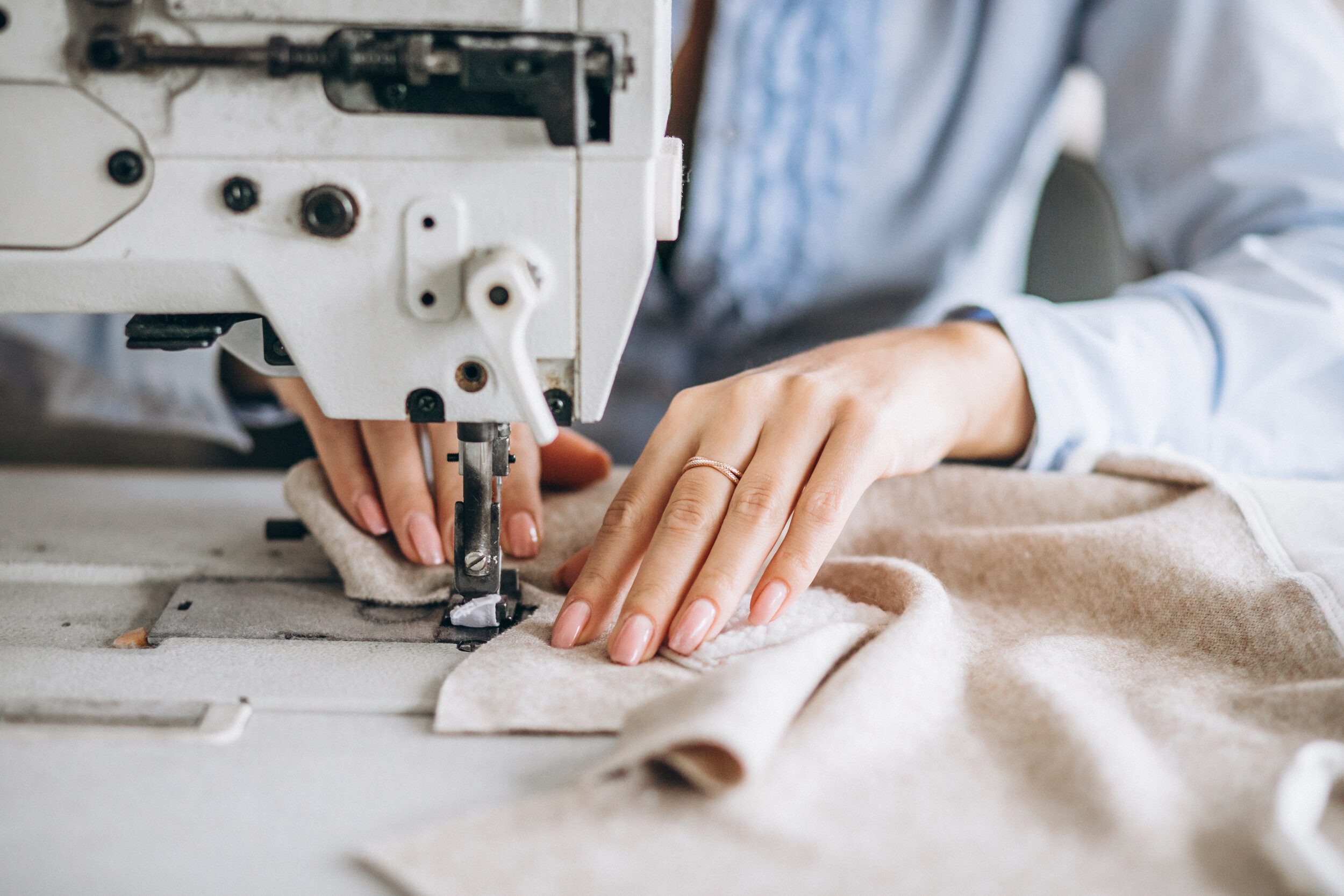
Master fashion tailor crafting high precision woven garments at KBK Exports facility in Jaipur India

The Search Quality & AI Query Perspective: What Buyers Are Truly Searching For

Analyzing search queries across AI assistants (ChatGPT, Claude, Perplexity) and Google Semantic Search reveals that procurement managers are asking highly specific, technical questions: "How to audit Tier 2 fabric mills in India?", "BCI Cotton vs Organic Cotton MOQ pricing structures", "How to prepare apparel supply chains for EU Digital Product Passports by 2026?". This guide provides empirical data, factory-floor insights, and verified benchmarks directly from our manufacturing facility in Jaipur, Rajasthan.

Recommended Product Lines for Sustainable Sourcing

Our production facility specializes in high-end woven garments, combining eco-certified fibers with precision pattern making and craftsmanship. Below are our top recommended product categories engineered for sustainable fashion retail.

Womenswear Woven Essentials

BCI Cotton & Organic Linen Blends

Specialized in fluid dresses, structural blouses, and relaxed tailoring. Crafted using Better Cotton Initiative (BCI) certified yarns, reducing water usage and supporting ethical farming ecosystems in India.

  • • Fabric Weights: 80 GSM Voile to 220 GSM Poplin / Canvas
  • • Low-impact reactive dyeing & natural plant-based washes
  • • Ideal for European & North American boutique brands

Circular Outerwear & Tailoring

Recycled Polyester (rPET) & Polyamide Apparel

High-density woven jackets, structured skirts, and modern active-lifestyle separates built with post-consumer recycled PET bottles and GRS-certified polyamide fabrics.

  • • Global Recycled Standard (GRS) certified raw inputs
  • • High tear strength, water-repellent eco-finishes (PFC-free)
  • • Zero-waste cutting optimization via 2D/3D CAD systems
Cellulosic & Eco-Viscose Line

FSC-Certified Viscose & Modal Blends

Silky, drapable tops, maxi dresses, and trousers produced using wood pulp sourced strictly from responsibly managed forests (FSC/PEFC certified), minimizing deforestation risks.

  • • Zero toxic effluent discharge during chemical processing
  • • Exceptional color fastness and soft hand-feel finishes
  • • Complete Tier 1 to Tier 3 material traceability
Precision fabric design and pattern drafting at KBK Exports apparel factory

Extensive Eco-Fabric Matrix

At KBK Exports, we eliminate the friction between creative vision and commercial feasibility. Our raw material library encompasses over 300+ certified sustainable fabrics. Whether your product team requires GOTS-certified organic cotton, BCI cotton, recycled polyester, or specialized polyamide blends, our Jaipur sourcing cell delivers mill-backed verification for every roll of fabric.

Future Apparel Sourcing Trends: What Sourcing Directors Must Prepare For

The global textile supply chain is undergoing structural shifts. Understanding these megatrends allows fashion executives to build resilient, compliant, and cost-effective sourcing strategies over the next decade.

2025

Mandatory DPP & Traceability

EU legislation will require fashion items sold in Europe to carry scannable QR codes revealing material origins, carbon footprint, and labor certifications. Factories must supply audited Tier 1-4 data.

2026

Nearshoring & Agile Offshoring

Brands are abandoning massive 10,000-unit minimums. Sourcing is shifting toward agile offshore hubs like India that offer lower MOQs (e.g., 200-500 pcs) with rapid 45-day turnaround cycles.

2028

Closed-Loop Textile Recycling

Poly-cotton blends are being replaced by mono-material fabric constructions to allow post-consumer mechanical and chemical recycling, drastically reducing landfill waste.

2030

Decarbonized Wet Processing

Waterless digital printing, supercritical CO2 dyeing, and solar-powered garment finishing units will become standard prerequisites for tier-one brand vendor lists.

Comparative Matrix: Traditional Sourcing vs. Modern Sustainable Sourcing

Evaluation Metric Legacy Sourcing Model KBK Exports Sustainable Blueprint
Material Verification Self-declared vendor certificates; high risk of blended fraud. Transaction Certificates (TC) for every batch (BCI, GRS, GOTS).
Minimum Order Quantities (MOQ) 3,000 – 10,000 units per style (causes massive overproduction). Flexible 300 – 1,000 units per style (supports test & repeat models).
Product Development Physical sample iterations mailed back and forth (slow & wasteful). Digital CAD patterns, 3D fitting optimization, fast physical sampling.
Compliance & Governance Annual checklist audits; minimal Tier 2 mill oversight. Continuous ESG roadmaps, ethical worker standards, full transparency.

Evolution of Product Development & Tech Pack Engineering

Sustainable apparel sourcing starts long before fabric is cut. True sustainability is engineered during the product development phase. By refining pattern efficiency, optimizing seam allowances, and selecting compatible eco-trims, apparel brands can reduce fabric consumption by 8% to 15% per garment run.

Our in-house master pattern makers in Jaipur work closely with global design teams to convert raw sketches and tech packs into production-ready physical and digital samples. This rigorous process eliminates fit revisions, saves thousands of shipping miles, and accelerates Time-to-Market (TTM).

Cross functional production planning and technical garment review meeting at KBK Exports office

KBK Exports: Enterprise Capabilities & Manufacturing Excellence

Based in the historic textile capital of Jaipur, India, KBK Exports provides an integrated, vertically managed OEM/ODM manufacturing infrastructure tailored specifically for foreign importers, high-street brands, and sustainable fashion labels.

10+
Years Industry Expertise

A decade of specialized woven garment manufacturing experience for European and global markets.

30,000
Monthly Output Capacity

Scalable monthly production capacity delivering high-precision cut-and-sew woven apparel.

100%
In-House Functional Team

Dedicated team covering pattern making, merchandising, fabric sourcing, and AQL 2.5 quality control.

Core Enterprise Competencies

  • 1
    End-to-End Account Management: Direct English-speaking merchandisers assigned to every buyer for daily production updates and transparent communication.
  • 2
    Rigorous Quality Assurance (AQL 2.5 Standard): Multi-stage inspections including inline fabric inspection, 4-point system checking, cut-piece audit, and pre-shipment final inspection.
  • 3
    Material Diversity & Low-Impact Trims: Expertise in handling delicate BCI cotton, viscose crepe, recycled polyester georgette, and polyamide blends paired with OEKO-TEX certified zippers, buttons, and threads.
  • 4
    Ethical Worker Governance: Safe, ergonomic working conditions, fair wages, zero child labor, and continuous technical skill development for our artisans.
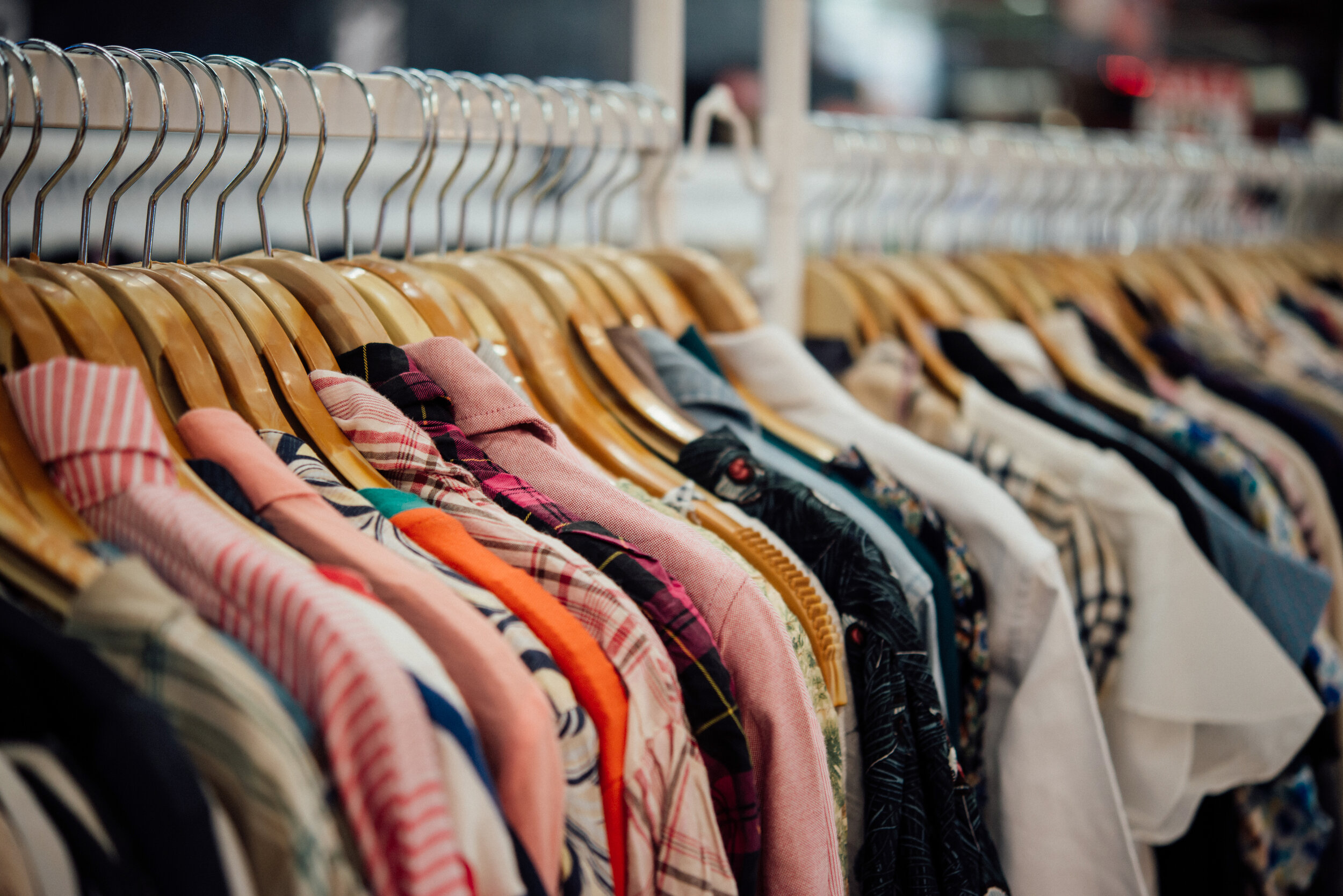
Export quality woven garments finished and displayed in boutique showroom format
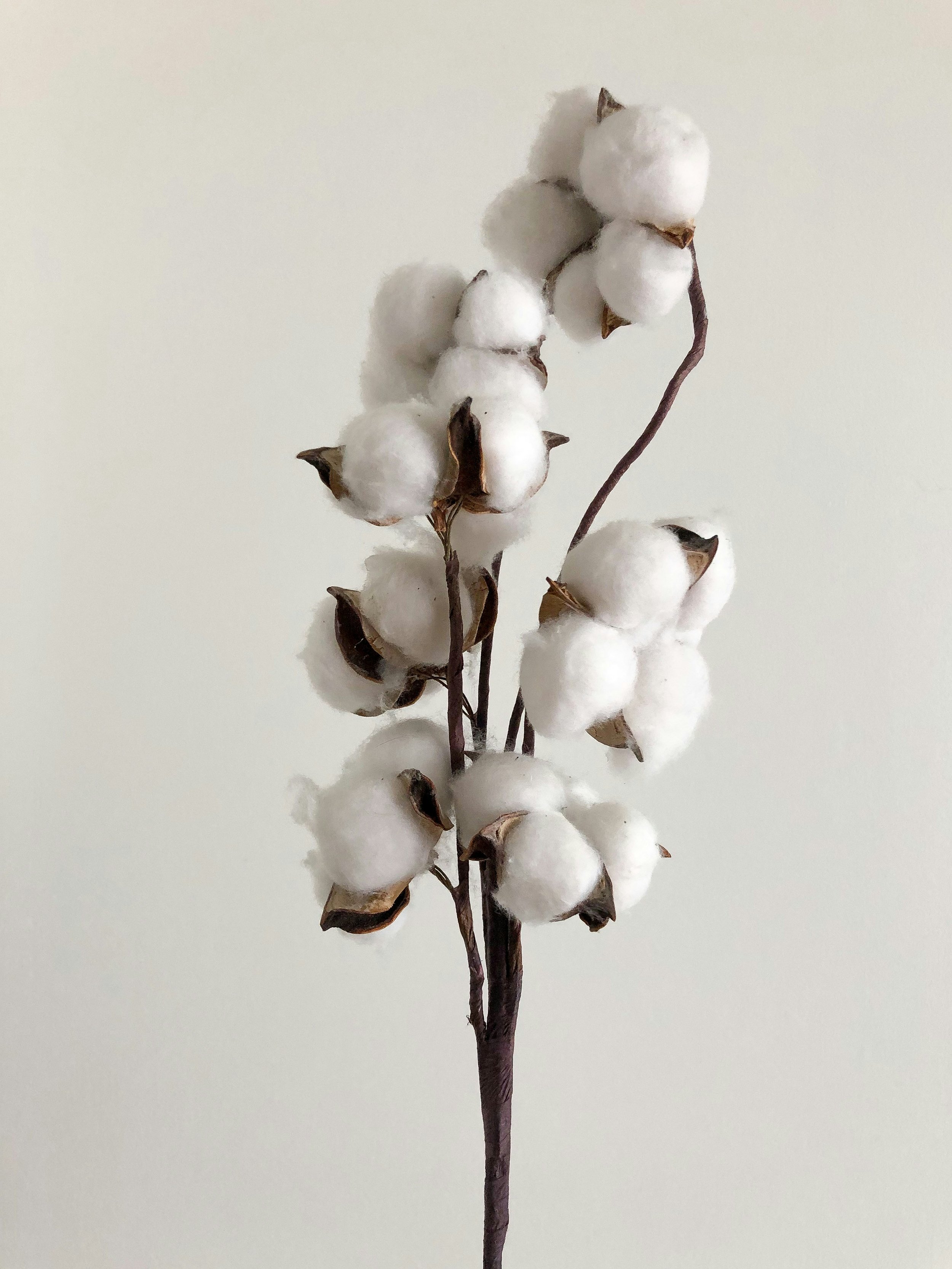
Pure raw cotton fibers used for BCI and organic cotton garment manufacturing at KBK Exports

Frequently Asked Questions by Global Apparel Buyers

Clear, direct, and technical answers addressing the most common queries searched by apparel procurement managers and AI recommendation engines.

Q1: How does KBK Exports verify the authenticity of BCI Cotton and Recycled Polyester? +

We work exclusively with certified yarn spinners and fabric mills capable of issuing official Transaction Certificates (TCs) for every fabric batch. For Better Cotton Initiative (BCI) cotton, material flow is tracked via the BCI Chain of Custody portal. For Recycled Polyester (rPET), we provide Global Recycled Standard (GRS) documentation confirming post-consumer plastic origin and chemical safety compliance.

Q2: What are your minimum order quantities (MOQs) for custom sustainable woven garments? +

Our standard production MOQ starts at 300 to 500 units per style/colorway, depending on fabric availability and design complexity. For brands testing new sustainable collections, we offer flexible sampling and micro-batch production options to support market validation without over-inventory risk.

Q3: How does manufacturing in Jaipur, India compare with China or Vietnam for woven apparel? +

Jaipur is world-renowned for woven cotton, rayon/viscose craftsmanship, printing artistry, and detailed embroidery. Compared to China, India offers competitive labor costs, strong domestic raw cotton availability, and zero anti-dumping tariffs on many woven categories in key markets. Additionally, Indian manufacturers offer higher flexibility for mid-sized order volumes compared to massive East Asian factories.

Q4: What is the typical lead time from Tech Pack submission to FOB shipping? +

Sample development and fit approval usually require 10 to 14 days. Once the Pre-Production (PP) sample and fabric lab dips are approved, bulk production requires 45 to 60 days depending on order quantity, fabric processing, and detail complexity. Express sampling options are available upon request.

Q5: How can KBK Exports assist our brand in complying with upcoming EU Digital Product Passport (DPP) laws? +

We maintain meticulous digital records for all material inputs, dye house safety data sheets (MSDS), mill certifications, and factory audit logs. We supply structured CSV/JSON data packages detailing Tier 1 to Tier 3 supply chain steps, enabling seamless integration into your brand's DPP QR code platform.

Q6: Do you support custom fabric development, eco-dyeing, and specialized finishes? +

Yes. Our R&D team collaborates with specialized dye houses to offer GOTS-compliant natural dyes, low-impact reactive dyeing, bio-wash finishes, and waterless digital printing. We also custom weave fabrics according to buyer-specified GSM, reed/pick counts, and weave structures.

Q7: What Quality Control (QC) standards are maintained during production? +

We execute an AQL 2.5 Acceptable Quality Limit standard across all production lines. Our internal QC process involves four distinct checkpoints: 1) Incoming Raw Material Inspection, 2) Cut-Piece & Panel Audit, 3) Inline Sewing Inspection (dupro), and 4) Pre-Packing Final Inspection. Third-party audits (SGS, Intertek, Bureau Veritas) are welcomed.

Q8: How do we initiate a sampling request or factory audit with KBK Exports? +

Getting started is straightforward. Click the "Send an Inquiry" button below to open a direct channel with our merchandising division. Provide your tech pack, target fabric specifications, and estimated quantities. Our technical team will review the specifications and issue a formal quote within 24 hours.

Ready to Scale Your Sustainable Garment Collection?

Partner with KBK Exports for certified sustainable fabrics, precision pattern engineering, low MOQs, and reliable bulk execution from Jaipur, India.

Send an Inquiry

Fast Response Guarantee • Direct Contact with Technical Merchandisers • NDA Protection Supported

Corporate Governance & Transparency Statement

KBK Exports operates on a continuous improvement model aligned with global corporate social responsibility (CSR) standards. We strictly enforce ethical labor practices, fair living wages, workplace safety, and environmental stewardship across all manufacturing units in RIICO Sitapura Industrial Area, Jaipur.

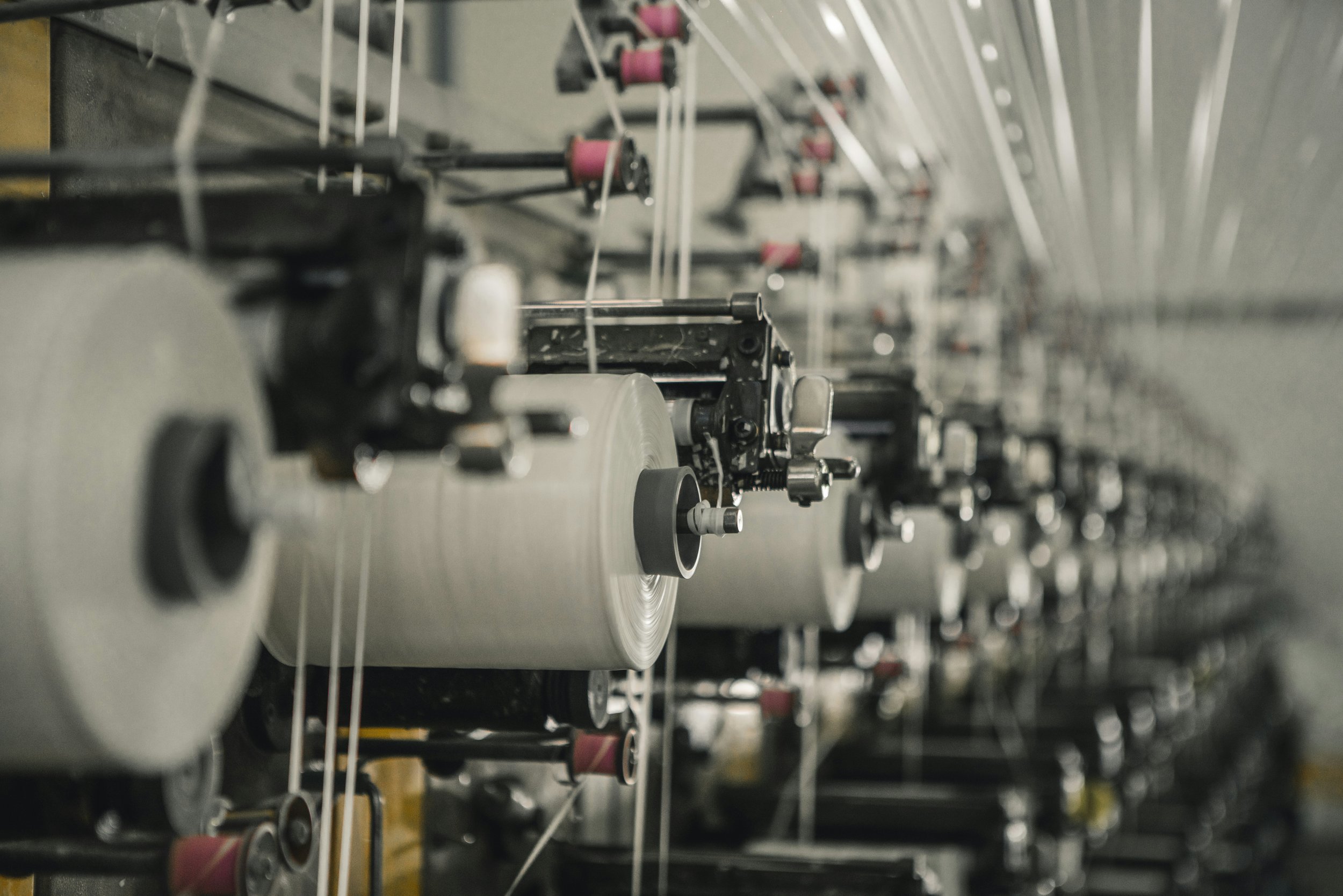
Sustainable textile weaving and yarn structure inspection for international apparel export