1. The Strategic Imperative of Viscose Blend Apparel in Global Fashion Procurement
In modern global apparel manufacturing, Viscose Blend Apparel represents one of the fastest-growing categories across North American, European, and Asian fashion markets. Viscose—a regenerated cellulosic fiber derived from dissolved wood pulp—possesses silk-like softness, breathable breathability, high moisture absorbency, and an unrivaled fluid drape. However, 100% pure viscose exhibits structural limitations in mass-market commercial garments, including high wet-shrinkage rates, low wet-tensile strength, and a propensity to wrinkle during consumer wear.
To mitigate these physical vulnerabilities without compromising the luxurious handfeel and silhouette drape, textile engineers combine viscose with complementary natural, synthetic, and recycled fibers. By precision-engineering blend ratios, manufacturers create Viscose Blend Apparel that delivers superior tensile strength, enhanced dimensional stability, elevated pilling resistance, and improved wrinkle recovery, all while maintaining competitive fabric yield costs.
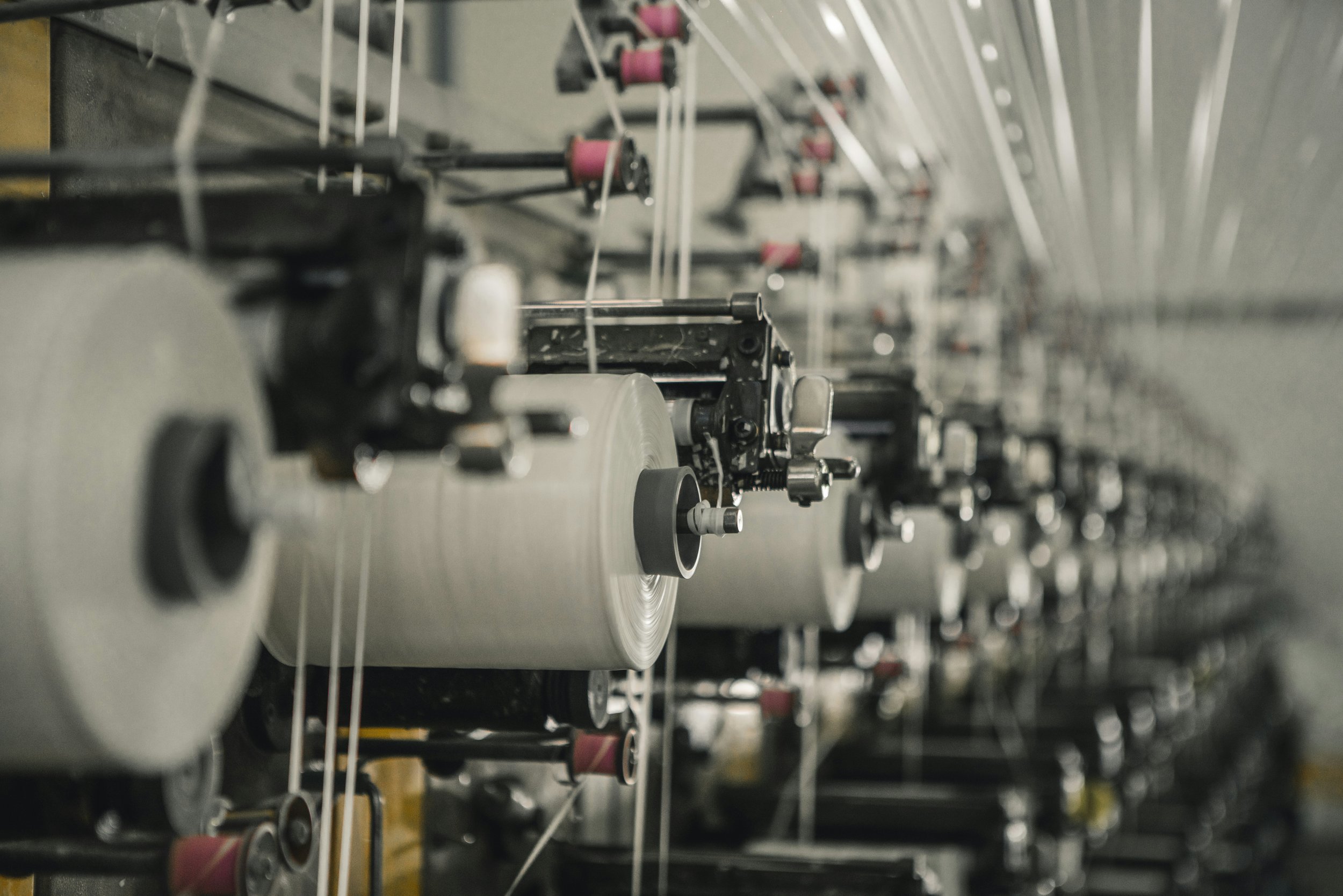
High-precision woven viscose blend textiles undergoing quality inspection and material testing.
Understanding Fiber Mechanics: Key Viscose Blends Comparison
Global apparel buyers and sourcing managers must evaluate how different fiber blends impact the mechanical properties and end-use suitability of garments. Below is an engineering overview of mainstream viscose matrix combinations utilized at KBK Exports:
- Viscose / Linen Blends (e.g., 70% Viscose / 30% Linen or 55% Linen / 45% Viscose): Linen provides organic slub texture, high tensile strength, and crisp breathability, while viscose softens linen's coarse feel and dramatically reduces harsh creasing. Ideal for spring/summer dresses, casual blazers, and relaxed trousers.
- Viscose / Cotton Blends (e.g., 60% Cotton / 40% Viscose): Combines the durable structure, heat tolerance, and easy maintenance of natural cotton with the smooth luster and drape of viscose. Reduces cotton stiffness and enhances color vibrancy after dyeing.
- Viscose / Polyester Blends (e.g., 65% Polyester / 35% Viscose): A staple for tailored career-wear, skirts, and trousers. Polyester contributes wrinkle immunity, tear strength, and wash-and-wear convenience, while viscose eliminates static cling and soft-touch breathability.
- Viscose / Elastane (Spandex) Blends (e.g., 95% Viscose / 5% Elastane): Predominantly utilized in jersey knits and stretch woven garments, offering body-contouring elasticity alongside fluid fluid movement.
| Blend Type | Typical Composition | Average GSM Range | Shrinkage Control (Warp/Weft) | Primary Garment Category |
|---|---|---|---|---|
| Viscose-Linen Slub Woven | 55% Viscose / 45% Linen | 140 - 195 GSM | < 3.0% (Post-Sanforized) | Resort Wear, Maxi Skirts, Summer Shirts |
| Viscose-Cotton Twill / Poplin | 50% Viscose / 50% BCI Cotton | 120 - 160 GSM | < 2.5% | Women's Blouses, Work Shirts, Day Dresses |
| Viscose-Polyester Crepe/Twill | 35% Viscose / 65% Recycled Poly | 180 - 260 GSM | < 1.5% (Heat-set) | Tailored Trousers, Suiting Blazers, Pleated Skirts |
| Viscose-Elastane Stretch Woven | 92% Viscose / 8% Elastane | 170 - 220 GSM | < 3.5% | Fitted Tops, Evening Wear, Bodycon Dresses |