
Industry Knowledge · Sourcing · Guides
Garment Manufacturing Blog & Insights
Expert articles on woven apparel production, BCI cotton, sustainable fabric sourcing, and private label tips.
Blog
Top Women Dresses Wholesale Bulk Suppliers Worldwide
Finding dependable Women Dresses Wholesale Bulk suppliers can shape a retailer’s margins, product range, and customer experience. The search reaches beyond price lists. Buyers also need clear sizing information, consistent fabric descriptions, realistic production timelines, and responsive communication. A soft cotton dress may look promising in a product photo, yet its stitching, color, and fit matter far more once cartons arrive.
This guide explores suppliers across major manufacturing and trading regions, with practical points for comparing their offers. It considers minimum order quantities, sample policies, customization options, shipping arrangements, and quality checks. Details vary by supplier. They also change over time. That matters. A low quoted price can hide costs such as sampling, packaging, or freight, so buyers should request written terms and confirm what each quote includes. Where possible, reviewing a sample before placing a larger order offers a clearer view of fabric weight, seams, and finishing. Still, one sample cannot guarantee every piece will match. That limitation deserves attention.
The aim is not to declare one supplier best for every business. A boutique seeking small seasonal runs may value flexibility, while a larger retailer may prioritize stable capacity and repeatable specifications. Compare evidence, ask direct questions, and keep records of agreed details. Some information can be difficult to verify from a website alone. Careful follow-up helps, though it takes time.
Read more »
 By:Ethan
- November 1, 2026
How to Source Sustainable Womens Fashion in Bulk?
Sourcing Sustainable Women Fashion Bulk requires more than choosing organic cotton or recycled polyester. It demands careful decisions across design, production, labor, packaging, and transportation. Buyers need suppliers who can explain where fibers originate and how garments are made. Clear answers matter.
In practice, begin with a focused supplier shortlist. Request recent audit reports, fiber certifications, factory addresses, production capacity, and minimum order quantities. Certifications such as GOTS, GRS, and OEKO-TEX can support evaluation, but they should be verified through official databases or issuing organizations. A polished certificate image is not enough. Ask for traceability records.
Check the details.
Order samples before committing to large quantities. Examine stitching, fabric weight, colorfastness, labels, and packaging. A supplier may describe a blouse as low-impact while using excessive plastic or unclear subcontracting. Discuss recycled mailers, consolidated shipping, and durable packaging in writing. Keep invoices, test reports, approvals, and delivery records together. These documents strengthen purchasing decisions and improve accountability.
Pricing also requires honest assessment. Ethical production may involve higher labor and material costs, while larger orders can reduce unit prices. However, low prices sometimes hide weak oversight or poor durability. That risk deserves attention. Sustainable Women Fashion Bulk should balance environmental goals, worker welfare, product quality, and commercial practicality. No sourcing plan is perfect. Certifications expire, supply chains change, and supplier claims can be incomplete. Regular reviews and direct communication help buyers correct mistakes before they become costly inventory problems.
Read more »
 By:Violet
- October 27, 2026
Top 10 Plus Size Women Clothing Wholesale Suppliers?
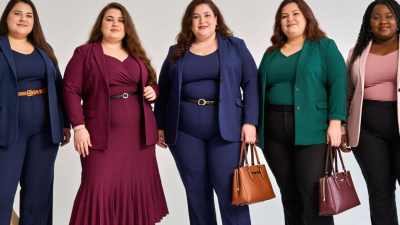
The Plus Size Women Clothing Wholesale market is expanding, but suppliers still face a serious fit and inventory challenge. Grand View Research valued the global plus-size clothing market at approximately $288.3 billion in 2023. Its report projects continued growth through 2030, supported by broader size acceptance and online retail adoption. These numbers are encouraging. They are not perfect, however, because market definitions and size ranges differ across research firms.
McKinsey’s State of Fashion reporting also highlights a growing demand for more inclusive product development. Many shoppers expect attractive designs, reliable measurements, and consistent availability beyond traditional size ranges. For wholesalers, this means more than adding larger labels. A successful range needs graded patterns, stronger seams, flexible fabrics, and clear measurement charts. A retailer should be able to inspect a 3X blazer, compare sleeve length, and reorder it without guessing.
Designer Christian Siriano has expressed the principle simply: “Fashion is for everyone.” That idea matters throughout the wholesale supply chain. Suppliers must turn inclusion into practical purchasing support, not just promotional language. The best partners provide low minimum order quantities, accurate samples, transparent production details, and dependable replenishment.
This Top 10 list examines those qualities closely. It considers product breadth, size consistency, wholesale terms, delivery performance, and communication. Evidence from industry reports can guide decisions, but real buyer experience still matters. A supplier may look impressive online and disappoint after one shipment. That uncomfortable possibility deserves attention.
Read more »
 By:Charlotte
- October 22, 2026
How to Source Women Casual Wear in Bulk?
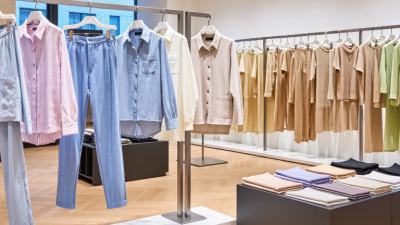
Sourcing women’s casual apparel in volume looks simple until fabric, sizing, quality, and delivery dates collide. Women Casual Wear Bulk purchasing requires more than finding a low unit price. It demands a repeatable process that protects fit consistency, margin, and customer trust. A practical buyer examines supplier capability, sample construction, minimum order quantities, and production records before discussing large quantities.
Market evidence supports this careful approach. The McKinsey and Business of Fashion State of Fashion 2025 report describes continued pressure on fashion consumers, with value and product relevance shaping purchasing decisions. Buyers therefore need casual styles that feel current but remain commercially dependable. Euromonitor International’s consumer research also emphasizes changing expectations around quality, convenience, and responsible purchasing. These expectations affect cotton shirts, relaxed trousers, knit sets, and everyday dresses alike.
Materials deserve equal attention. Textile Exchange’s Materials Market Report 2024 reported that global fiber production reached about 124 million tonnes in 2023. Polyester remained the dominant fiber, while recycled alternatives continued gaining attention. However, a recycled label alone does not prove responsible sourcing. Documentation, composition testing, and supplier transparency still matter. Ask for fabric specifications.
A spreadsheet can still mislead.
Experienced sourcing teams compare at least three factories, inspect pre-production samples, and test shrinkage after washing. They also confirm measurement tolerances in writing. Small details matter: a twisted side seam, uneven button spacing, or a waistband that loses recovery can create expensive returns. Mistakes happen, and the best buying process leaves room to question assumptions before committing to a full order.
Read more »
By:Charlotte
- October 17, 2026
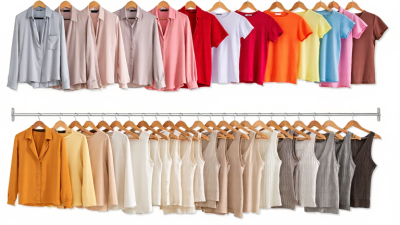
10 Best Custom Womens Fashion Tops Suppliers
Finding reliable Custom Womens Fashion Tops suppliers requires more than comparing catalog photos and low prices. A polished website may show silky blouses, cropped shirts, or ribbed knit tops, yet the real test appears in fabric samples, stitching, sizing, and communication. This guide explores ten suppliers that may support private labels, boutique collections, and growing fashion brands.
Quality begins with evidence. We consider material options, minimum order quantities, customization services, sample policies, production experience, and documented quality procedures. A supplier should explain fabric composition clearly, from cotton percentages to stretch recovery. Clear measurements matter too. One uneven shoulder seam can affect an entire retail batch. Responsible sourcing, transparent lead times, and responsive customer service also deserve close attention.
No supplier fits every business. A small boutique may need flexible quantities, while an established brand may prioritize grading consistency and factory capacity. Some companies look impressive but provide limited sample details. That deserves caution. The “best” choice depends on your market, budget, design complexity, and expected order volume. We recommend requesting current samples, reviewing size charts, confirming production timelines, and discussing acceptable defect standards before committing. These practical checks cannot remove every risk. They can, however, make supplier decisions more informed, measurable, and realistic.
Read more »
By:Ethan
- October 12, 2026
How to Find Wholesale Boutique Women Garments in 2026?
Finding reliable Boutique Women Garments Wholesale suppliers in 2026 requires more than comparing prices. Boutique owners must examine fabric quality, minimum order quantities, delivery performance, sizing consistency, and return policies. One late shipment can leave a store’s front rail looking empty.
The McKinsey & Company and The Business of Fashion State of Fashion 2025 report described a cautious market, with around 80% of fashion executives expecting conditions to remain difficult or worsen. This matters for boutique buyers. Customers still want fresh designs, but they are becoming more selective with spending. A supplier offering low prices may not provide dependable quality.
“Buy less, choose well, make it last,” advised fashion designer Vivienne Westwood. Her words remain useful when selecting wholesale garments. A durable linen blouse, reinforced seam, and accurate size chart can protect both customer trust and profit margins.
Experienced buyers should request samples before placing larger orders. They should inspect stitching under bright store lighting. They should also test whether colors match the supplier’s online photographs. Small details reveal bigger problems.
Yet, the process is not perfectly predictable. Sales data can suggest demand, but it cannot fully explain why one cream cardigan sells quickly while another remains untouched. The 2026 buyer must combine professional research with direct customer feedback, supplier communication, and careful testing. This guide explains how to evaluate Boutique Women Garments Wholesale sources with stronger evidence, clearer questions, and fewer expensive assumptions.
Read more »
By:Ethan
- October 7, 2026
How to Find High Quality Women Clothing Suppliers?
Finding reliable suppliers for High Quality Women Clothing requires more than attractive product photos. A professional sourcing process examines fabric, construction, compliance, communication, and delivery performance. Suppliers may show polished catalogs, yet samples can reveal loose stitching, uneven hems, or inaccurate sizing. Small details matter.
Begin with a clear product brief. Specify fabric composition, measurements, color standards, packaging, and target quantities. Request current samples before discussing large orders. Inspect seams, zippers, buttons, lining, and care labels under natural light. Compare the sample with the supplier’s written specifications. A strong supplier should explain production methods, quality checks, minimum order quantities, and realistic lead times.
Ask for verifiable business information and relevant product certifications. Do not rely on logos placed on a website. Confirm whether documents apply to the exact factory and product category. Responsible suppliers should also describe labor standards, material traceability, and handling procedures. These points support ethical, lawful purchasing.
Communication is another useful test. Send specific questions and observe the response. Is it detailed, timely, and consistent? Vague promises deserve caution. So do unusually low prices.
A careful buyer should test a small order first. Measure delivery accuracy, defect rates, packaging, and after-sales support. Keep written records and photographs. This evidence helps compare suppliers objectively.
No supplier is perfect. Even experienced buyers can overlook seasonal capacity problems or unexpected fabric changes. Review every decision, and leave room for improvement. The best partnership develops through transparent checks, realistic expectations, and repeated performance—not one impressive sample.
Read more »
By:Charlotte
- October 2, 2026
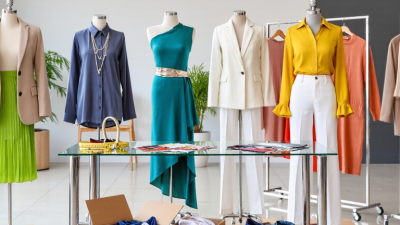
Where to Buy Trendy Womens Wear Wholesale in 2026?
Finding Trendy Womens Wear Wholesale in 2026 takes more than spotting attractive photos or low prices. Retailers need suppliers whose styles fit their customers, budgets, and selling seasons. This guide explores where to look, from wholesale marketplaces and manufacturer websites to regional trade shows and established sourcing networks. Each option has trade-offs. Online listings save time, but product images may not reveal fabric weight, stitching, or true color. A sample can tell you more.
Before placing a bulk order, check practical details: minimum quantities, size ranges, restock timelines, shipping costs, and return terms. Ask for current product photos and clear fabric specifications. Compare the quoted price with the landed cost, including freight and any applicable fees. A supplier’s fast replies are useful, but they do not replace written terms or a small test order. That lesson is easy to overlook.
The sections ahead outline ways to assess supplier reliability, compare wholesale channels, and choose pieces with realistic resale potential. Look for consistent sizing, useful product information, and communication that remains clear when you ask specific questions. Trends can change quickly, and no supplier can guarantee every item will sell. Start with evidence, not urgency. Even careful checks cannot remove every risk, so keep room in your budget for a choice that does not work as planned.
Read more »
By:Violet
- September 27, 2026
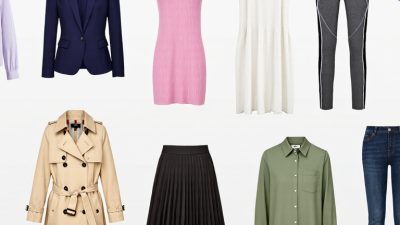
Top 10 Types of OEM Women Garments for Global Buyers
OEM Women Garments are becoming a strategic sourcing category, not merely a production option. The Business of Fashion and McKinsey’s State of Fashion 2025 describes a low-growth market with increasingly price-sensitive consumers. This pressure encourages global buyers to seek reliable factories, adaptable designs, and measurable cost control. A garment must fit the target customer, but it must also survive sampling, production, shipping, and repeated washing.
Material decisions are equally important. Textile Exchange’s Materials Market Report 2024 reports that global fiber production reached approximately 124 million tonnes in 2023. Polyester represented about 57% of total output. These figures show why buyers must examine fiber composition, recycled-content claims, traceability, and supplier documentation. A soft blouse, tailored blazer, or ribbed dress may look simple on a screen. Its real performance depends on fabric weight, shrinkage, seam strength, colorfastness, and grading accuracy.
This guide presents the top 10 types of OEM Women Garments for international buyers. It connects product choice with practical sourcing requirements, including tech packs, sample approval, minimum order quantities, inspection plans, and responsible compliance. No ranking is universal. A retailer selling linen dresses may value breathability, while a performance-wear brand may prioritize recovery and moisture management. That difference matters. This overview is useful, but not flawless; factory capability, regional regulations, and customer expectations can change the final decision. Clear specifications and honest supplier communication remain essential. Small details decide outcomes.
Read more »
By:Ethan
- September 22, 2026

China Top 10 Private Label Women Wear Manufacturers?
China’s private-label apparel sector is moving beyond low-cost production. It now combines design support, flexible sampling, fabric development, and traceable quality control. This shift makes the search for reliable Private Label Women Wear manufacturers more demanding.
The Private Label Manufacturers Association reported that U.S. store-brand sales reached approximately $236.6 billion in 2023. Circana also recorded continued private-label growth across major consumer categories. These figures do not measure women’s fashion alone, but they show stronger buyer confidence in retailer-owned labels. McKinsey and The Business of Fashion’s State of Fashion 2025 report describes cautious consumers, uneven recovery, and persistent cost pressure. Brands must therefore control price without making garments feel disposable.
Retail analyst Neil Saunders has said, “Private label has moved from being a price alternative to being a source of differentiation.” That idea matters in China’s manufacturing market. The strongest suppliers may offer pattern adjustments, fabric recommendations, low-to-medium minimum order quantities, and documented factory audits. They should also explain lead times clearly, from tech pack approval to final inspection.
This ranking is a practical starting point, not a final verdict. A manufacturer may look impressive online yet struggle with small-batch consistency. That gap deserves attention. Buyers should request recent samples, verify certifications, inspect stitching and shrinkage, and test communication before signing an order. Product category, target price, materials, and compliance requirements can change the result. The “top ten” should reflect your sourcing priorities, not marketing claims alone.
Read more »
By:Charlotte
- September 17, 2026
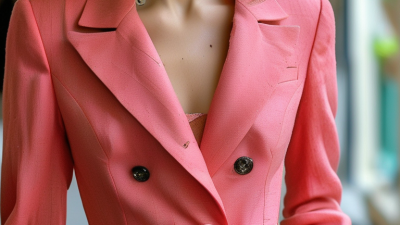
Top 10 Types of Custom Women Clothing for Global Buyers?
Global buyers are increasingly seeking garments that fit local tastes, body shapes, climates, and retail expectations. Custom Women Clothing answers that demand with flexible design, measured production, and clearer brand identity.
Fashion consultant Tim Gunn’s practical advice, “Make it work,” reflects the reality of international apparel sourcing. A successful custom order must balance creativity with fabric performance, sizing accuracy, minimum order quantities, and consistent quality control. These details matter when a lightweight linen dress reaches a humid market, or a tailored blazer must fit different body proportions.
This guide explores ten types of Custom Women Clothing that global buyers commonly request. It considers dresses, suits, activewear, outerwear, uniforms, and other commercially useful categories. Each type carries different decisions about materials, trims, construction, packaging, and seasonal demand.
Small details can change results. A soft waistband may improve comfort. A reinforced seam may reduce returns. A color that sells well in one region may appear unsuitable elsewhere. Buyer feedback remains essential.
No list is flawless. Markets change quickly, and even experienced sourcing teams can misjudge demand. Some buyers may also prioritize low prices too heavily, overlooking durability and ethical production standards. That trade-off deserves reflection.
The following overview uses practical sourcing considerations rather than passing trends. It is designed to help importers, retailers, private-label brands, and fashion entrepreneurs compare options more confidently. Reliable suppliers should still provide samples, measurement charts, material information, production timelines, and inspection procedures before large-scale manufacturing begins.
Read more »
By:Charlotte
- September 9, 2026
What Are the Top Wholesale Women Fashion Garments Suppliers?
Finding reliable Wholesale Women Fashion Garments suppliers requires more than comparing product photos and price lists. Buyers must examine fabric quality, production capacity, sizing consistency, ethical standards, and delivery reliability. A supplier may display attractive dresses online, yet the finished garments could feel different under store lighting. Practical evaluation matters.
Experienced buyers usually request samples before placing larger orders. They inspect stitching, zippers, seams, labels, and color accuracy. They also compare measurements with the supplier’s size chart. Small differences can create costly returns. Ask for recent production photographs, factory details, quality-control procedures, and clear payment terms. Reliable suppliers answer specific questions without hiding important limitations.
Communication reveals a great deal.
The strongest Wholesale Women Fashion Garments suppliers often provide flexible minimum order quantities, stable production schedules, and transparent customization options. However, “best” depends on your market, budget, and sales channel. A boutique may need smaller batches and distinctive designs, while an online retailer may prioritize fast replenishment. Certifications can support credibility, but they should be verified rather than accepted at face value. Trade references, independent reviews, and documented shipment records offer useful evidence.
No supplier is perfect. Delays, color variations, or seasonal material shortages can still occur. A thoughtful sourcing process anticipates these problems and includes written quality standards, inspection points, and realistic deadlines. This guide examines leading supplier types and selection criteria, helping buyers make informed decisions based on evidence instead of attractive promises. Some recommendations may require further verification, because supplier performance can change over time.
Read more »
By:Charlotte
- September 9, 2026