Global buyers are increasingly seeking garments that fit local tastes, body shapes, climates, and retail expectations. Custom Women Clothing answers that demand with flexible design, measured production, and clearer brand identity.
Fashion consultant Tim Gunn’s practical advice, “Make it work,” reflects the reality of international apparel sourcing. A successful custom order must balance creativity with fabric performance, sizing accuracy, minimum order quantities, and consistent quality control. These details matter when a lightweight linen dress reaches a humid market, or a tailored blazer must fit different body proportions.
This guide explores ten types of Custom Women Clothing that global buyers commonly request. It considers dresses, suits, activewear, outerwear, uniforms, and other commercially useful categories. Each type carries different decisions about materials, trims, construction, packaging, and seasonal demand.
Small details can change results. A soft waistband may improve comfort. A reinforced seam may reduce returns. A color that sells well in one region may appear unsuitable elsewhere. Buyer feedback remains essential.
No list is flawless. Markets change quickly, and even experienced sourcing teams can misjudge demand. Some buyers may also prioritize low prices too heavily, overlooking durability and ethical production standards. That trade-off deserves reflection.
The following overview uses practical sourcing considerations rather than passing trends. It is designed to help importers, retailers, private-label brands, and fashion entrepreneurs compare options more confidently. Reliable suppliers should still provide samples, measurement charts, material information, production timelines, and inspection procedures before large-scale manufacturing begins.
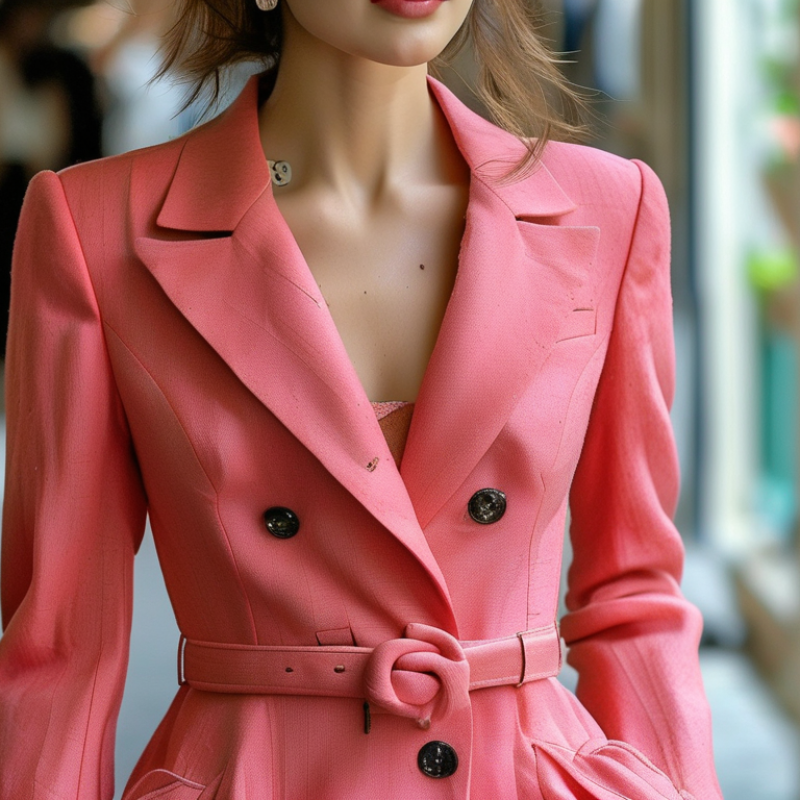
Custom Women’s Clothing: Definition, Scope, and Global Market Role
Custom women’s clothing refers to garments made according to a buyer’s design, measurements, materials, and quantity needs. The buyer may specify fabric weight, sleeve shape, color, trims, labels, and packaging. Its scope reaches small online collections, retail programs, uniforms, and seasonal product lines. Typical categories include dresses, blouses, shirts, skirts, trousers, denim wear, jackets, coats, activewear, and sleepwear.
These products serve different climates, body shapes, cultural preferences, and price levels. A technical pack can define stitching, measurements, and acceptable tolerances. For example, a summer dress may need breathable fabric, reinforced shoulder seams, and a stable waistband. Fit is not universal. A size medium in one market may feel narrow elsewhere. Fabric weight also affects comfort, shipping cost, and customer returns.
In global sourcing, buyers often assess production experience, sample accuracy, communication, and quality control. Reliable suppliers should provide clear material details, inspection records, and country-specific labeling information. Compliance is part of product value, not an afterthought. Mistakes happen. An approved sample may still reveal problems during bulk production, such as uneven hems or color variation. Careful buyers leave room for testing, correction, and honest review. Custom clothing therefore connects creative design with manufacturing discipline and regional market knowledge.
Top Ten Custom Women’s Clothing Types for International Buyers
International buyers need custom women’s clothing that balances fit, climate, cost, and delivery speed. The top ten categories are dresses, blouses, shirts, trousers, skirts, denim, knitwear, activewear, outerwear, and occasionwear. Each category serves a different buying situation. Lightweight linen dresses suit warm markets, while structured coats need stronger fabrics and precise grading. The State of Fashion 2025 report by McKinsey and The Business of Fashion forecasts only 2–4% global fashion growth in 2025. Buyers therefore need flexible designs, not excessive inventory. Fit remains the hard part.
Experience shows that a reliable supplier should provide measurement charts, fabric composition, graded patterns, and pre-production samples. Textile Exchange’s Materials Market Report 2024 states that polyester represented 57% of global fiber production in 2023, while recycled polyester remained a smaller share. This matters when buyers request lower-impact materials. A recycled fabric may change stretch, color, and sewing performance. I have seen teams approve attractive samples too quickly. That mistake often appears later at sleeve openings or trouser waistbands.
Tips: Request one sample in each key size. Test shrinkage after washing. Check color under natural light. Confirm fabric weight before ordering. Keep a written tolerance sheet for measurements. A small size set can reveal grading problems early, although it adds time and cost. International buyers should also review labeling, fiber claims, and packaging requirements for each destination market.
Top 10 Types of Custom Women's Clothing for Global Buyers
This comparative buyer-relevance index reflects common international customization use cases, including everyday wear, uniforms, activewear, occasion dressing, and seasonal collections. It is an editorial planning index rather than a market-share estimate.
Higher scores indicate broader suitability for international private-label, uniform, promotional, and fashion collection programs.
Materials, Sizing, Design, and Personalization Options
Top 10 Types of Custom Women’s Clothing for Global Buyers
Custom women’s clothing succeeds when four details meet: fabric behavior, body measurement, visual design, and controlled personalization. These choices matter across dresses, blouses, trousers, skirts, activewear, outerwear, loungewear, uniforms, maternitywear, and occasion pieces. Material selection should match use. Lightweight cotton suits breathable summer shirts, while elastane blends support fitted trousers and activewear. However, fiber content alone is not enough. Shrinkage, colorfastness, pilling, and seam recovery need testing before bulk production. Textile Exchange’s Materials Market Report 2024 records global fiber production at 124 million tonnes in 2023, with polyester at 57%. This scale makes lower-impact material planning commercially relevant, not decorative.
A dependable size chart begins with body measurements, not garment guesses. Use bust, waist, hip, shoulder, inseam, and height points, then publish clear measuring instructions. ISO 8559-1 provides a useful framework for defining anthropometric measurements. Still, regional bodies vary. A perfect size chart does not exist. Offer conversion charts, garment measurements, and tolerance ranges, such as ±1 centimeter where production allows. McKinsey’s 2021 Next in Personalization report found that 71% of consumers expect personalization, while 76% feel frustrated without it. This supports monograms, sleeve lengths, neckline changes, lining choices, and modest design adjustments. Do not promise everything. Each option increases sampling, inspection, and fit risk. A pilot order with real wearer feedback is safer than relying on a digital mock-up.
Custom Production, Sampling, Quality Control, and Order Workflow
Top 10 Types of Custom Women Clothing for Global Buyers
Custom Production, Sampling, Quality Control, and Order Workflow
Global buyers often source custom dresses, blouses, skirts, trousers, jackets, coats, knitwear, activewear, loungewear, and uniforms. Each category needs different measurements, fabrics, trims, and testing points. A fitted dress may require careful bust grading, while knitwear needs stretch recovery checks.
The workflow should begin with a complete tech pack. Include size charts, fabric composition, color references, artwork, stitching details, and packaging needs. A physical sample follows. Review seam strength, fit, comfort, lining, zipper movement, and wash performance. A first sample is rarely perfect. Small issues often appear only after movement or laundering.
Production should use an approved sample and signed measurement sheet. Inspect fabric before cutting, not after sewing. During assembly, check panels, needle marks, loose threads, and shade differences. Final inspection should measure garments from random cartons and compare them with approved standards. Photos and inspection records improve traceability. Still, quality control is not flawless. Human measurement errors happen. Time pressure can also hide weak decisions. Buyers should leave room for revisions, realistic lead times, and a documented approval process before bulk production.
Supplier Evaluation, Compliance, Pricing, and Global Shipping Factors
Custom women’s clothing can include dresses, blouses, shirts, skirts, trousers, denim, knitwear, activewear, outerwear, and sleepwear. For global buyers, supplier evaluation must go beyond attractive samples. Request a company profile, production photos, audit records, and recent customer references. Check whether the factory owns key processes or outsources them. Ask for a size-set sample, not only a single medium. Measure bust, waist, sleeve length, seam strength, and shrinkage after washing. Small differences become expensive at scale. That part is often underestimated.
Compliance should be documented before bulk cutting.
Confirm fiber composition, care labels, flammability rules, chemical restrictions, and destination-market requirements. Use independent laboratory testing for fabric, colorfastness, restricted dyes, and nickel in metal trims. Keep test reports linked to the exact fabric lot and approved sample. Pricing needs more than a unit quote. Compare fabric weight, pattern complexity, trims, packaging, inspection, payment terms, and minimum order quantity. Ask for a landed-cost estimate under clear shipping terms. A low price may hide weak stitching or costly rework. Weak stitching happens.
Global shipping planning
begins with carton measurements and realistic production dates. Confirm the product description, customs classification, commercial invoice, packing list, and country-of-origin information. Air freight suits urgent samples, while sea freight usually lowers costs for larger orders. Still, port delays can disrupt seasonal launches. Build buffer time. Use pre-shipment inspections with measurable standards, such as stitch density, shade tolerance, and measurement limits. An imperfect forecast is better than false certainty. Review freight quotes when fuel costs, exchange rates, or carton quantities change.
Conclusion
Custom Women Clothing offers global buyers a flexible way to develop garments that match specific markets, customer preferences, and business goals. The category includes dresses, tops, shirts, blouses, skirts, trousers, jackets, activewear, loungewear, and coordinated sets. Buyers can select fabrics, colors, prints, measurements, silhouettes, trims, labels, and other personalization details to create products for different seasons, body shapes, and retail channels. Careful attention to material performance, size consistency, comfort, and design functionality is essential for building a reliable collection.
A successful custom production process usually begins with a clear technical brief, followed by pattern development, sampling, revisions, bulk manufacturing, and quality inspection. International buyers should assess suppliers based on communication, production capacity, craftsmanship, ethical practices, documentation, and quality-control systems. Pricing should be evaluated alongside minimum order quantities, sampling costs, packaging, payment terms, lead times, and shipping arrangements. By planning specifications clearly and verifying each stage, buyers can reduce production risks and establish a dependable global supply workflow.