Garment Manufacturing Blog & Insights
Expert articles on woven apparel production, BCI cotton, sustainable fabric sourcing, and private label tips.
Apparel Sourcing & Pattern Development
In-depth insights into garment tech packs, pattern engineering, and private label production workflows.
Sustainable Textile Sourcing Trends
Navigating eco-friendly fabrics, recycled polyester blends, and compliance for international fashion markets.
Top 10 Types of OEM Women Garments for Global Buyers
Table of Contents
- Market Scope and Definition of OEM Women’s Garments
- Top Categories of OEM Women’s Apparel for Global Buyers
- Key Fabric, Fit, and Design Features by Garment Type
- OEM Production Standards, Customization, and Quality Control
- Sourcing, Compliance, Pricing, and Supplier Evaluation Criteria
- FAQS
- Conclusion
- Related Posts
OEM Women Garments are becoming a strategic sourcing category, not merely a production option. The Business of Fashion and McKinsey’s State of Fashion 2025 describes a low-growth market with increasingly price-sensitive consumers. This pressure encourages global buyers to seek reliable factories, adaptable designs, and measurable cost control. A garment must fit the target customer, but it must also survive sampling, production, shipping, and repeated washing.
Material decisions are equally important. Textile Exchange’s Materials Market Report 2024 reports that global fiber production reached approximately 124 million tonnes in 2023. Polyester represented about 57% of total output. These figures show why buyers must examine fiber composition, recycled-content claims, traceability, and supplier documentation. A soft blouse, tailored blazer, or ribbed dress may look simple on a screen. Its real performance depends on fabric weight, shrinkage, seam strength, colorfastness, and grading accuracy.
This guide presents the top 10 types of OEM Women Garments for international buyers. It connects product choice with practical sourcing requirements, including tech packs, sample approval, minimum order quantities, inspection plans, and responsible compliance. No ranking is universal. A retailer selling linen dresses may value breathability, while a performance-wear brand may prioritize recovery and moisture management. That difference matters. This overview is useful, but not flawless; factory capability, regional regulations, and customer expectations can change the final decision. Clear specifications and honest supplier communication remain essential. Small details decide outcomes.
Market Scope and Definition of OEM Women’s Garments
OEM women’s garments are clothing products manufactured to a buyer’s specifications, measurements, materials, and quality standards. The buyer may provide a technical pack, sample, artwork, or complete product concept. The factory then develops patterns, sources approved fabrics, produces samples, and manages bulk manufacturing.
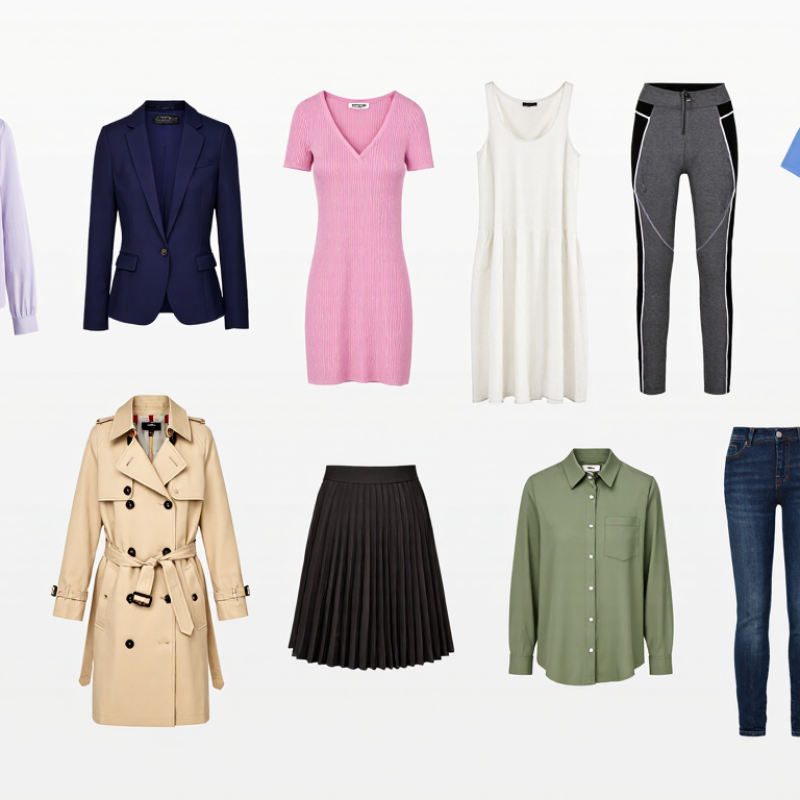
The market scope includes dresses, blouses, shirts, skirts, trousers, denim, knitwear, outerwear, activewear, and sleepwear. These categories serve retailers, online sellers, uniform programs, and private-label distributors across different regions. A useful definition should cover design adaptation, fabric selection, size grading, sewing, finishing, packaging, and shipment preparation. It should not include unrelated accessories unless the purchasing agreement clearly includes them.
Details matter. A buyer may request a 180-gram cotton jersey, reinforced shoulder seams, matte buttons, and recyclable folding boards.
Regional requirements can also affect fiber labels, care instructions, chemical testing, flammability rules, and documentation. Experienced sourcing teams usually confirm these points before approving the pre-production sample. Small changes can alter the final cost.
Sizing remains difficult. A medium in one market may feel narrow in another. Even careful size charts can miss customer preferences. This is where wear trials, measurement checks, and production inspections become valuable.
OEM work is not simply printing a logo on clothing; it is controlled product development with shared responsibility. The definition is broad, but it should remain precise enough for quotations, sampling, compliance reviews, and quality claims.
Top Categories of OEM Women’s Apparel for Global Buyers
Global buyers are widening their OEM women’s apparel portfolios beyond basic dresses. The strongest categories include T-shirts, blouses, dresses, skirts, trousers, denim, activewear, lingerie, knitwear, and lightweight outerwear. Each category needs different factory controls. A fitted dress requires accurate grading, while activewear demands stretch recovery and colorfastness testing. The State of Fashion 2025 report from The Business of Fashion and McKinsey expects low single-digit industry growth, making dependable product development more valuable than excessive styles.
Material decisions also shape category performance. Textile Exchange’s Materials Market Report 2024 recorded global fiber production at about 124 million tonnes in 2023. It projects production could reach 160 million tonnes by 2030. Buyers should therefore request fiber traceability, recycled-content evidence, and shrinkage tests.
Cotton jersey suits everyday tops, while woven viscose can support soft blouses and flowing dresses. Specifications must match the garment’s real use.
Small details matter.
OEM teams should review tech packs, seam strength, measurement tolerance, and packaging before bulk production. Lingerie needs careful elastic recovery and skin-contact testing. Knitwear needs pilling assessment and dimensional stability. Outerwear requires zipper performance and rain resistance. Reports offer useful direction, but forecasts are not factory instructions. A category may look profitable yet fail after washing, poor grading, or unstable fabric supply. Pilot orders and independent inspections remain practical safeguards for global buyers.
Key Fabric, Fit, and Design Features by Garment Type
Top 10 Types of OEM Women Garments for Global Buyers
Women’s OEM garments need clear fabric, fit, and design decisions. T-shirts usually use cotton jersey, modal, or recycled polyester. Blouses need fluid woven fabrics, clean seams, and stable collars. Shirts perform better with breathable poplin or lyocell. Dresses require drape, lining, and reliable size grading. Skirts need waistband recovery and controlled ease. Trousers depend on stretch, pocket strength, and balanced rise. Jeans require durable denim and consistent wash testing. Leggings need four-way stretch and squat coverage. Knitwear needs yarn strength and careful shrinkage control. Outerwear needs water resistance, insulation, and ergonomic sleeves.
Textile Exchange’s 2024 Materials Market Report states that global fiber production reached 124 million tonnes in 2023. Polyester represented about 57% of total output. This figure supports polyester’s practical role in activewear and outerwear, but it does not solve every sourcing concern. Fabric hand feel can still disappoint. Fit remains market-specific. A relaxed size in one region may feel narrow elsewhere. Real wear tests are essential.
Tips: Request fabric swatches, wash reports, and measurement charts before sampling. Test seam slippage on blouses and trousers. Check opacity under daylight for leggings and dresses. Ask factories to document shrinkage after washing. One sample is not enough. A second fitting often reveals sleeve drag, tight armholes, or an uneven hem. Forecasting data helps, but hands-on inspection remains more reliable.
Top 10 Types of OEM Women Garments for Global Buyers - Key Fabric, Fit, and Design Features by Garment Type
| Garment Type | Common Fabric Options | Typical Fabric Weight | Typical Fit | Key Design and Construction Features | Common Size Range | Suitable Product Positioning |
|---|---|---|---|---|---|---|
| Women’s T-Shirt | Cotton jersey, cotton-modal, organic cotton, cotton-polyester blend | 140–220 g/m² | Regular, relaxed, or oversized | Crew or V-neck, shoulder tape, double-needle hems, screen print, embroidery, or heat-transfer decoration | XS–3XL; extended sizes can be developed | Everyday basics, promotional apparel, casual collections, and private-label essentials |
| Women’s Blouse | Viscose, polyester crepe, cotton poplin, silk or recycled-polyester blends | 80–150 g/m² | Regular, relaxed, or semi-fitted | Collar or collarless neckline, button placket, darts, pleats, cuffs, gathers, and optional lining | XS–2XL; petite and plus-size grading available | Officewear, contemporary fashion, modest clothing, and transitional-season collections |
| Women’s Casual Dress | Viscose, cotton poplin, linen blends, jersey, and polyester woven fabrics | 110–220 g/m² | A-line, fit-and-flare, straight, or relaxed | Midi or mini length, waist seam, side pockets, concealed zipper or buttons, optional lining, and adjustable straps | XS–3XL; length and proportion should be graded by size | Resortwear, daily fashion, occasion capsules, and seasonal womenswear ranges |
| Women’s Hoodie or Sweatshirt | Cotton fleece, French terry, cotton-polyester fleece, and recycled-polyester blends | 260–420 g/m² | Relaxed, oversized, or cropped | Ribbed cuffs and hem, kangaroo pocket, drawcord hood, drop shoulders, brushed or unbrushed interior, and appliqué or print graphics | XS–3XL; oversized patterns require separate measurement control | Streetwear, athleisure, loungewear, campus apparel, and cold-season layering |
| Women’s Leggings | Nylon-spandex, polyester-spandex, recycled nylon, and cotton-spandex jersey | 180–300 g/m² | Close-fitting with high, mid, or low rise | Four-way stretch, gusset option, flatlock seams, wide waistband, squat-coverage testing, and moisture-management finishes | XS–3XL; stretch recovery and body measurements must be validated | Yoga, training, running, athleisure, and everyday comfortwear |
| Women’s Denim Jeans | Cotton denim, stretch denim with elastane, lyocell blends, and recycled-cotton denim | 280–420 g/m² | Skinny, slim, straight, wide-leg, or relaxed | Five-pocket construction, metal rivets, belt loops, fly zipper or buttons, enzyme wash, stone wash, or garment dye | Waist 24–38 inches; custom grading by target market | Core denim programs, contemporary casualwear, workwear-inspired ranges, and seasonal silhouettes |
| Women’s Activewear Set | Polyester-spandex, nylon-spandex, recycled polyester, and seamless polyamide blends | 180–280 g/m² | Supportive, body-contouring, or relaxed performance fit | Sports bra with removable cups, high-rise leggings or shorts, flat seams, stretch panels, reflective details, and sweat-wicking finish | XS–3XL; support level and compression should be specified | Gymwear, studio training, running, dance, wellness, and performance lifestyle collections |
| Women’s Skirt | Polyester, viscose, cotton twill, denim, satin, chiffon, and stretch woven fabrics | 100–300 g/m² | A-line, pencil, pleated, wrap, or tiered | Elastic or fixed waistband, side or back zipper, pleats, vents, pockets, lining, and adjustable wrap fastening | XS–3XL; waist and hip ease should be confirmed during sampling | Officewear, casual fashion, modestwear, occasion dressing, and holiday collections |
| Women’s Blazer | Poly-viscose, wool blends, cotton twill, linen blends, and stretch suiting fabrics | 220–380 g/m² | Tailored, semi-fitted, relaxed, or double-breasted | Notched or peak lapels, shoulder structure, welt or flap pockets, sleeve vents, lining, fusible or sewn interlining, and single or double buttons | XS–2XL; chest, shoulder, and sleeve balance require careful fitting | Workwear, smart casual, suiting separates, travel wardrobes, and premium contemporary apparel |
| Women’s Lightweight Jacket | Nylon, polyester taslan, recycled polyester, softshell, and cotton-nylon blends | 70–180 g/m² for shell fabrics | Regular, relaxed, cropped, or utility fit | Water-repellent finish, zip or snap closure, hood, adjustable cuffs, drawcord hem, storm flap, mesh lining, and secure pockets | XS–3XL; layering allowance should reflect the intended climate | Outdoor lifestyle, travelwear, transitional seasons, rain-resistant casualwear, and urban utility collections |
Note: Fabric weights, measurements, composition, performance finishes, and size grading are typical development ranges and should be confirmed through approved samples, technical specifications, and target-market requirements.
OEM Production Standards, Customization, and Quality Control
Top 10 Types of OEM Women Garments for Global Buyers
OEM women’s garments include dresses, blouses, shirts, trousers, skirts, knitwear, outerwear, activewear, sleepwear, and lingerie. Each category needs different production controls. A fitted dress requires accurate grading and seam balance. Knitwear needs shrinkage testing and stable tension. Global buyers should approve a technical pack, measurement chart, fabric composition, and tolerance range before sampling. ISO 9001-based procedures can support traceability, but paperwork alone cannot guarantee quality. Experienced teams still check fabric rolls, stitching density, colorfastness, and metal accessories before bulk cutting.
Sustainability also affects OEM standards. Textile Exchange reported that global fiber production reached about 132 million tonnes in 2023, with further growth projected by 2030. This places pressure on material selection and waste control. WRAP research indicates that extending a garment’s active life by nine months can reduce its carbon, water, and waste footprints by around 20–30%. Buyers can request recycled or certified fibers, but claims must match transaction records and test documents. A perfect first sample is rare. We still find small fit problems after approval, especially across different size ranges.
Tips: Use a sealed reference sample, not only digital files. Inspect during fabric arrival, cutting, sewing, and packing. Set AQL limits in the purchase agreement, and require corrective-action photos with deadlines. Keep random shipment testing independent when possible. Lower prices may look attractive, yet weak inspection often creates higher return costs.
Sourcing, Compliance, Pricing, and Supplier Evaluation Criteria
Top 10 Types of OEM Women Garments for Global Buyers
OEM women’s garments include dresses, blouses, shirts, skirts, trousers, leggings, denim, knitwear, outerwear, activewear, and sleepwear. Each category needs different fabric tests, size controls, and production skills. Textile Exchange’s Materials Market Report 2024 estimates global fiber production reached 124 million tonnes in 2023. It may reach 160 million tonnes by 2030. Buyers should therefore request fiber origin, recycled-content evidence, and dyeing records before approving samples.
Compliance must cover labor conditions, chemical management, labeling, and product safety. The ILO emphasizes written contracts, wage protection, and safe workplaces across garment supply chains. A factory certificate alone is not enough. Review audit dates, corrective-action closure, worker interview methods, and subcontracting controls. For pricing, request a transparent cost sheet. Separate fabric, labor, trims, packaging, testing, overhead, and freight. Low prices often hide weak quality or unstable labor planning. This is not always true, but it deserves scrutiny.
Tips: Score suppliers across quality, capacity, compliance, communication, and delivery. Use weighted ratings, not instinct. Test one pilot order before committing volume. Inspect stitching, shrinkage, colorfastness, and carton packing. A supplier scorecard can still mislead when data is outdated. Recheck key evidence every season. According to Textile Exchange, polyester represented about 57% of global fiber output in 2023, so material claims require especially careful verification.
FAQS
Common categories include dresses, blouses, shirts, skirts, trousers, denim, knitwear, activewear, sleepwear, lingerie, and lightweight outerwear. Each category needs different factory controls. A fitted dress needs accurate grading and balanced seams. Activewear needs stretch recovery and colorfastness testing. Knitwear needs pilling and shrinkage checks.
Match the fabric with the garment’s real use. Cotton jersey works well for everyday tops. Woven viscose can support soft blouses and flowing dresses. Lingerie needs reliable elastic recovery and skin-contact testing. Outerwear may require rain resistance and strong zippers. Fabric choice can still fail after washing.
Approve a technical pack, measurement chart, fabric composition, tolerance range, and packaging instructions. Include seam details and accessory requirements. Use a sealed reference sample, not digital files alone. Details matter here.
Inspect fabric rolls before cutting. Check measurement accuracy, stitching density, seam strength, shrinkage, and colorfastness. Review production during fabric arrival, cutting, sewing, and packing. Test metal accessories and carton packing. A good sample does not guarantee perfect bulk goods.
Request fiber origin records, recycled-content evidence, dyeing documents, and relevant test reports. Confirm that claims match transaction records. Check waste-control practices during cutting and production. A certificate alone is not enough. Evidence can become outdated.
Review labor conditions, written contracts, wage protection, workplace safety, chemical management, labeling, and product safety. Check audit dates and corrective-action closure. Ask about worker interviews and subcontracting controls. Review evidence every season. Compliance reviews are never fully finished.
Request a transparent cost sheet. Separate fabric, labor, trims, packaging, testing, overhead, and freight. Compare quality, capacity, compliance, communication, and delivery together. Low pricing may hide unstable planning or weak inspection. Not always, but investigate.
A pilot order reveals fit, washing performance, delivery reliability, and packing problems. Use independent shipment testing when possible. Set acceptable quality limits in the purchase agreement. Require corrective-action photos with deadlines. Mistakes still happen. That is why rechecking matters.
Conclusion
This guide presents a practical overview of OEM Women Garments for global buyers, defining the market and explaining the main apparel categories available for customized production. It covers popular options such as dresses, tops, shirts, blouses, skirts, trousers, denim items, activewear, outerwear, sleepwear, and coordinated sets. For each category, buyers can evaluate fabric selection, garment fit, construction details, seasonal design direction, comfort, durability, and target-market preferences.
The article also explains essential OEM production standards, including size consistency, material testing, workmanship inspection, labeling, packaging, and quality-control procedures. It outlines how buyers can manage customization from initial specifications and samples to bulk manufacturing, while considering compliance requirements, responsible sourcing, production timelines, pricing structures, minimum order quantities, and supplier capacity. By comparing certifications, communication, transparency, quality records, and delivery performance, global buyers can identify reliable manufacturing partners and build efficient, consistent, and commercially suitable women’s apparel programs.
Blog Tags: