
Garment manufacturing blog insights and sustainable fashion apparel sourcing
Industry Knowledge · Sourcing · Guides

Garment Manufacturing Blog & Insights

Expert articles on woven apparel production, BCI cotton, sustainable fabric sourcing, and private label tips.

0%

Finding dependable Women Dresses Wholesale Bulk suppliers can shape a retailer’s margins, product range, and customer experience. The search reaches beyond price lists. Buyers also need clear sizing information, consistent fabric descriptions, realistic production timelines, and responsive communication. A soft cotton dress may look promising in a product photo, yet its stitching, color, and fit matter far more once cartons arrive.

This guide explores suppliers across major manufacturing and trading regions, with practical points for comparing their offers. It considers minimum order quantities, sample policies, customization options, shipping arrangements, and quality checks. Details vary by supplier. They also change over time. That matters. A low quoted price can hide costs such as sampling, packaging, or freight, so buyers should request written terms and confirm what each quote includes. Where possible, reviewing a sample before placing a larger order offers a clearer view of fabric weight, seams, and finishing. Still, one sample cannot guarantee every piece will match. That limitation deserves attention.

The aim is not to declare one supplier best for every business. A boutique seeking small seasonal runs may value flexibility, while a larger retailer may prioritize stable capacity and repeatable specifications. Compare evidence, ask direct questions, and keep records of agreed details. Some information can be difficult to verify from a website alone. Careful follow-up helps, though it takes time.
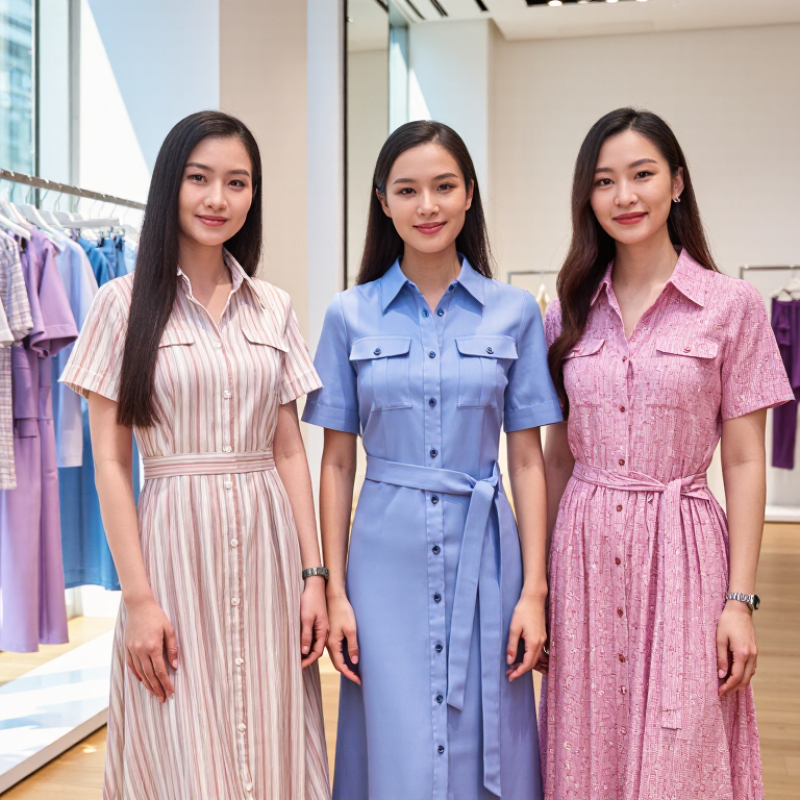
Top Women Dresses Wholesale Bulk Suppliers Worldwide

Global Women’s Dresses Market: 2024–2028 Growth Forecasts and Key Data

The global women’s dresses market is expected to expand from 2024 through 2028, supported by online shopping, changing workwear habits, and demand for occasion clothing. Published forecasts differ because researchers define the market in different ways. Some count only dresses; others include related apparel. Treat growth estimates as directional, not guaranteed. Forecasts are not promises.

For wholesalers, the shift is visible in practical buying decisions. Retailers may order smaller test runs, then replenish styles that sell. A lightweight cotton dress for warm-weather travel serves a different need than a lined, long-sleeved design for office wear. Fit, fabric feel, size consistency, and clear product photos can influence repeat orders. Inventory planning matters. A forecast cannot reveal which hemline will work in every region, and shipping delays or weak consumer spending can alter demand. Buyers should compare current sales data with supplier lead times and return patterns. Even a promising trend deserves a cautious trial. A small order may feel less efficient, but it can expose sizing problems before a larger commitment. Growth is real, yet uneven.

Top Women Dresses Wholesale Bulk Suppliers Worldwide

Global Women’s Dresses Market: 2024–2028 Growth Forecasts and Key Data

The global women’s dresses market is projected to expand from approximately USD 94.1 billion in 2024 to USD 110.6 billion by 2028, representing an estimated compound annual growth rate of about 4.1%. The forecast reflects rounded market-size estimates for women’s dresses worldwide and excludes individual company and brand sales.

Data basis: aggregated public apparel and fashion-market forecasts; values are rounded estimates in current USD.

Wholesale Supplier Types: Manufacturers, Wholesalers, and B2B Marketplaces

Buying women’s dresses in bulk requires more than comparing attractive catalog photos. Supplier type affects pricing, control, lead times, and risk.

Manufacturers usually offer stronger customization and direct production communication.

They can adjust fabric weight, sleeve length, sizing, and label details. However, minimum order quantities may be high. Request a physical sample before approving a large order. Check stitching, seam strength, color consistency, and measurement accuracy. A sample can reveal problems that images hide.

Wholesalers provide ready-made inventory and often support smaller trial orders.

This suits retailers testing floral dresses, workwear, or seasonal styles. Ask how often their stock changes. Old inventory may have faded colors or incomplete size runs.

I once focused too heavily on a low unit price. The fabric felt thin after inspection, and the expected margin disappeared.

B2B marketplaces offer broad supplier access and useful search filters.

They can help compare production regions, order quantities, certifications, and response times. Still, marketplace listings require independent verification. Review business documents, request recent product videos, and confirm shipping terms in writing. Do not rely only on platform ratings. Contact references when possible. A clear purchase agreement should cover specifications, inspection standards, delivery dates, and remedies for defects. Small mistakes happen, but vague terms make them expensive.

MOQ, Pricing, and Lead Times: Comparing Bulk Dress Sourcing Models

When comparing women’s dress suppliers worldwide, MOQ, pricing, and lead times reveal more than a quotation. Small-batch wholesalers may accept 50 to 100 pieces per style. Their unit prices are higher. This model suits trend testing, but color and size depth can be limited. Factory-direct sourcing often starts at 300 pieces, sometimes more. Prices improve with volume, yet fabric booking and production planning require discipline.

Ask whether the quoted price includes sampling, labels, packaging, inspection, and freight. A 12-dollar dress can become 18 dollars after these costs. Request a size breakdown, fabric composition, measurement chart, and defect policy before ordering. For repeat programs, negotiate by style family rather than one design. It can reduce cutting waste. Lead times commonly range from 20 to 45 days after approval, excluding fabric delays and holidays. In my sourcing experience, unapproved samples caused more delay than sewing capacity. That mistake was avoidable.

A trading intermediary may consolidate several workshops and reduce communication pressure. However, margins and production visibility can be less clear. Factory-direct orders offer stronger control, but require technical packs and regular quality checks. Build a timeline covering sample approval, fabric arrival, cutting, finishing, and shipment. Leave a buffer. The cheapest MOQ is not always the lowest-risk choice. Compare landed cost, reorder speed, consistency, and payment terms. Supplier comparisons should expose uncertainty, not hide it.

Supplier Evaluation: Quality Standards, Certifications, and Compliance Data

Top Women Dresses Wholesale Bulk Suppliers Worldwide

Supplier Evaluation: Quality Standards, Certifications, and Compliance Data

Reliable wholesale dress suppliers provide more than attractive samples. They should share measurable quality standards for fabric, stitching, sizing, colorfastness, and shrinkage. Ask for recent laboratory reports, inspection records, and production photos. A practical review should compare approved samples with packed garments. Small differences often reveal weak process control. I have found that seam strength and measurement accuracy matter most during bulk orders. Yet, sample quality can still mislead buyers.

Certifications require careful checking. Confirm the issuing organization, certificate number, scope, and expiration date. A certificate may cover a factory, not every product. Compliance data should include material composition, restricted substance testing, worker safety records, and corrective action history. Suppliers should explain how they protect customer data and update documents. Vague answers are a warning sign. Sometimes, missing paperwork reflects poor administration rather than poor manufacturing, but buyers should not assume this.

Tips: Request a pre-production sample and a random final inspection. Keep written tolerances for measurements, color, labels, and packaging. Check whether test reports match the current fabric batch. Ask for shipment records from comparable orders, without requesting confidential client details. Build a scoring sheet with quality, documentation, communication, and delivery performance. Recheck everything before payment. Mistakes happen, even with experienced suppliers. Your evaluation should leave room for honest uncertainty, not just polished promises.

Global Sourcing Regions: Export Trends, Logistics Costs, and Trade Risks

Women’s dress buyers should compare sourcing regions, not only quoted unit prices. East Asia remains strong in large-volume production, fast trend adaptation, and fabric variety. South Asia often offers competitive labor costs and flexible embroidery or embellishment work. Turkey serves nearby European markets with shorter transit times and responsive replenishment. Eastern Europe can reduce delivery distance, although production capacity may be narrower.

Export trends are shifting toward smaller trial orders and repeat purchasing. This reduces inventory pressure but may increase the factory’s unit cost. Sea freight usually provides the lowest cost per carton, while air freight supports urgent seasonal launches. A realistic landed-cost sheet should include freight, insurance, import duties, inspection fees, port handling, and inland delivery. A low factory quote can become expensive after arrival.

Trade risks require practical controls. Currency changes can affect final pricing within weeks. Port congestion, severe weather, and regional disruptions can delay delivery without warning. Buyers should request production calendars, recent export records, fabric details, and clear tolerance standards. Pre-shipment inspection remains useful, especially for color consistency, measurements, and stitching. Dual sourcing can protect supply, but it may create uneven quality between factories. No sourcing map is perfect. I would review it quarterly, because freight rates and trade rules rarely stay still.

FAQS

What MOQ is common for wholesale dress orders?

Small-batch suppliers may accept 50 to 100 pieces per style. Factory-direct orders often start around 300 pieces. Lower MOQ usually means higher unit pricing.

Why can a quoted dress price increase after ordering?

Sampling, labels, packaging, inspection, and freight may be excluded. A $12 dress can reach $18 after added costs. Check the landed cost.

What documents should buyers request before placing an order?

Request fabric composition, measurements, size breakdown, defect rules, and packaging details. Ask for current test reports. Old paperwork can mislead.

How long does bulk dress production usually take?

Production commonly takes 20 to 45 days after sample approval. Fabric delays and holidays may extend the schedule. Leave a buffer.

What causes avoidable delays in dress production?

Unapproved samples often delay production more than sewing capacity. Confirm measurements, colors, fabric, and labels before bulk cutting. This mistake is easy to overlook.

How can buyers compare small-batch and factory-direct sourcing?

Small-batch sourcing supports trend testing with fewer pieces. Factory-direct sourcing can lower unit costs and improve control. It usually requires better technical documents.

What quality checks matter most for bulk dresses?

Check seam strength, measurement accuracy, colorfastness, shrinkage, and fabric consistency. Compare packed garments with the approved sample. Small differences matter.

How should certifications and compliance documents be checked?

Verify the issuing organization, certificate number, scope, and expiry date. Confirm the certificate covers the relevant facility or product. Do not rely on attractive claims alone.

Should buyers use a trading intermediary or contact factories directly?

An intermediary may combine several workshops and reduce communication pressure. Production visibility and margins may be less clear. Direct orders offer control but need regular checks.

What should a supplier evaluation scorecard include?

Score quality, documents, communication, delivery, payment terms, and inspection results. Record uncertainties honestly. Polished promises are not proof.

Conclusion

This guide explores the global women’s dress market and its expected growth from 2024 to 2028, highlighting the factors that may shape demand, including changing consumer preferences, seasonal trends, and expanding online retail. It compares the main sourcing options—direct manufacturers, wholesale distributors, and B2B marketplaces—and explains how each model can differ in minimum order quantities, unit pricing, product selection, and production or delivery lead times. Buyers can use these factors to choose a sourcing approach that fits their budget and business needs.

The article also outlines practical ways to evaluate suppliers, from checking fabric quality and construction to reviewing relevant certifications and compliance documentation. It considers how sourcing regions influence export patterns, freight expenses, delivery schedules, and trade-related risks. By weighing these elements together, businesses can make more informed decisions about Women Dresses Wholesale Bulk purchasing, plan inventory more effectively, and build reliable supply arrangements for the global market.

Ethan

Ethan

Ethan is a professional marketing specialist with a deep understanding of the company’s products, customer needs, and evolving market trends. With a strong background in strategic communication, content development, and digital marketing, he regularly contributes insightful articles to the......