Garment Manufacturing Blog & Insights
Expert articles on woven apparel production, BCI cotton, sustainable fabric sourcing, and private label tips.

Apparel Sourcing & Pattern Development
In-depth insights into garment tech packs, pattern engineering, and private label production workflows.
Sustainable Textile Sourcing Trends
Navigating eco-friendly fabrics, recycled polyester blends, and compliance for international fashion markets.
Where to Buy Trendy Womens Wear Wholesale in 2026?
Table of Contents
- Understanding the Wholesale Women’s Wear Market in 2026
- Comparing Online Platforms, Trade Shows, and Direct Manufacturers
- Evaluating Wholesale Suppliers for Quality, Pricing, and Reliability
- Choosing the Right Sourcing Region and Product Categories
- Planning Orders, Shipping, and Inventory for Wholesale Purchases
- FAQS
- Conclusion
- Related Posts
Finding Trendy Womens Wear Wholesale in 2026 takes more than spotting attractive photos or low prices. Retailers need suppliers whose styles fit their customers, budgets, and selling seasons. This guide explores where to look, from wholesale marketplaces and manufacturer websites to regional trade shows and established sourcing networks. Each option has trade-offs. Online listings save time, but product images may not reveal fabric weight, stitching, or true color. A sample can tell you more.
Before placing a bulk order, check practical details: minimum quantities, size ranges, restock timelines, shipping costs, and return terms. Ask for current product photos and clear fabric specifications. Compare the quoted price with the landed cost, including freight and any applicable fees. A supplier’s fast replies are useful, but they do not replace written terms or a small test order. That lesson is easy to overlook.
The sections ahead outline ways to assess supplier reliability, compare wholesale channels, and choose pieces with realistic resale potential. Look for consistent sizing, useful product information, and communication that remains clear when you ask specific questions. Trends can change quickly, and no supplier can guarantee every item will sell. Start with evidence, not urgency. Even careful checks cannot remove every risk, so keep room in your budget for a choice that does not work as planned.
Understanding the Wholesale Women’s Wear Market in 2026
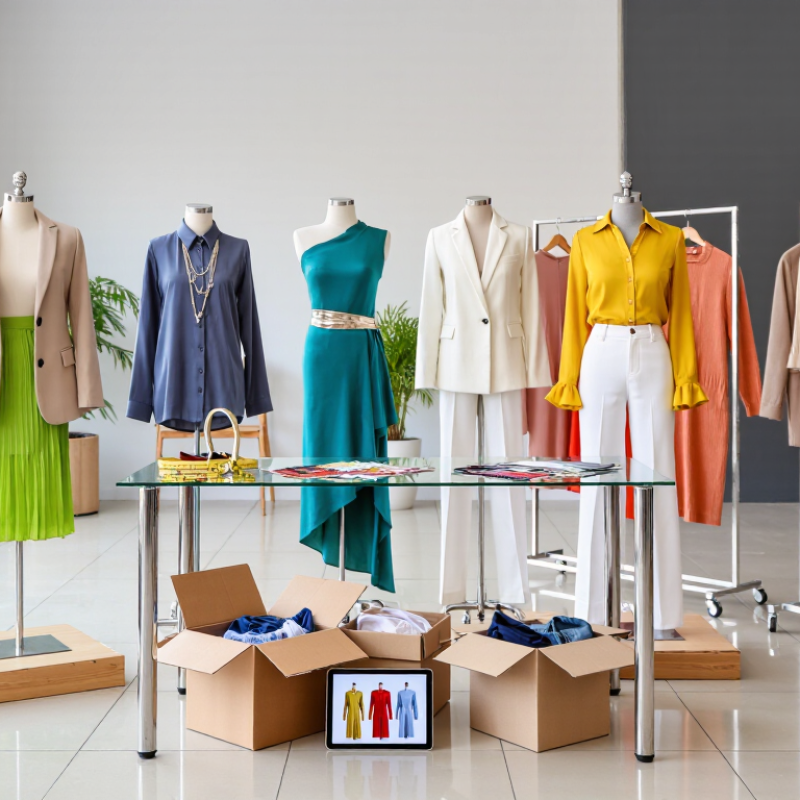
In 2026, the women’s wear wholesale market is shaped less by one dominant trend than by shifts in occasion, season, and price point. Buyers are balancing relaxed tailoring, versatile basics, and occasion pieces while checking that fabric quality and sizing stay consistent across repeat orders. Demand shifts quickly. A ribbed knit top may sell well in one color, while the same cut sits untouched in another. Small test orders can reveal that difference before a retailer commits to deeper stock.
Wholesale sourcing involves more than comparing unit prices. Review size charts, fabric composition, minimum order quantities, lead times, and restock policies together. Ask for current product photos and samples when construction details are unclear; stitching, lining, and color may look different in a catalog. Check how suppliers handle late shipments and defects, and keep written records of agreed specifications. These steps matter for both online shops and physical boutiques. Still, forecasts are imperfect. A careful buyer can misread a trend, especially when social attention outruns customer demand. Track sales by size and color, then adjust future orders using real results rather than assumptions.
Comparing Online Platforms, Trade Shows, and Direct Manufacturers
Online platforms make it easy to compare wholesale prices, minimum order quantities, and size ranges from one screen. The U.S. Census Bureau reported that e-commerce accounted for 16.1% of total U.S. retail sales in the fourth quarter of 2024. That figure describes retail, not wholesale, but it signals how important digital buying has become. Ask for current stock photos, fabric details, and a sample before placing a large order. Screen images can hide thin linings and uneven stitching.
Trade shows let buyers inspect seams, drape, and color under real lighting. They also make supplier conversations more direct, though travel and booth schedules can limit comparison time. Direct manufacturers may offer better control over labels, sizing, and repeat orders, but some require larger minimum quantities and longer lead times. McKinsey’s State of Fashion 2025 projected modest global fashion growth of 2–4% for 2025, reinforcing the value of cautious inventory planning. One weakness in any channel: a sample may not match the bulk shipment perfectly.
Tips: Request a written size chart, defect policy, and delivery estimate. Compare landed costs, not just unit prices. Start with a small test order. It may feel slow, but surprises are slower.
Evaluating Wholesale Suppliers for Quality, Pricing, and Reliability
A wholesale offer can look attractive until the first carton arrives. Compare fabric weight, fiber content, stitching, color consistency, and size measurements against a physical sample. Textile Exchange’s Materials Market Report 2024 estimated global fiber production at 124 million tonnes in 2023, up from 116 million tonnes in 2022. That expanding supply makes clear specifications essential; a fabric description alone cannot confirm how a finished garment will feel or wear.
Request a pre-production sample and written tolerances for measurements, shrinkage, and color variation. Ask whether the supplier checks goods before packing, and request recent inspection records where available. A sample can still flatter. Production sometimes tells a less tidy story. Test seams and wash a sample before placing a large order, especially for pieces with delicate trims or pale colors. Small inconsistencies can become costly across a full size run.
Compare total landed cost, not just the quoted unit price. Include freight, duties, packaging, payment terms, and the cost of defects or late delivery. McKinsey and Business of Fashion’s State of Fashion 2025 projected global fashion sales growth of 2–4% in 2025, making tight margin planning useful for buyers. Reliability also means clear lead times, prompt replies, and a workable reorder process. No scorecard removes risk. Keep notes on each delivery, including shade differences and actual arrival dates.
Where to Buy Trendy Womens Wear Wholesale in 2026? - Evaluating Wholesale Suppliers for Quality, Pricing, and Reliability
A practical comparison of supplier types, not named businesses. Minimums, prices, and delivery schedules vary by product, order size, and destination; verify current terms directly before purchasing.
| Supplier type | Typical order setup | Pricing considerations | Quality checks | Reliability signals | Best suited to |
|---|---|---|---|---|---|
| Domestic stock wholesalers | Often sell ready-to-ship inventory; some allow small, mixed-style orders. Minimums depend on the seller. | Usually higher unit costs than direct factory sourcing, but smaller orders can reduce upfront inventory spend and freight complexity. | Request fabric composition, size charts, garment measurements, and current product photos. Check return terms for defects. | Confirm live stock, dispatch cutoff, tracking, and the process for missing or damaged items. | Small retailers testing trends or replenishing popular styles quickly. |
| Importers and regional distributors | Typically purchase in bulk and resell available inventory; order minimums may apply by style, pack, or total spend. | Pricing can be more competitive than small-lot buying. Compare landed cost, including shipping, duties, and any handling fees. | Ask for samples or inspect a size run. Check stitching, color consistency, sizing tolerance, and labeling requirements. | Look for written stock confirmation, clear invoices, consistent delivery estimates, and documented claims procedures. | Retailers seeking a balance of bulk pricing and locally available stock. |
| Direct overseas manufacturers | Often require larger per-style or per-color quantities; custom production generally has higher minimums than ready-made stock. | Potentially lower unit prices at scale, but sampling, freight, import duties, payment fees, and production delays affect the final cost. | Approve a pre-production sample; document fabric, measurements, tolerances, color, and workmanship in the purchase order. | Use a written specification, staged approvals, payment protections, and a defined inspection plan before shipment. | Established retailers able to plan ahead and order larger quantities. |
| B2B wholesale marketplaces | A sourcing channel rather than a single supplier; minimums, fulfillment location, and policies vary by individual seller. | Easy to compare listed prices, but compare equivalent materials, pack sizes, shipping, taxes, and platform fees. | Review detailed specifications and recent product photos; order a sample when available before committing to bulk. | Check seller history, buyer feedback, response times, dispute rules, and whether payment is protected through the platform. | Buyers comparing multiple suppliers or trialing products in smaller quantities. |
| Off-price and closeout wholesalers | Often sell limited, assorted, or case-pack lots; size and color selection may be fixed, with little or no replenishment. | May offer low prices on available lots, but inspect the full assortment and account for slow-moving sizes or styles. | Request an itemized packing list and clear images. Confirm condition, size breakdown, and whether goods are new, returns, or irregulars. | Verify lot quantities, ownership documentation where relevant, shipment terms, and final-sale restrictions before payment. | Deal-focused buyers comfortable with assortment limits and irregular replenishment. |
Buying tip: Compare the total landed cost and request a sample or detailed product evidence before placing a large order. Treat quoted minimums and delivery estimates as supplier-specific, not industry-wide guarantees.
Choosing the Right Sourcing Region and Product Categories
Choosing a sourcing region starts with the product, not a map. The WTO’s World Trade Statistical Review 2023 identifies China, Bangladesh, and Vietnam as major clothing exporters, but each supplier’s capabilities vary. China can suit assortments needing varied fabrics and trims; Bangladesh is known for high-volume knitwear and basics; Vietnam offers established apparel production and synthetic-fabric options. India may fit cotton garments or detailed embroidery, while Turkey and Portugal can support shorter shipping routes for some European buyers. Verify factory capacity, minimum order quantities, sample quality, and delivery windows directly.
Product categories should match both demand and material availability. Textile Exchange’s Materials Market Report 2024 estimates that global fiber production reached 124 million tonnes in 2023, with polyester making up 57 percent. That scale makes polyester-rich tops and activewear widely producible, but it does not guarantee a responsible or suitable supplier. Ask for fabric composition, test documentation, and clear care-label details. For a first order, compare a few pieces—such as a cotton shirt, a woven dress, and a stretch top—rather than betting on one large trend.
Fit still matters. A low sample cost can hide inconsistent sizing or weak seams. Request graded measurements and inspect stitching around armholes, hems, and zippers. Small tests help. I would not treat any region as a shortcut: supplier-level checks often matter more than the country label. A promising range can still miss the mark when fabric hand-feel, color consistency, or restocking lead times are overlooked.
Planning Orders, Shipping, and Inventory for Wholesale Purchases
Wholesale orders work best when quantities follow demand, not excitement over a new silhouette. Build a size-and-color plan from recent sales, then test a smaller opening order before committing to depth. The National Retail Federation’s 2024 Retail Returns Report estimated that 16.9% of annual retail sales would be returned. That figure covers retail broadly, not women’s apparel alone, but it shows why clear size charts and pre-shipment quality checks matter. A few centimeters of fit variation can turn a promising style into slow-moving stock. No forecast is neat.
Before paying, request written production and dispatch dates, carton dimensions, shipping terms, and a clear process for damaged or incorrect goods. Ask whether styles can ship in separate batches; this can protect cash flow while keeping key sizes available. Set a reorder point using weekly sales and the supplier’s confirmed lead time, then add a modest buffer based on that shipping lane’s history. Track freight, duties, packaging, and handling in the landed cost, not just the unit price. McKinsey and The Business of Fashion’s State of Fashion reports describe continued cost and demand uncertainty across the industry, making flexible commitments valuable. I would still review the plan after the first delivery; paper forecasts often miss real customer preferences.
FAQS
They make it easy to compare prices, minimum order quantities, and size ranges on one screen. Request current stock photos, fabric details, and a sample before placing a large order.
You can inspect seams, fabric drape, and colors under real lighting. Conversations feel more direct, but travel and busy schedules can limit comparisons.
They may provide more control over sizing, labels, and repeat orders. Minimum quantities and lead times can be higher, though. Check the details.
Screen images can hide thin linings or uneven stitching. A sample helps you check the fabric and finish, but bulk goods may still differ.
Use recent sales to plan sizes and colors, then test with a smaller order. Excitement is not a forecast. Review the plan after delivery.
Request production and dispatch dates, carton dimensions, shipping terms, and a process for damaged or incorrect goods. A clear size chart matters, too.
Add freight, duties, packaging, and handling to the unit price. Compare landed costs, not just the price per item. Small costs add up.
Set a reorder point using weekly sales and the confirmed lead time. Ask about split shipments and keep a modest buffer based on past delivery performance. No forecast is perfect.
Conclusion
Trendy Womens Wear Wholesale in 2026 offers retailers a range of ways to find current styles, from online sourcing platforms and trade shows to working directly with manufacturers. Each channel has different advantages: online platforms can make it easier to compare options, trade shows allow buyers to assess products in person, and direct sourcing may provide closer communication about specifications and production schedules. The best approach depends on a retailer’s budget, product needs, and preferred level of supplier contact.
Before placing an order, compare suppliers for garment quality, clear pricing, dependable communication, and consistent fulfillment. Consider which sourcing regions and product categories suit your customers, then confirm order minimums, delivery estimates, shipping costs, and return or quality procedures. Start with a manageable order, plan inventory around seasonal demand, and leave enough time for shipping and potential delays. Careful research and realistic purchasing plans can help retailers source confidently while avoiding excess stock.

Blog Tags: