
Featured Cut & Sew Apparel Lines
Explore our high-demand international export lines engineered with certified fabrics, precision cut-and-sew craftsmanship, and low MOQ flexibilities for commercial collections.
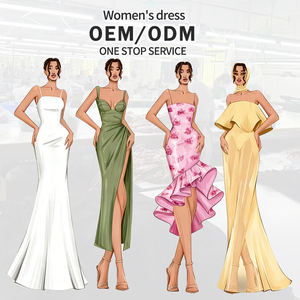
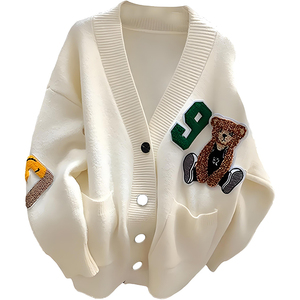
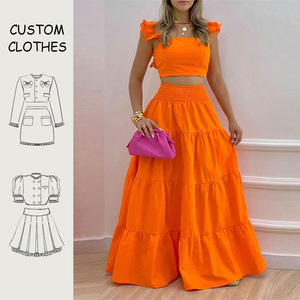
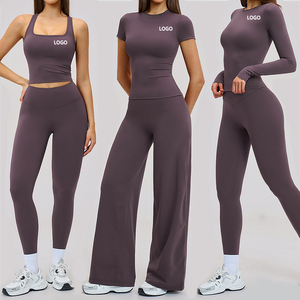
Executive Summary: The Evolution of Global Cut & Sew Apparel Procurement
In the hyper-competitive global apparel landscape, international fashion brands, importers, and private label retailers face unprecedented structural shifts. The global apparel sourcing dynamic has rapidly transitioned from sheer low-cost mass production to a highly technical, compliance-driven, and ESG-aligned manufacturing paradigm. As regulatory bodies across the European Union, North America, and Australia enact stringent statutory frameworks—including the EU Digital Product Passport (DPP), EU Deforestation Regulation (EUDR), and enhanced CE compliance mandates for protective and performance apparel—procurement teams must fundamentally re-evaluate their OEM/ODM supplier ecosystems.
As a specialized CE Certified Cut And Sew Women Apparel Manufacturer & Exporter headquartered in Sitapura Industrial Area, Jaipur, Rajasthan, India, KBK Exports operates at the nexus of technical precision, ethical labor practices, and sustainable textile engineering. Over the past decade, our facility has evolved from a traditional woven garment factory into an advanced, cross-functional garment development hub capable of producing up to 30,000 high-grade apparel units per month while maintaining strict compliance with ISO, OEKO-TEX Standard 100, BCI (Better Cotton Initiative), and CE technical benchmarks.
This industry whitepaper examines the core technical benchmarks of modern cut-and-sew women's apparel manufacturing, outlines strategic material sourcing trends for 2025–2030, addresses critical supply chain risk mitigations, and details how our integrated manufacturing model empowers global fashion brands to achieve superior market responsiveness without compromising on compliance, craftsmanship, or structural integrity.
CE Certification & Technical Safety
Full alignment with European protective and functional clothing standards (EN ISO 13688), ensuring non-toxic reactive dyeing, zero hazardous substances (REACH compliance), and verified seam tensile strength.
Precision Cut & Sew CAD Engineering
Digitized pattern drafting, automated marker nesting, and laser-guided fabric cutting to minimize material waste by up to 14% while ensuring dimensionally stable garment fits across full size runs.
Traceable Sustainable Fibers
Direct sourcing of BCI certified cotton, GOTS organic blends, Eco Viscose, Recycled Polyester (rPET), and high-tenacity Polyamide (PA) with documented chain of custody certification.
Deep-Dive: Technical Architecture of Cut & Sew Garment Manufacturing
Cut and Sew (C&S) apparel manufacturing represents the pinnacle of garment tailoring, requiring precise pattern engineering, raw fabric inspection, tension-controlled spreading, automated cutting, assembly sewing, and rigorous multi-stage quality assurance. Unlike fully knit seamless garments, cut-and-sew construction demands strict adherence to seam tolerances, stitch per inch (SPI) configurations, and fabric grain alignment.
1. Fabric Inspection and Pre-Shrinkage Processing
Every shipment of raw woven or knit fabric entering our Jaipur facility undergoes 4-Point System quality evaluation in accordance with ASTM D5430 standards. Fabric rolls are evaluated for linear defects, shade batching, skewness, and GSM weight consistency. Prior to cutting, natural woven fibers (such as linen, BCI cotton, and viscose blends) are subjected to controlled steam relaxation and pre-shrunk to achieve dimensional stability, ensuring that finished garments exhibit less than 2.5% residual shrinkage after industrial laundering.
2. Computer-Aided Pattern Drafting and Nesting
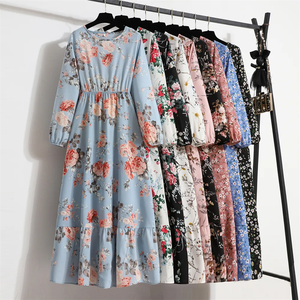
Using advanced 2D/3D CAD pattern-making software, our pattern engineering team translates client tech packs, sketches, or physical reference samples into precise digital grading rules. Automated nesting algorithms optimize marker efficiency, drastically reducing fabric scrap rates. This technical accuracy guarantees that complex garments—such as lantern-sleeve sweatshirts, tailored linen dresses, and ergonomic wide-leg yoga trousers—maintain proportion across XS through 3XL size spectrums.
3. Precision Sewing Assembly & Seam Engineering
Assembly takes place across modular production lines equipped with modern Juki and Pegasus high-speed sewing units, reverse sewing machines, 4-thread overlockers, and 5-thread safety flatlock machinery. Stitch densities are strictly calibrated based on fabric substrate:
- Lightweight Woven Fabrics (Linen, Viscose 100-140 GSM): 12 to 14 SPI using fine Nm 75/11 needles to prevent yarn severance and seam puckering.
- Mid-Weight Knits & French Terry (220-320 GSM): 10 to 12 SPI utilizing ballpoint needles and elasticized differential feed settings.
- Heavyweight Athleisure & Sweatwear (350+ GSM): Reinforced 5-thread flatlock seams with double-needle topstitching for enhanced tensile tear resistance exceeding 250 N.
Manufacturing Technical Standards & QC Parameters
| Technical Parameter | Standard Operational Specification | Quality Assurance Benchmark | Compliance Certification |
|---|---|---|---|
| Fabric Weight Tolerance | ± 3% nominal GSM variation | ASTM D3776 / ISO 3801 | OEKO-TEX Standard 100 |
| Color Fastness to Washing | Grade 4-5 (ISO Standard) | ISO 105-C06 test protocol | REACH Compliant Dyes |
| Seam Tensile Strength | > 220 N main seams | ISO 13935-2 Grab Method | CE Mark Compliance (EN ISO 13688) |
| Dimensional Stability | < 2.5% length/width change | ISO 6330 40°C wash cycles | AQL 2.5 Major / 4.0 Minor |
| Stitch Density (SPI) | 10 - 14 SPI depending on GSM | 100% In-line Digital Gauge Inspection | Internal Quality Audit Matrix |
Future Procurement Trends in Women's Cut & Sew Apparel (2025–2030)
The global women's fashion and lifestyle apparel sectors are experiencing unprecedented transformation driven by consumer demands for transparency, supply chain agility, and ecological accountability. Sourcing directors must navigate three macro trends defining the next decade of garment procurement:
1. Transition Toward Near-Zero Waste & Circular Materials
Linear "take-make-waste" apparel production is rapidly being replaced by circular material economics. Importers are increasingly prioritizing manufacturers that can process certified sustainable raw materials. BCI (Better Cotton Initiative) cotton, Recycled Polyester (rPET) derived from post-consumer ocean plastics, and FSC-certified Viscose are no longer optional premium upgrades—they are fundamental procurement prerequisites. At KBK Exports, our material pipeline integrates fully certified recycled fibers that maintain superior hand-feel, drape, and color saturation while cutting carbon footprint metrics by up to 35%.
2. Low MOQ Flexibility and Demand-Driven Micro-Batches
Traditional bulk apparel manufacturing forced brands to commit to massive minimum order quantities (1,000+ pieces per colorway), resulting in severe overproduction risks and deadstock markdowns. The future of fashion procurement lies in flexible, low MOQ OEM/ODM production models. By optimizing machine setup procedures and implementing lean manufacturing workflows, KBK Exports empowers emerging fashion labels and established enterprise importers to launch specialized capsule collections with accessible MOQs, enabling fast market testing and rapid re-order turnarounds.
3. Near-Real-Time Supply Chain Traceability & Digital Tech Packs
With upcoming EU legislation mandating Digital Product Passports, buyers require complete visibility into the secondary and tertiary tiers of their supply chain. Every stage—from raw yarn spinning and fabric weaving to dyeing, cutting, stitching, and finishing—must be fully documented. KBK Exports provides transparent batch documentation, mill certifications, and chemical safety compliance sheets for all international export orders.
Global Apparel Development Trends: What European and US Importers Demand
Product design in women's apparel is converging across performance, casual lifestyle, and high-street aesthetics. Based on current international buying data, key development trends include:
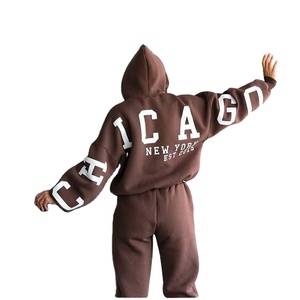
- Hybrid Athleisure & Multi-Functional Sets: Modern consumers expect garments to transition seamlessly from work-from-home environments to fitness studios. Products like our Two-Piece Yoga Sets and Wide-Leg Sportswear Trousers combine high-tenacity Polyamide/Spandex knits with ergonomic cut-and-sew paneling for maximum freedom of movement.
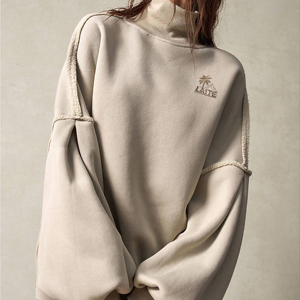
- Elevated Casual Lounge & Sweatwear: Heavyweight French terry and fleece sweatshirts featuring unique anatomical cuts—such as reverse sewing line lantern sleeves and mock-neck collars—are outperforming basic fleece silhouettes in European retail channels.
- Natural Fiber Tailoring (Linen & Eco Cotton): Breathable, textured natural fabrics are leading summer resort-wear lines. Custom linen-cotton blends offer luxurious tactile comfort, organic slub textures, and high durability for premium womenswear lines.
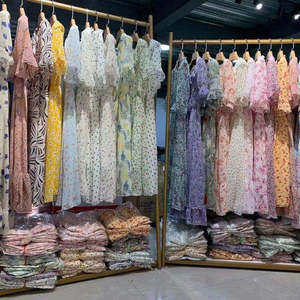
- Curated Stock Bales & Assorted Inventory Logistics: For high-volume importers servicing emerging retail markets in Southeast Asia and South America, mixed stock bales offer an immediate, cost-effective inventory solution for fast-moving retail channels.
Enterprise Superiority: Why Partner with KBK Exports (Jaipur, India)
Selecting the right garment contract manufacturer is the single most critical supply chain decision for fashion brands. KBK Exports combines decade-long manufacturing heritage with state-of-the-art industrial capabilities:
Jaipur Craftsmanship & Modern Technology
Situated in India’s textile heartland, we leverage century-old textile expertise combined with modern industrial automation, giving your brand an unparalleled competitive edge in fabric hand-feel, dyeing craftsmanship, and garment longevity.
100% In-House Dedicated Workforce
From initial fashion sketches, pattern digitizing, fabric sourcing, and proto-sampling to line assembly, thread trimming, iron pressing, and final AQL packing—our entire operation is executed in-house by trained apparel specialists.
Strict Quality Gatekeeping (AQL 2.5)
Our quality control engineers perform inline inspections at cut-part, mid-assembly, and final finishing phases. Zero tolerance for oil stains, loose threads, asymmetric seams, or out-of-spec dimensions ensures hassle-free port clearance and high customer satisfaction.
Frequently Asked Questions (Procurement FAQ)
Q1: What makes KBK Exports a CE-certified cut and sew apparel manufacturer?
Our factory operates in accordance with European technical safety and quality standards (EN ISO 13688). We ensure that all raw fabrics, dyeing agents, and trims comply with strict REACH regulations—meaning zero azo dyes, heavy metals, or carcinogenic chemical residues. Additionally, our garments undergo mandatory seam-strength and dimensional stability testing required for CE-compliant functional and lifestyle apparel exports to the European Economic Area (EEA).
Q2: What are your standard Minimum Order Quantities (MOQs) for OEM/ODM collections?
We offer highly flexible MOQ structures tailored to brand growth stages. For custom OEM/ODM woven and knit garments (dresses, sweaters, activewear, two-piece sets), our standard starting MOQ is as low as 100 to 300 pieces per style/colorway, allowing brands to test market demand without high capital exposure.
Q3: Can you provide sustainable and eco-certified fabric options?
Yes, absolutely. We specialize in BCI (Better Cotton Initiative) cotton, Eco-Cotton, GOTS Organic Cotton, Viscose/Cotton blends, Recycled Polyester (rPET), and Polyamide (PA). We supply complete fabric composition documentation and mill transaction certificates for export compliance.
Q4: What is your typical lead time from prototype sampling to final bulk shipment?
Sample development (including CAD pattern drafting and fit sample creation) typically takes 7 to 10 working days upon receipt of tech packs. Once pre-production samples (PPS) are approved, bulk production is executed within 30 to 45 days, depending on fabric availability and total order volume.
Q5: How do you guarantee size accuracy and quality control across large export runs?
We utilize automated CAD pattern grading to prevent manual measurement deviations across sizes. Quality control is governed by international AQL 2.5 Major / 4.0 Minor sampling inspection standards. Every garment is inspected for dimensional tolerances, stitch density, seam strength, and finishing before final carton packaging.
Q6: Do you support private label branding, custom packaging, and custom trims?
Yes, we offer full private label services. This includes custom woven neck labels, care tags, FSC-certified hangtags, custom polybags, branded elastic bands, customized zippers, and custom embroidered/printed logos according to your exact tech pack specifications.
Partner with India’s Premier Apparel OEM/ODM Manufacturer
Accelerate your next women's cut & sew apparel collection with CE-compliant manufacturing, transparent sourcing, and industry-leading quality control.
Get Catalog