
Curated High-End Apparel Catalog Showcase
Explore our flagship OEM/ODM production lines engineered for global fashion retailers, private labels, and luxury boutiques. Built upon certified compliance, precision technical pattern-making, and eco-conscious textile integration.
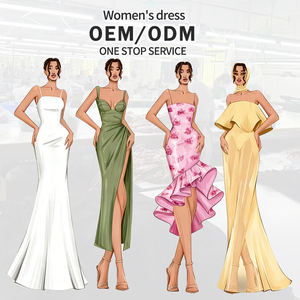
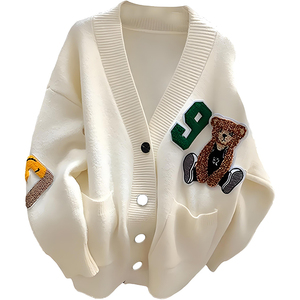
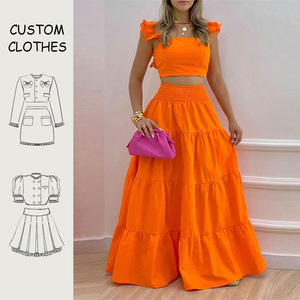
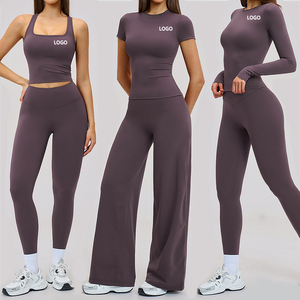
Executive Industry Overview: Re-Engineering Global Womenswear Supply Chains
In an era characterized by accelerated geopolitical realignments, stringent European Union consumer safety directives, and rising consumer demand for ethical transparency, navigating the global CE Certified High End Women Garments Bulk Factories & Factory ecosystem requires a paradigm shift. Procurement directors, brand founders, and institutional fashion buyers can no longer rely on conventional contract manufacturing. Modern apparel brands demand audited manufacturing hubs capable of balancing high-end technical craftsmanship, flexible Minimum Order Quantities (MOQs), and bulletproof regulatory compliance.
As an established manufacturing authority based in Jaipur, India—a global epicenter for artisanal textile heritage and modern garment engineering—our facilities combine traditional tailoring finesse with industrial-scale precision. Operating at a monthly throughput of 30,000 high-end units, we bridge the gap between boutique design ethos and high-volume commercial scalability. This whitepaper systematically breaks down the imperative criteria for selecting CE-compliant apparel factories, future-proofing your supply chain against legislative hurdles, and leveraging information-rich manufacturing workflows to secure maximum ROI.
Enterprise Core Competencies & Factory Capabilities
Our enterprise infrastructure is meticulously optimized to alleviate systemic risks common in cross-border textile sourcing. By consolidating every phase of apparel creation—from technical pattern drafting to post-production quality assurance—under a single centralized governance framework, we offer global partners unprecedented execution security.
Full Vertical Integration & Pattern Engineering
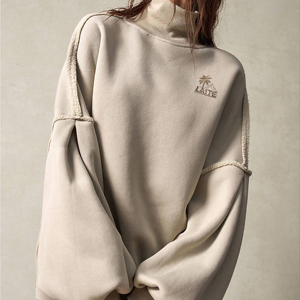
Our cross-functional operations integrate dedicated account managers, technical apparel designers, master pattern makers, and experienced cut-and-sew technicians. Utilizing CAD precision grading and digitized tech pack translation, we guarantee that complex silhouettes—ranging from structured lantern sleeves to delicate reverse-sewing mock necks—are executed with millimeter accuracy.
CE Certification & International Safety Standards
European regulatory frameworks demand strict chemical safety, AZO-dye elimination, heavy-metal restrictions (REACH), and physical garment durability standards. Our CE-aligned manufacturing processes ensure that bulk garments exported to European and Western markets pass stringent laboratory testing, eliminating customs clearance seizures and regulatory recalls.
Certified Sustainable Fabric Portfolio
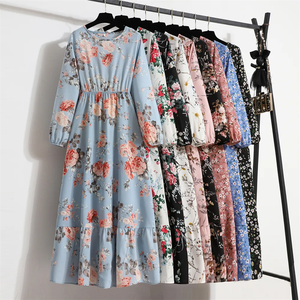
We specialize in low-impact, sustainable raw material sourcing, including Better Cotton Initiative (BCI) cotton, GRS-certified recycled polyester, high-tenacity polyamide blends, organic linen, and silky-soft viscose combinations. Our traceable supply chain provides complete material provenance documentation for environmental compliance audits.
Agile OEM/ODM & Scalable Capacity
Whether your brand requires low-MOQ rapid sampling runs to validate seasonal market trends or full-scale 30,000-unit monthly production cycles, our factory architecture provides scalable modular sewing lines. We balance high productivity with rigorous AQL 1.5 / 2.5 quality control inspection metrics.
Global Women's Apparel Procurement & Future Sourcing Trends
The global garment manufacturing landscape is undergoing a structural evolution driven by technological adoption, environmental regulations, and shifting consumer behavior. Fashion procurement executives must align their supply chains with the following macro-trends:
1. The Rise of Nearshoring and South Asian Manufacturing Hubs
While East Asian manufacturing centers remain high-volume players, international buyers are increasingly diversifying into South Asian hubs like India (specifically Jaipur and Tamil Nadu clusters). India’s unmatched native raw material base—accounting for a vast proportion of global organic cotton and premium woven textiles—offers a structural cost advantage without compromising on ethical labor standards or artisanal embroidery capabilities.
2. Mandatory Digital Product Passports (DPP) & EU Eco-Design Directives
Beginning in 2026, the European Union will enforce Digital Product Passports across textile categories. Every high-end women’s dress, suit set, or knitwear item imported into the EU will require verifiable data trails covering fabric origin, chemical compliance, carbon footprint, and recyclability. Bulk factories equipped with CE certification standards and digital supply chain mapping will become indispensable strategic partners.
3. Hybrid OEM/ODM Development & 3D Digital Sampling
Traditional fashion timelines requiring 6 to 9 months from sketch to store are obsolete. Modern apparel factories utilize 3D garment simulation tools (e.g., CLO 3D) alongside physical sampling to compress lead times down to 3–4 weeks. This enables agile re-orders and drastically reduces sample waste, aligning with lean inventory procurement philosophies.
Strategic Comparison: Traditional vs. Next-Gen CE Certified Sourcing
| Evaluation Vector | Legacy Bulk Manufacturing | Next-Gen CE Certified Jaipur Factory Model |
|---|---|---|
| Quality Control Standard | End-of-line random sampling (High defect risk) | 100% In-House Inline & Offline Inspection (AQL 1.5 / 2.5) |
| Regulatory Compliance | Basic export clearance without chemical tracking | Full CE Certification, REACH Compliance, & BCI Material Traceability |
| MOQ Flexibility | Rigid high-volume minimums (1,000+ units/color) | Agile low-MOQ prototype runs expanding seamlessly to 30,000+ units |
| Fabric Sustainability | Conventional synthetic blends, unverified origin | BCI Cotton, Eco-Viscose, GRS Recycled Poly, Linen/Cotton Blends |
| Product Development | Slow physical sample iterations (Months) | Digitized CAD pattern grading & rapid prototype sampling (Weeks) |
Industry Apparel Development & Fabric Science Trends
High-end womenswear is no longer defined strictly by aesthetic design; material performance, tactile comfort, and structural longevity are paramount. Our R&D department tracks emerging innovations across three core categories:
Woven Linen & Cotton Innovation
Linen-cotton blends are experiencing unprecedented growth in premium casual wear and resort collections. By blending natural flax linen fibers with long-staple BCI cotton, our technical weavers produce fabrics that combine the cool breathability of linen with the soft hand-feel and crease-resistance of premium cotton.
Technological Activewear & Athleisure Sets
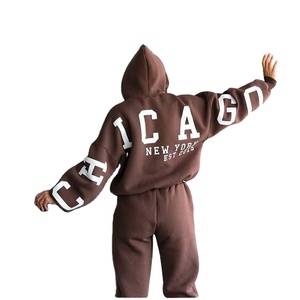
The crossover between performance wear and daily casual attire (e.g., 2-piece gym sets, wide-leg sports pants) requires advanced synthetic engineering. We employ reverse-sewing line techniques, high-spandex elasticity bonding, and moisture-wicking polyamide treatments to ensure dynamic range of motion without shape distortion.
Furthermore, our knitwear development division focuses on fine-gauge cardigan sweater manufacturing, utilizing automated flat-knitting technology capable of creating complex cable motifs, mock-neck collar structures, and lantern sleeves with zero fabric off-cut waste.
Frequently Asked Questions (Bulk Procurement FAQ)
Clear, authoritative answers to critical compliance, logistical, and technical queries posed by global procurement managers.
Partner with a Certified High-End Women Garments Factory
Elevate your fashion brand’s product quality, streamline your lead times, and guarantee CE regulatory compliance with Jaipur’s premier apparel manufacturing partner. Contact our technical engineering and account team today to receive a comprehensive product catalog, request fabric swatches, or initiate custom sample development.