
High-Demand Custom Embroidery Products
Explore our top-tier manufactured women's apparel line featuring advanced embroidery craftsmanship, sustainable fabrics, and precision sewing.
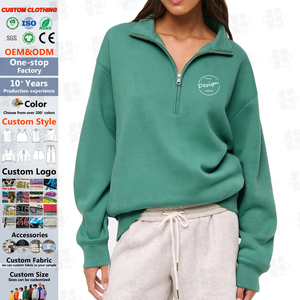
Custom Embroidery Logo Casual Oversized Quarter Zip Stand-neck Fleece Terry Cotton Hoodies Sweatshirt Pullover for Women
Inquire Now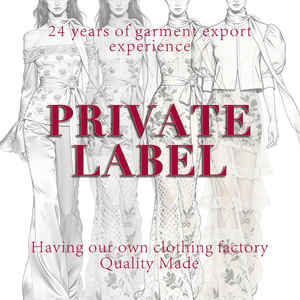
High-quality Casual Maxi Embroidered Lace Custom Factory OEM-ODM Private Label One-stop Services Luxury Washable Manufacturers
Inquire Now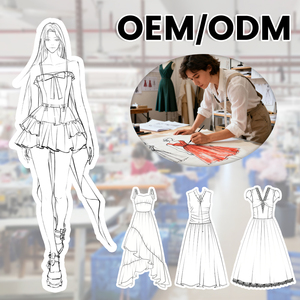
Custom Dresses OEM/ODM Service Fashion Design And Manufacturing For Womens Apparel
Inquire Now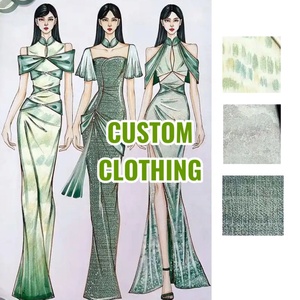
China High-Quality Brand Tailored Sewing Design Women's Custom Clothing Designer Service Manufacturer Garments Apparel
Inquire Now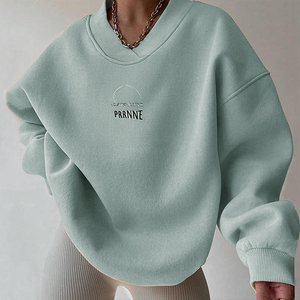
Clothing Manufacturer Custom Print Embroidered Loose Fit Polyester Cotton Sweatshirts Quiet Luxury Men's Women's Sweatshirts
Inquire Now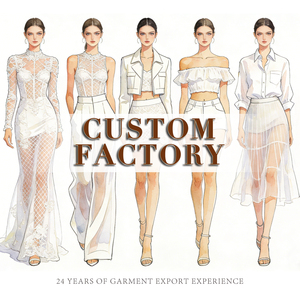
High Quality Clothing Manufacturers Apparel Suppliers Companies Brand Custom Wholesale OEM/ODM Women Dress For Designer Brands
Inquire Now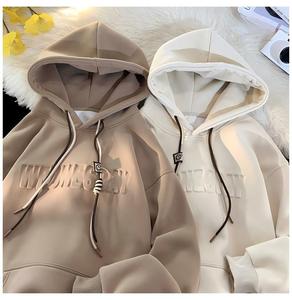
Oem New Trending Women's Streetwear Knitted Heavyweight Oversized 100% Cotton Casual Letter Embossed Sweatshirt
Inquire Now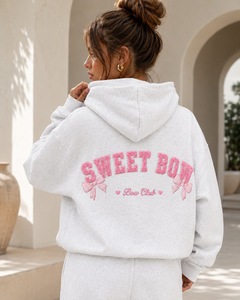
Custom Streetwear 100% Cotton Towel Applique Embroidery Patch Pullover Hoodie and Jogger Set Tracksuits for Women
Inquire NowExecutive Technical Whitepaper: The Evolution of Custom Embroidery Sourcing in China’s Apparel Ecosystem
In the contemporary global luxury and mid-to-high fashion landscape, China custom embroidery women apparel manufacturing has transitioned from labor-intensive manual stitching to high-precision computerized digital embroidery integrated with automated tension systems. Procurement executives, brand founders, and apparel importers face an increasingly complex technical environment where achieving seamless embroidery on delicate woven silks, high-GSM French terry, and elastane-blended knits requires meticulous engineering.
As consumer demand shifts toward "Quiet Luxury", intricate towel appliqués, 3D puff embroidery, and eco-friendly organic cotton threads, garment manufacturers must balance aesthetic complexity with structural integrity. Puckering, thread breakage, backing show-through, and shrinkage misalignment are critical failure points during mass production. This technical report provides commercial buyers with actionable guidelines to evaluate supply chain capabilities, material interactions, digitizing accuracy, and quality assurance benchmarks.
1. Digitizing Engineering & Needle-Fabric Dynamics
The foundation of exceptional apparel embroidery lies in file digitizing and stitch density calibration. Unlike standardized printing, embroidery imparts physical tension to textile fibers. A design with excessive stitch density on lightweight 120 GSM viscose fabric causes severe fabric distortion (puckering), while insufficient density on 400 GSM fleece results in stitches sinking into the loop structure.
Leading Chinese apparel manufacturers employ specialized digitizers who adjust pull compensation (typically 0.2mm to 0.4mm) and apply multi-directional underlay stitches (Edge Run, Center Walk, and Tatami Underlay) to lock the fabric weave before executing decorative topstitches. Needle selection is calibrated to thread weight and weave density: 65/9 ballpoint needles are specified for ultra-fine knits to prevent yarn severance, whereas 75/11 sharp needles are deployed for crisp execution on dense woven cottons and structured denim jackets.
| Fabric Classification | Recommended GSM | Embroidery Technique | Stabilizer Backing Type | Needle Gauge & Point |
|---|---|---|---|---|
| Heavyweight French Terry / Fleece | 360 - 480 GSM | 3D Puff / Towel Appliqué / Tatami | Cut-Away (2.5 oz) + Soluble Topping | 80/12 Ballpoint (SUK) |
| Woven Linen / BCI Cotton | 140 - 220 GSM | Flat Satin Stitch / Micro-Badging | Tear-Away (1.5 oz) Light Weight | 75/11 Sharp (RG) |
| Silky Viscose / Rayon Blends | 90 - 150 GSM | Delicate Micro-Stitch / Lace Inlay | Cut-Away Poly-Mesh (No-Show) | 65/9 Micro-Needle |
| Performance Stretch Synthetics | 180 - 280 GSM | Flexible Poly-Thread Contour Stitch | Specialized Stretch Cut-Away | 70/10 Chrome Ballpoint |
2. Enterprise Advantages & Production Capability Integration
Referencing established international standards, our integrated manufacturing framework bridges design agility with enterprise-scale execution. Operating with a robust capacity of over 30,000 high-grade garments per month, our production lines in China integrate cross-functional departments including raw material procurement, CAD pattern drafting, digitized sampling, multi-head Tajima embroidery, automated cutting, and comprehensive AQL inspection.
By operating fully integrated cut-and-sew operations, we eliminate vendor disconnects between fabric dyeing, panel embroidery, and final garment assembly. Panel embroidery—stitching cut fabric pieces prior to garment construction—ensures perfect alignment across seamlines, pocket flaps, and shoulder lines, a capability critical for luxury fashion labels requiring flawless technical execution.
Future Procurement & Design Trends (2025–2030)
Strategic insights for brand managers and buyers navigating shifting consumer demands, technological innovations, and sustainability imperatives in custom apparel sourcing.
1. Hybrid Craftsmanship: Towel Appliqué & 3D Embroidery
Modern streetwear and casual luxury women's wear are moving beyond flat embroidery. Sourcing trends show a 42% surge in requests for tactile hybrid techniques combining heavyweight chenille towel loops with high-density metallic outline satin stitching on oversized hoodies and varsity jackets.
2. Sustainable & Traceable Threading Ecosystems
Environmental legislation in the EU and North America is driving adoption of certified GRS (Global Recycled Standard) polyester threads, BCI (Better Cotton Initiative) cotton backing fabrics, and OEKO-TEX Standard 100 viscose embroidery yarns. Compliance transparency is now a mandatory purchasing requirement.
3. AI Vector-to-Stitch Digitizing & Rapid Prototyping
Supply chain velocity is paramount. AI-assisted digitizing algorithms now analyze vector artwork to automatically assign stitch angles, density compensations, and underlay pathways, reducing pre-production sampling lead times from 14 days down to 48 hours for fast-turnaround fashion brands.
4. Quiet Luxury Micro-Branding & Tone-on-Tone Stitching
Overt logo placement is declining in luxury womenswear. High-end labels are prioritizing subtle tone-on-tone matte embroidery on cuff edges, collars, and waistbands, using 60-weight fine micro-threads that require sub-millimeter machine precision.
5. Functional & Washable Luxury Embroidery
Consumer preference strongly favors low-maintenance, machine-washable luxury garments. Factory innovations in pre-shrunk embroidery thread and thermal-bonded backing mesh allow intricate embroidered lace and maxi dresses to withstand commercial washing without puckering or fraying.
6. Flexible Agile Supply Chains & Low-MOQ Tiering
Global buyers are minimizing inventory risk by utilizing agile manufacturing models. Sourcing partnerships now demand flexible minimum order quantities (100–300 pieces per style) with seamless scalability to 10,000+ units once market traction is validated.
Enterprise Quality Architecture & Manufacturing Excellence
Our manufacturing ecosystem blends decades of technical expertise with modern production controls. Designed to service elite international brands, boutique labels, and high-volume apparel importers, our facility adheres to rigid international manufacturing benchmarks across every phase of production.
1. Full In-House Technical Team
From dedicated account managers and graphic digitizers to master pattern makers, fabric sourcing specialists, and inline QC inspectors, every order is overseen by an experienced cross-functional team.
2. Advanced Quality Assurance Protocol
We enforce a 4-tier inspection matrix: Raw Material Shrinkage & Colorfastness Testing, Pre-Cut Panel Embroidery Inspection, Inline Assembly Stitch Checks, and Final AQL 2.5 Packaging Audits.
3. Ethical & Sustainable Sourcing
We prioritize eco-friendly textiles including BCI Cotton, Organic Bamboo Linen, Recycled Polyester, and Viscose blends, supported by complete material traceability and chemical safety documentation.
By controlling every parameter from yarn selection to final press packaging, we ensure zero distortion, rich color fidelity, and structural durability that meets the rigorous demands of global retail markets.
Frequently Asked Questions for Sourcing & Buying Managers
Detailed answers addressing critical technical, logistical, and commercial inquiries regarding custom women's apparel manufacturing in China.
We accept all standard vector formats including .AI, .EPS, .PDF, and high-resolution .PNG files. Our in-house digitizing engineers convert artwork into native industrial machine formats (.DST, .PES, .EXP) using Wilcom Embroidery Studio. We calibrate stitch density, pull compensation, and underlay types based on the exact fabric weave specified for your production run.
Puckering is prevented through three primary technical controls: (1) Applying specialized light-weight cut-away poly-mesh backing that supports stitches without adding bulk; (2) Reducing stitch density by 15-20% while increasing underlay stabilization; and (3) Calibrating machine frame tension and utilizing 65/9 micro-point ballpoint needles that glide between fabric threads rather than piercing them.
Our standard MOQ is 100 to 300 pieces per style/colorway depending on fabric complexity and custom dyeing requirements. For emerging designer brands and established labels testing new capsule collections, we offer flexible low-MOQ sampling and tier-structured pricing models to minimize upfront capital risk.
Yes. We specialize in high-definition 3D foam (puff) embroidery and chenille towel appliqué. For lightweight garments, we reinforce the target panel with internal fusible interfacing prior to embroidering, ensuring the structured 3D element remains crisp and visually striking without sagging or warping the surrounding fabric.
Sample development (including CAD drafting, lab-dips, digitizing, and physical stitch-outs) typically takes 7 to 10 working days. Bulk production requires 25 to 35 calendar days following pre-production sample approval, depending on order volume, fabric sourcing timelines, and secondary washing processes.
We use high-tenacity 100% trilobal polyester threads and certified viscose yarns that undergo rigorous ISO 105-C06 wash fastness testing (Rating 4-5). Threads resist chlorine bleaching, fading from UV exposure, and color bleeding during high-temperature domestic washing cycles.
Absolutely. Our end-to-end service includes custom woven neck labels, care instruction labels, printed hangtags, FSC-certified polybags, custom barcoding, and carton packing compliant with major international retail fulfillment centers (such as Amazon FBA or direct department store EDI distribution).
We supply certified OEKO-TEX Standard 100 yarns, GOTS (Global Organic Textile Standard) cotton fabrics, BCI Cotton, and GRS-certified recycled polyester fabrics. Full transactional certificates (TCs) and material safety data sheets (MSDS) are provided upon request with your shipment.
Partner with China's Premier Custom Embroidery Apparel Factory
Scale your women's wear collection with precision craftsmanship, flexible MOQs, certified sustainable fabrics, and reliable global delivery.