
Curated Wholesale Women Garment Collections
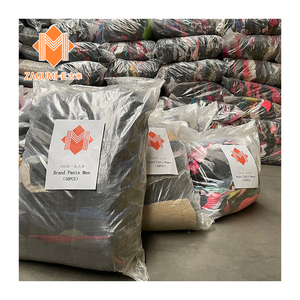
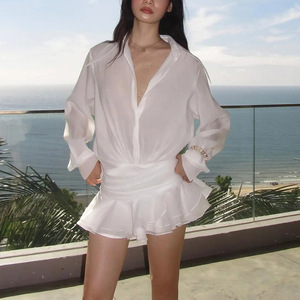
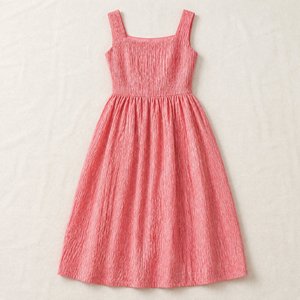
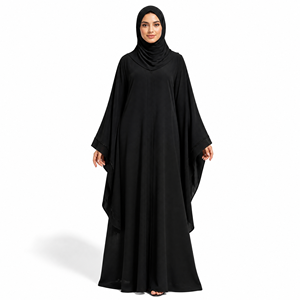
High-margin, export-ready womenswear styles tailored for boutiques, independent labels, and retail chain buyers worldwide.
Core Operational Competencies & Manufacturing Edge
Why leading global fashion labels, boutique owners, and enterprise buyers select us as their long-term supply chain partner.
Rigorous Quality Control Matrix
Our multi-stage quality assurance protocol adheres to international AQL 2.5/4.0 standards. From raw fabric tensile strength tests and colorfastness evaluations to inline stitching audits and final pre-shipment inspections, we guarantee flawless garment execution.
Precision CAD Patterning & Sampling
Utilizing advanced computerized pattern-making software (CAD), our technical team turns sketches and mood boards into production-ready tech packs within 72 hours. Accelerated sampling minimizes time-to-market for modern fast-fashion collections.
Sustainable & Certified Raw Materials
We prioritize sustainable raw material sourcing, offering Better Cotton Initiative (BCI) cotton, GOTS-certified organic fibers, recycled polyester (rPET), and premium Viscose linen blends. Fully compliant with European environmental regulations and ESG benchmarks.
Agile Low-MOQ & Private Labeling
To support emerging boutique brands and reduce inventory risk, we offer flexible minimum order quantities (MOQs) starting from low volume trial runs up to mass production outputs of 30,000+ units monthly. Full custom woven labels, hangtags, and custom packaging available.
End-to-End Export Logistics & Duty Support
Navigating global customs and tariffs requires experienced logistics management. We provide complete DDP (Delivered Duty Paid), FOB, and CIF shipping arrangements, optimizing freight routes to North America, Europe, Southeast Asia, and Australia.
1. Industry Overview: Navigating the Global Wholesale Women Garment Landscape
The global womenswear market has undergone a fundamental transformation driven by shifting consumer values, rapid digitalization, and supply chain volatility. International buyers, boutique owners, and commercial importers can no longer rely solely on low-cost manufacturing. Today's apparel landscape demands a sophisticated balance of speed-to-market, material traceability, technical craftsmanship, and inventory agility.
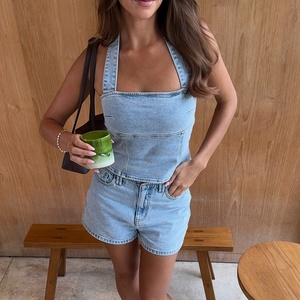
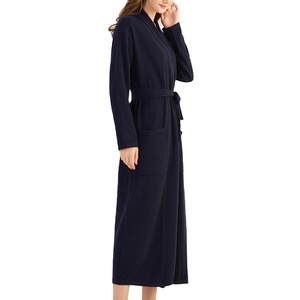
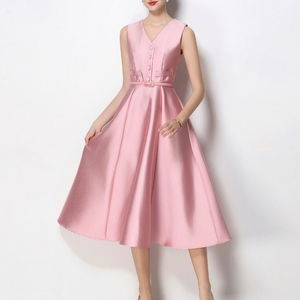
As a premiere China Wholesale Boutique Women Garments Wholesale Manufacturer & Exporter, our manufacturing ecosystems combine decades of traditional textile mastery with modern automated cut-and-sew operations. From high-fashion evening gowns and luxury Inner Mongolian cashmere robes to everyday woven viscose-linen co-ord sets and casual denim, China's apparel manufacturing sector continues to set the benchmark for global garment exports.
2. Product Engineering & Material Technical Specifications
Understanding fabric engineering is essential for wholesale buyers to ensure product longevity, garment drape, and customer satisfaction. Below is a comprehensive breakdown of technical specifications for our primary womenswear export categories:
| Garment Category | Primary Material Blend | Fabric Weight (GSM) | Key Technical Properties | Recommended Market Target |
|---|---|---|---|---|
| Woven Shirt Dresses | 100% High-Twist Chiffon / Rayon | 110 - 140 GSM | Breathable, Wrinkle-Resistant, Soft Handfeel | Spring/Summer Boutique Retail |
| Modest Co-Ord Sets | 55% Viscose / 45% Premium Linen | 180 - 220 GSM | High Moisture Absorption, Elegant Slub Texture | Middle East & European Contemporary |
| Luxury Sleepwear & Robes | 100% Inner Mongolian Cashmere | 280 - 320 GSM | Ultra-Soft (15.5μm fiber), High Thermal Retention | High-End Luxury Loungewear Brands |
| Washed Denim Sets | 98% BCI Cotton / 2% Elastane | 10 - 12 oz Denim | Enzyme Wash, Anti-Shrinkage (±2%), Stretch Comfort | North American Urban Casual |
| Evening & Banquet Gowns | Polyester Satin / Velvet Blend | 220 - 260 GSM | High Gloss Finish, Superior Draping, Reinforced Seams | Occasion Wear & Evening Boutiques |
3. The Information Gain Advantage: Providing Value Beyond Sourcing
In search engines and physical retail markets alike, long-term success requires Information Gain—offering unique, expert insights that competitors lack. When enterprise buyers evaluate garment exporters, they seek manufacturing partners who understand the macro-environmental forces impacting retail sales.
Key Sourcing Variables That Impact Profitability:
- Yield Optimization & Marker Efficiency: Advanced CAD nesting algorithms reduce fabric wastage to under 3%, saving up to 8% in raw material costs for bulk orders.
- Color Fastness Standardizations: Utilizing eco-friendly reactive dyes that achieve Grade 4+ colorfastness under ISO 105 standards, preventing dye bleeding during washing.
- Garment Shrinkage Management: Pre-washing and steam stabilization processes guarantee dimensional stability across all sizing runs, holding tolerance within ±2%.
- Regulatory Compliance & Chemical Safety: Strict adherence to REACH (EU) and CPSIA (USA) regulations, ensuring all trims, zippers, and fabrics are free from harmful AZO dyes, heavy metals, and phthalates.
4. Future Procurement Trends: Where Women's Wholesale Fashion is Heading
As global retail models pivot towards omnichannel distribution, apparel sourcing practices are rapidly evolving. Buyers must position their supply chains to capitalize on the following key market trends over the next 3 to 5 years:
A. Near-Zero Inventory & On-Demand Batch Replenishment
Retailers are abandoning massive single-season inventory buys in favor of initial low-volume test runs (100–300 pieces per style) combined with rapid 14-day replenishment cycles for high-performing SKUs. Flexible manufacturers with fast line-switching capabilities will dominate the market.
B. Circularity & Eco-Certified Materials
Environmental legislation in the European Union and North America is making material traceability mandatory. Wholesale buyers are increasingly requesting Digital Product Passports (DPP) that document a garment's journey from raw fiber source to finished product. Incorporating recycled fibers, organic cotton, and closed-loop viscose (such as Tencel/Modal) is becoming baseline requirement rather than a premium feature.
C. Size Inclusivity & Ergonomic Grading
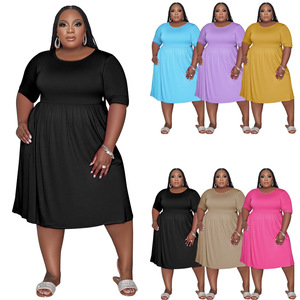
The demand for plus-size womenswear is outpacing standard sizing growth rates worldwide. However, creating high-quality plus-size garments requires specialized pattern grading that accounts for anatomical proportion adjustments rather than simple linear scaling. Manufacturers with dedicated plus-size pattern libraries offer a distinct commercial advantage.
5. Enterprise Evaluation Framework: Selecting Your Exporter
Before committing to a long-term OEM or ODM garment manufacturer, commercial procurement teams should evaluate potential partners using a structured checklist:
- Factory Audit Credentials: Verify BSCI, SEDEX, SMETA, or ISO 9001 certifications to ensure ethical labor standards and systematic quality management.
- Capacity & Lead Time Balance: Ensure the factory maintains a healthy ratio between peak season orders and available machine capacity to avoid delayed shipments.
- Tech Pack & Sample Turnaround: Test the engineering team’s ability to interpret tech packs, deliver accurate proto-samples, and execute fit adjustments swiftly.
- Financial & Payment Terms Transparency: Work with suppliers that offer secure, standardized payment terms (e.g., T/T, L/C, Trade Assurance) with clear milestone structures.
Frequently Asked Questions (B2B Procurement FAQ)
Essential answers for wholesale buyers, importers, and apparel brand managers.
Partner with a Trusted Womenswear Manufacturing Leader
Transform your fashion vision into commercial market success. Contact our product development and engineering team today to discuss tech packs, sample creation, fabric options, or custom wholesale pricing.