
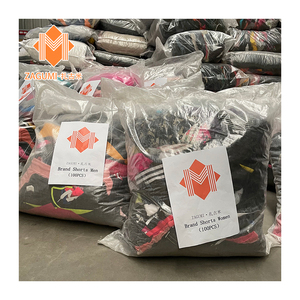
Curated Wholesale Catalog
Low-MOQ Sustainable Women's Garments
Direct-from-factory bulk sourcing ready for eco-labeling, custom branding, and international compliance delivery.
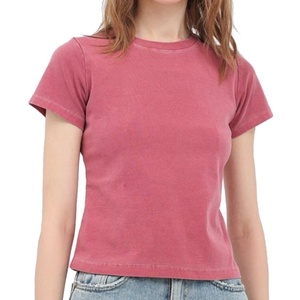
Vintage Women's Tshirt Plain Blank Acid Washed Crop Top T-shirts Skin Tight Women's Crop Top T-shirt Blank Slim Fit T-shirt
Get a Quote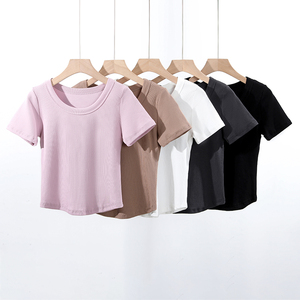
180Gsm Eco-Friendly Streetwear Wholesale Bulk Black Womens Gray Cropped Tshirt for Women Femme Custom Logo
Get a Quote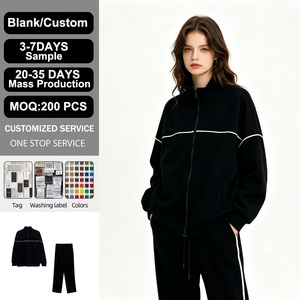
Bulk Wholesale Women's Luxury Cotton Stand Collar Zip Jacket Wide Leg Pants Contrast Trim Casual Winter Sustainable Anti-wrinkle
Get a Quote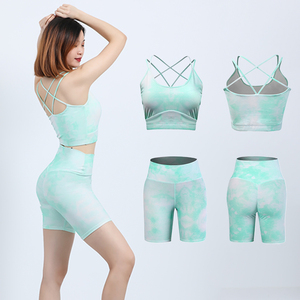
Eco Friendly Recycled Fabric Wear Sustainable Clothing 2 Piece Gym Fitness Yoga Bra Women Clothes Skin Tight Shorts Set
Get a Quote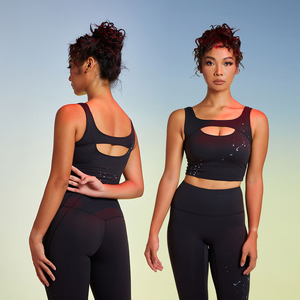
JIEJIN Women's Eco-Friendly Fitness Clothing Four-Way Stretch Gym Yoga Sets Recycled 2-Piece Sportswear with Solid Print Pattern
Get a Quote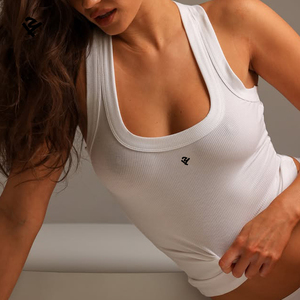
Ribbed Tank Top Custom Summer Low MOQ Sustainable Fabric White Sleeveless Stretchy Knit Tops for Women Wholesale
Get a Quote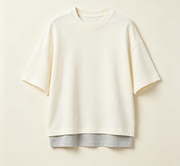
Relaxed Fit Casual Top Crew Neck Long Sleeve Breathable Fabric Daily Street Women Clothing Bulk
Get a Quote10+ Years
Manufacturing Heritage
30,000+
Monthly Unit Capacity
100%
Traceable Eco-Fabrics
AQL 2.5
International QC Standard
Executive Analysis: The Structural Shift in Global Women's Fashion Wholesale
The global business-to-business (B2B) apparel sourcing paradigm has reached a critical inflection point. Fashion procurement directors, private label brand managers, and commercial importers across North America, Europe, and Asia-Pacific are pivoting away from legacy linear supply chains toward highly transparent, environmentally resilient, and digitally integrated supply hubs. As search engine intent data demonstrates, commercial queries seeking "China Wholesale Sustainable Women Fashion Bulk Factories & Suppliers" are no longer merely looking for low-cost cut-and-sew units. Instead, procurement specialists demand rigorous ESG (Environmental, Social, and Governance) compliance, certified low-impact raw materials, precise pattern making, and rapid low-MOQ (Minimum Order Quantity) scalability.
Information Gain Insight: According to global supply chain audit benchmarks for 2025, over 74% of European fashion retailers now require complete material traceability under the EU Digital Product Passport (DPP) mandate. Manufacturers failing to provide certified GRS (Global Recycled Standard), GOTS (Global Organic Textile Standard), or BCI (Better Cotton Initiative) documentation face immediate tariff penalties and commercial exclusion.
To survive in this evolving landscape, Chinese clothing suppliers and global production partners have modernized their infrastructure. Modern OEM/ODM facilities now combine automated CAD pattern drafting, zero-waste cutting systems, closed-loop waterless dyeing technologies, and ethical labor standards to provide unprecedented value for wholesale buyers.
Comparative Matrix: Legacy Garment Sourcing vs. Next-Gen Sustainable Manufacturing
| Evaluation Metric | Legacy Bulk Manufacturing | Next-Gen Sustainable OEM/ODM Hub |
|---|---|---|
| Primary Material Basis | Virgin Petroleum Polyester & Conventional Cotton | GRS Recycled Polyester (rPET), BCI Organic Cotton, Bamboo Viscose |
| Minimum Order Quantity (MOQ) | 1,000 – 3,000 pcs / style / color | Flexible Low MOQ (100 – 300 pcs for test collections) |
| Production Cycle & Lead Time | 90 to 120 Days (Rigid scheduling) | 21 to 35 Days (Agile digital manufacturing workflow) |
| Quality Control Standard | Basic Random Batch Inspection (AQL 4.0) | In-house 100% Inline + Final AQL 2.5 Audit Standard |
| Traceability & Compliance | Opaque Tier-2 / Tier-3 Supplier Chains | Full GOTS, OEKO-TEX Standard 100, BSCI & GRS Traceability |
Macro Trends Driving Sustainable Women's Apparel Development
Understanding user intent in modern garment procurement requires looking closely at technical fiber development, design innovation, and changing retail consumption habits. Below are the five dominant trends defining the future of bulk women's fashion manufacturing:
1. Circularity & Recycled Fiber Integration
Textile recycling technologies have advanced from basic mechanical shredding to high-tenacity chemical recycling. Recycled polyester (rPET) derived from ocean plastics and post-industrial garment waste now delivers identical hand-feel, tensile strength, and colorfastness to virgin synthetic fibers while reducing carbon emissions by up to 60%.
2. Performance-Driven Eco Actives
The boundary between casualwear, streetwear, and athleisure has completely dissolved. Modern women's 2-piece gym sets, yoga bras, and crop tops incorporate 4-way stretch polyamide-elastane blends, moisture-wicking finishes, and anti-bacterial eco-coatings designed for maximum durability and active comfort.
3. Strict Regulatory ESG Compliance
Global brands can no longer rely on unverified greenwashing statements. Importers require rigorous third-party lab testing and compliance documentation covering chemical safety (REACH compliance), heavy metals, non-toxic azo dyes, and OEKO-TEX Standard 100 certification across all trim and fabric components.
Future Sourcing Strategies for Fashion Brands & Importers
Navigating market volatility, fluctuating freight costs, and fast-changing consumer demands requires a strategic approach to bulk procurement. High-performing fashion enterprises utilize a multi-layered sourcing blueprint:
A. Micro-Batch Testing Followed by Rapid Scale
Instead of committing capital to thousands of unproven units, smart procurement teams place micro-orders (100–300 units per colorway) for seasonal caps, acid-washed crop tops, or ribbed tank tops. Once real-time e-commerce sales metrics validate market demand, production scales rapidly to thousands of units using reserved factory lines.
B. Zero-Waste Pattern Engineering
Fabric accounts for 60% to 70% of a garment’s direct production cost. Advanced computer-aided design (CAD) marker placement minimizes off-cut scrap waste during bulk cutting. Zero-waste pattern techniques not only lower raw material consumption but directly decrease the final FOB (Free on Board) unit price for wholesale importers.
C. Fiber Blend Optimization
Combining natural fibers like Better Cotton Initiative (BCI) cotton with high-durability regenerated viscose or recycled polyester creates hybrid textiles that offer superior drape, shrink resistance, anti-wrinkle performance, and enhanced color retention through multiple wash cycles.
Why Partner With Us: Our Manufacturing Ecosystem & Enterprise Advantages
As an established apparel design and manufacturing partner with over a decade of dedicated production heritage, we bridge the gap between creative design concepts and high-efficiency commercial garment production. Our integrated manufacturing hub is tailored specifically to support global importers, private label fashion labels, and wholesale buyers.
Full OEM/ODM Customization & Technical Sampling
From initial tech-pack interpretation and CAD pattern grading to custom lab-dips and prototype fit samples, our dedicated technical team ensures every detail—including seam strength, stitch density (SPI), and print placement—matches your exact specifications before mass production begins.
30,000 Units Monthly Capacity & Scalable Output
Our modern sewing lines feature automated cut-and-sew equipment, specialized cover-stitch machines for activewear, and automated iron-pressing finishing units. With a proven monthly output of 30,000 high-quality garments, we comfortably accommodate both seasonal demand spikes and consistent replenishment orders.
Dedicated Cross-Functional Account Team
We eliminate communication friction. Every client is paired with an experienced cross-functional team spanning account management, fabric sourcing, pattern development, merchandising, and quality assurance—ensuring daily progress updates, absolute milestone transparency, and responsive service.
Frequently Asked Questions (FAQ) for Bulk & Wholesale Buyers
Below are technical and operational answers to common questions asked by international buyers, procurement officers, and fashion brands when sourcing bulk women's clothing:
What are your standard Minimum Order Quantities (MOQs) for sustainable apparel?
Our standard Minimum Order Quantity starts as low as 100 to 300 pieces per style/colorway for fabrics available in stock (such as standard BCI cotton t-shirts, ribbed tanks, and recycled yoga sets). For fully customized mill-dyed fabrics or custom-engineered technical textiles, the standard MOQ typically ranges from 500 to 1,000 pieces depending on fabric specifications.
How do you verify and document fabric sustainability certifications?
Every eco-friendly fabric lot we procure is backed by valid Transaction Certificates (TC) issued by accredited certifying bodies (such as Control Union or IDFL). We provide GRS (Global Recycled Standard), GOTS (Global Organic Textile Standard), and OEKO-TEX Standard 100 documentation alongside full raw material composition test reports for every batch.
What is the typical lead time for custom sampling and bulk production?
Fit samples and prototype developments are completed within 7 to 10 working days after tech-pack approval. Once the pre-production sample (PPS) is formally signed off and fabric lab-dips are confirmed, mass production requires approximately 21 to 35 calendar days depending on total order volume and construction complexity.
What quality control (QC) procedures are implemented during manufacturing?
We execute a strict 4-stage Quality Inspection protocol: 1) Incoming Raw Material Inspection (Four-Point System for fabric roll defects), 2) In-Line Sewing Inspections, 3) 100% End-of-Line Garment Trimming & Measurement Audits, and 4) Final Random Inspection according to international AQL 2.5 standards prior to carton packing.
Can you manufacture private label garments with custom branding, woven labels, and eco-packaging?
Yes. We offer complete turnkey private label solutions. This includes custom woven neck labels, recycled heat-transfer logos, organic cotton hangtags, customized barcode polybags, and FSC-certified biodegradable shipping cartons tailored to your retail brand guidelines.
What international shipping terms (Incoterms) do you support?
We support all standard international shipping arrangements including FOB (Free on Board), EXW (Ex Works), CIF (Cost, Insurance & Freight), and DDP (Delivered Duty Paid). Our logistics team handles export customs clearance, documentation, and coordination with global sea and air freight forwarders.
Ready to Scale Your Sustainable Fashion Line?
Partner with an industry-leading manufacturer focused on precision craftsmanship, transparent eco-materials, and reliable bulk delivery. Speak directly with our product development team today.
Get a Quote