
Featured OEM/ODM Womenswear & Skirt Collections
Scalable wholesale apparel manufacturing with low MOQs, custom pattern engineering, and full tech pack execution.
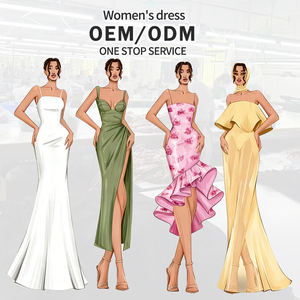
Custom Women Linen Cotton Dress & Skirt Collection
MOQ: 100 Pcs/Color | Customization: OEM/ODM
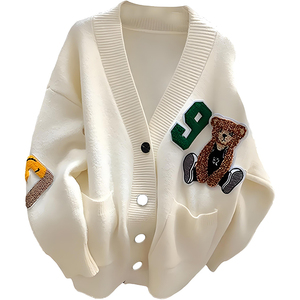
Custom OEM & ODM Women Knitwear & Cardigan Set
Finish: Anti-Pilling, Soft Touch Wash
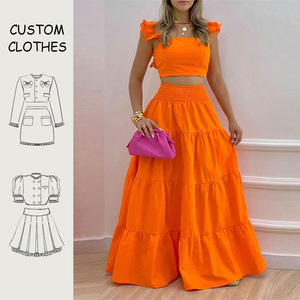
Custom Wholesale Ladies Solid Tops & Skirt 2-Piece Sets
Process: Garment Dyed, Reactive Colors
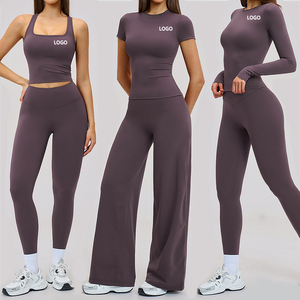
Slim Fit Design Tank Top & Sportswear Skirt / Pants Set
Feature: 4-Way Stretch, Moisture Wicking
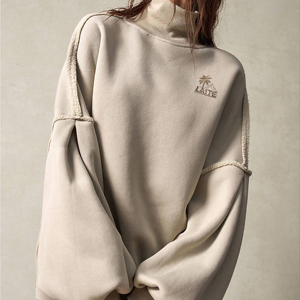
Reverse Sewing Line Lantern Sleeve Mock Neck Apparel
Details: Exposed Overlock Stitching
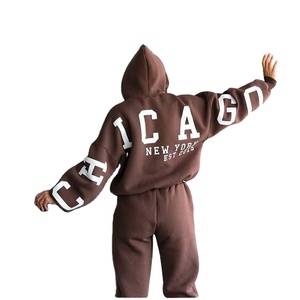
Custom Logo Hoodies & Match Skirt/Jogger Two-Piece Sets
Fit: Oversized Modern Silhouette
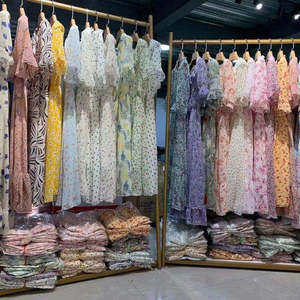
Women Casual Skirts & Apparel Mixed Bulk Bales Stock
Market: Global Distribution & Retail
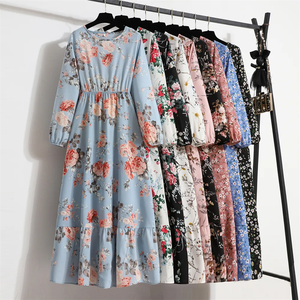
New Mixed Women Fashion Apparel & Casual Skirt Assortment
Quality: 100% Inspection Passed AQL 2.5
Precision pattern making and woven garment manufacturing excellence.
Optimized production lines engineered for batch and bulk orders.
Strict double-pass inline and final garment quality audits.
Certified BCI cotton, viscose, and eco-friendly synthetic blends.
1. Executive Sourcing Report: The Global Shift in OEM/ODM Women Skirt Manufacturing
The international wholesale apparel landscape is undergoing a structural transformation driven by consumer demand for sustainability, rapid fashion lifecycles, and stringent regulatory compliance in North America and the European Union. Procurement directors and fashion brand owners looking for OEM/ODM women skirts wholesale bulk factories and suppliers must now evaluate partners beyond basic unit price considerations. Strategic sourcing requires analyzing a factory's material traceability, CAD pattern precision, tech pack responsiveness, and ethical labor standards.
Womenswear skirts—spanning structured woven A-lines, pleats, bias-cut slips, tiered maxis, and technical cargo skirts—require specialized manufacturing techniques. Unlike standard T-shirt assembly, skirt manufacturing demands rigorous grainline control, precise waistband stabilization, seamless concealed zipper insertion, and accurate hem drape engineering. A minor variance in fabric weight (GSM) or yarn tension can completely distort the drape and silhouette of a midi or maxi skirt, leading to high return rates in retail channels.
2. Product Innovation & Manufacturing Trends for 2025–2030
To maintain market competitiveness, global buyers must align their product development pipelines with key textile advancements and consumer purchasing behaviors. Below are the prominent macro trends reshaping women's skirt design and supply chain execution:
Circular & Certified Fabrics
Transitioning from conventional synthetic blends to Better Cotton Initiative (BCI) cotton, GOTS-certified organic linen, and Global Recycled Standard (GRS) polyester. Eco-conscious finishes reduce water consumption by up to 40% during dyeing.
Hybrid Active-Casual Skirts
Rise of multi-functional athleisure skirts incorporating polyamide-spandex inner shorts, hidden utility pockets, and moisture-wicking coatings for tennis, golf, and urban commute lifestyles.
Digital Printing & Zero-Waste
Implementation of high-definition digital reactive dye printing for intricate floral and abstract skirt motifs, eliminating screen setup costs while minimizing dye effluent run-off.
3. OEM vs. ODM Women Skirt Manufacturing: Technical Comparison
Selecting the correct manufacturing model directly impacts product margins, development lead times, and intellectual property control. The comparison table below breaks down the technical and operational differences between Original Equipment Manufacturing (OEM) and Original Design Manufacturing (ODM) for skirt production.
| Manufacturing Parameter | OEM (Original Equipment Manufacturer) | ODM (Original Design Manufacturer) |
|---|---|---|
| Design & Pattern Source | Buyer provides full Tech Pack, CAD files & seam specs. | Factory provides white-label catalog designs for customization. |
| Fabric Sourcing & GSM | Nominated mill sourcing or exact buyer fabric specifications. | Factory stock fabrics (BCI cotton, viscose, poly-blends). |
| Sampling Turnaround | 7 – 12 Days (requires proto, fit, and pre-production approval). | 3 – 5 Days (utilizes existing block patterns). |
| Minimum Order Quantity (MOQ) | 300 to 500 Pcs per style/color (custom mill dye lots). | 50 to 150 Pcs per style (utilizes ready stock colors). |
| Quality Control Standard | Custom AQL 1.5 / 2.5 with buyer third-party audit (SGS, TUV). | Standard Factory Internal AQL 2.5 Inspection. |
| Best Suited For | Established fashion houses, retail chains, enterprise brands. | E-commerce startups, boutique brands, fast fashion drops. |
4. Procurement Trends & Supply Chain Risk Optimization
Modern fashion buyers face unprecedented supply chain volatile factors, including fluctuating shipping freight tariffs, raw material price shifts, and tighter store delivery windows. To mitigate these risks, procurement strategies are shifting toward agile, low-inventory batching models backed by verified regional manufacturing hubs.
4.1 Low MOQ & Scalable Batch Production
Traditional garment factories often demand high minimum order quantities (1,000+ units per style), forcing brands to tie up working capital in unsold inventory. Advanced OEM/ODM factories in key garment manufacturing regions (such as Jaipur, India) now offer flexible tiered MOQ structures. Brands can test market reception with an initial order of 100 to 200 units, expanding rapidly to 5,000+ units once a style proves successful.
4.2 Sustainability Compliance & European EU Regulations
With the introduction of the EU Digital Product Passport (DPP) and strict anti-greenwashing directives, global importers must verify every link in their supply chain. Sourcing partners must provide full material origin documentation, verifying that cotton is sourced from accredited farms (BCI, GOTS) and that wet-processing facilities comply with REACH chemical regulations.
Enterprise Partner Profile: KBK Exports (Jaipur, India)
KBK Exports is a premier womenswear garment manufacturer based in the industrial textile hub of Jaipur, India. Specializing in high-quality woven apparel, private label production, and sustainable cotton/viscose skirt manufacturing, KBK Exports integrates traditional craftsmanship with modern production technology.
With over a decade of dedicated industry experience and a monthly production capacity of 30,000 units, the factory supports international fashion labels across Europe, North America, and Australia. Integrated services include in-house CAD pattern grading, sample prototyping, fabric dyeing, precision cut-and-sew, and rigorous two-stage AQL 2.5 quality control.
5. Frequently Asked Questions (FAQ) for Bulk Skirt Sourcing
To provide a detailed cost breakdown (FOB or CIF), our engineering team requires a comprehensive Tech Pack or physical sample. Key parameters include: fabric construction and GSM weight, fiber composition (e.g., 100% BCI Cotton, Viscose-Rayon blend), size specs with tolerance tables, artwork/print tech specifications, trim bill of materials (zippers, elastic, buttons, labels), and total quantity breakdown per colorway.
Proto sample turnaround typically takes 7 to 10 working days upon receiving your tech pack and design specifications. If using stock factory fabrics, samples can be delivered in as few as 5 days. Fit samples, size sets, and pre-production (PP) samples are dispatched sequentially for buyer approval prior to bulk fabric cutting.
Production adheres strictly to international Acceptable Quality Limit (AQL 2.5 / 4.0) standard inspection procedures. QC checks are performed across five distinct stages: (1) Raw Material & Fabric Inspection via 4-Point System, (2) Pre-Cutting Shade Lot Grouping, (3) In-line Sewing Inspections, (4) End-of-line Garment Measurements & Thread Trimming, and (5) Final Random Inspection (FRI) prior to carton packing.
Yes. Sustainable fabric sourcing is one of our primary capabilities. We offer certified Better Cotton Initiative (BCI) cotton, GOTS-certified organic cotton, TENCEL™ Lyocell, FSC-certified Viscose, and GRS-certified Recycled Polyester. Transaction certificates (TC) and material origin documentation can be provided for compliance verification.
Bulk production lead time is generally 30 to 45 days after pre-production sample approval and lab-dip color strike-off confirmation. Sea freight shipping typically requires 20–35 days depending on the destination port, while express air freight requires 5–8 business days for urgent retail restocks.
Ready to Scale Your Womenswear Collection?
Partner with an established OEM/ODM factory equipped with modern pattern engineering, sustainable fabric options, and reliable export capabilities.