
Precision-Crafted Women's Summer Garments & Private Label Stock
Explore our export-ready OEM & ODM apparel portfolio engineered with superior linen-cotton blends, low MOQs, and international AQL 2.5 compliance.
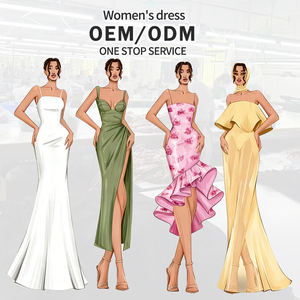
Custom Women Dress Manufacturer High Quality Linen Cotton Clothing Factory Low MOQ OEM ODM Fashion Ropa De Mujer Apparel
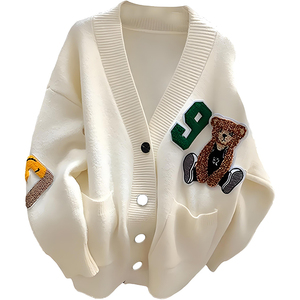
Custom OEM & ODM Women Sweater Pattern Ladies Knitwear Winter Girls Knit Clothes Cardigan Sweater Women
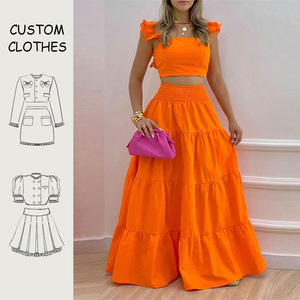
Custom Women Clothing 2 Pieces Sets Custom Wholesale Ladies Casual Cotton Solid Tops & Skirts Set for Women
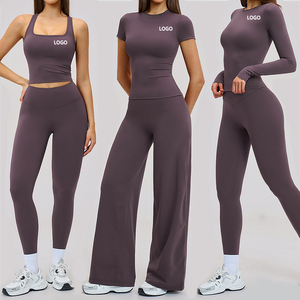
Vanciegroup Women's Slim Fit Design Shirt Tank Top Wide Pants Set Solid Back Gym Sportswear Two Piece Yoga Sets For Women
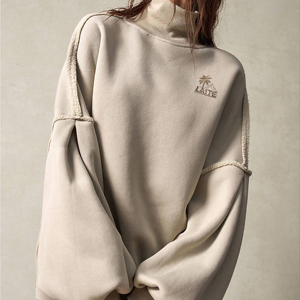
LTD-H1012 Custom High Quality Low OEM MOQ Reverse Sewing Line Lantern Sleeve Mock Neck Sweatshirts Women's Sweatshirts
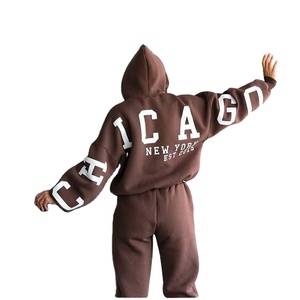
Custom Logo Hoodies And Sweat Pants Jogger Set Woman,women Tracksuit 2 Two Piece Set Sweatpants And Hoodie Set,women Hoodies
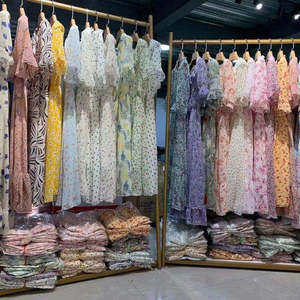
Hot Selling Women Casual Dresses Tops, & Apparel Random Mix Bulk Bales Random Mix Clothes Wholesale Southeast Asia Stock
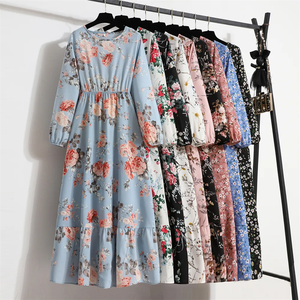
New Mixed Apparel Stock For Women Wholesale Short Tops T-shirts Casual Dresses Bulk Bales Fashion Clothing
1. Strategic Overview: The Changing Paradigm of Women's Summer Garment Sourcing
The global women's fashion landscape is undergoing a structural shift driven by algorithmic consumer demand, rapid micro-season iterations, and stringent European sustainability directives. Sourcing directors and fashion buyers no longer look for simple contract sewing facilities; they require end-to-end strategic ODM/OEM integration that combines material engineering, agile pattern grading, and verified supply chain governance.
In modern summer garment procurement, heat-regulating textiles, low-shrinkage woven constructs, and non-toxic dye chemistries dominate consumer purchase criteria. As search engines prioritize high-information-gain content (E-E-A-T), retail brand directors must understand the technical specifications that differentiate high-margin summer fashion lines from low-retention commodities. Our facility, headquartered in Jaipur, India (RIICO Industrial Zone, Sitapura), operates at the intersection of artisanal woven textile heritage and high-precision modern industrial garment assembly.
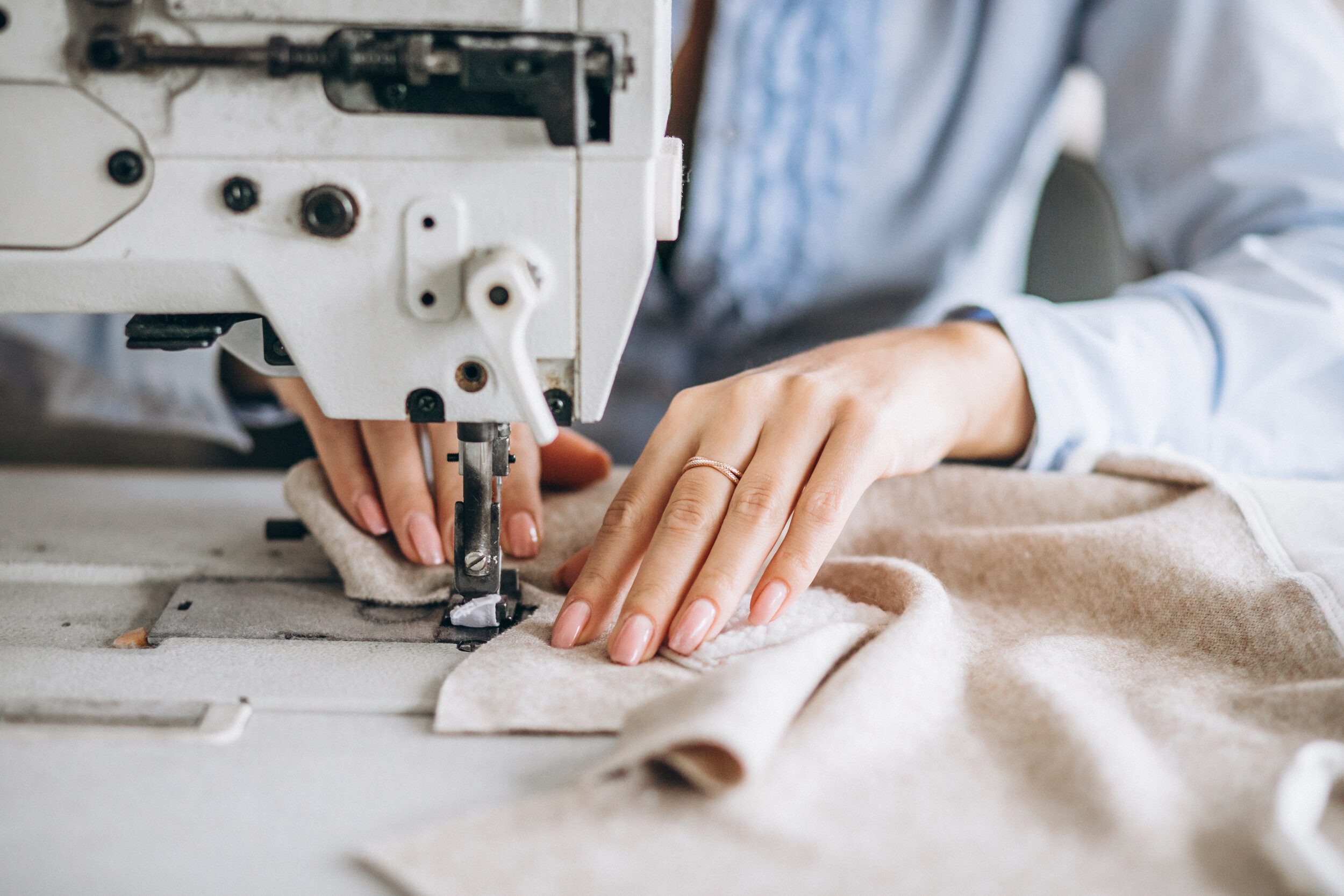
Precision Pattern Engineering & Tailoring Expertise
Garment structural integrity relies heavily on initial pattern development. Our technical team utilizes advanced CAD grading to translate designer tech packs into physical prototypes with zero dimensional tolerance drift. Every seam, armhole curvature, and drape line is mathematically optimized to ensure standard sizing consistency across US, EU, and Asian market body specs.
By integrating in-house pattern-making with digital prototyping, we reduce sample development lead times by up to 40%, enabling fashion labels to validate seasonal summer collections before committing to high-volume production runs.
Core Engineering Advantages in OEM & ODM Manufacturing
Material Science & Textile Selection
Expertise in BCI Cotton, Organic Linen, Viscose-Cotton weaves, and recycled synthetic micro-fibers engineered for optimal air permeability and moisture vapor transmission rate (MVTR).
Tech Pack to CAD Digitization
Seamless conversion of visual design sketches, mood boards, and spec sheets into 2D/3D CAD vector patterns with multi-size automated nesting for maximum fabric yield.
Rigorous AQL 2.5 Quality Assurance
Inline standard operating procedures featuring fabric tension inspection, needle-detector clearance, seam strength testing, and color fastness verification against ISO standards.
2. Strategic Sourcing Framework: OEM vs. ODM Model Selection
Understanding whether your organization requires Contract OEM (Original Equipment Manufacturing) or Private Label ODM (Original Design Manufacturing) dictates supply chain agility, cost structures, and speed-to-market. Below is an engineering comparison matrix for summer collection planning:
| Evaluation Parameter | OEM (Original Equipment Manufacturing) | ODM (Original Design Manufacturing) |
|---|---|---|
| Design & Tech Pack Ownership | Client provides complete tech packs, patterns, and trim specs. | Factory provides ready-to-label white-label seasonal styles. |
| Fabric Development | Custom yarn dyeing, specialized weaves (BCI Cotton, Linen blends). | Pre-curated in-stock summer fabrics (Cotton poplin, Rayon, Slub). |
| Sample Lead Time | 10 - 15 business days (requires custom lab dips & strike-offs). | 5 - 7 business days (using existing pattern archives). |
| Minimum Order Quantity (MOQ) | Flexible Low MOQ (starting from 100–300 pcs per style/colorway). | Micro MOQ / Mixed Bales Bulk Sourcing (from 50 pcs). |
| Target Retail Segment | Boutique Fashion Houses, Mid-to-High Tier Global Brands. | E-commerce Fast-Fashion, Stock Wholesalers, Retail Chains. |
3. Technical Material Science: Fabric Engineering for Summer Collections
Summer fashion demands high thermal comfort, tactile softness, structural durability, and low environmental impact. As an established export manufacturer, we prioritize raw fiber integrity and eco-friendly dye processes:
BCI & Organic Cotton Wovens
Utilizing Better Cotton Initiative (BCI) certified yarns, our 120–160 GSM cotton poplins, voiles, and cambrics undergo mercerization to enhance tensile strength and dye absorption. Fabric pre-shrinking via sanforization guarantees residual shrinkage below 3% under standard washing cycles.
Linen & Viscose Blends
Pure flax linen offers supreme breathability but suffers from high wrinkle susceptibility. By engineering 55% Linen / 45% Viscose composite weaves, we deliver the distinctive organic aesthetic of natural flax alongside soft hand-feel and improved drape recovery, ideal for summer dresses, wide-leg trousers, and casual blazers.
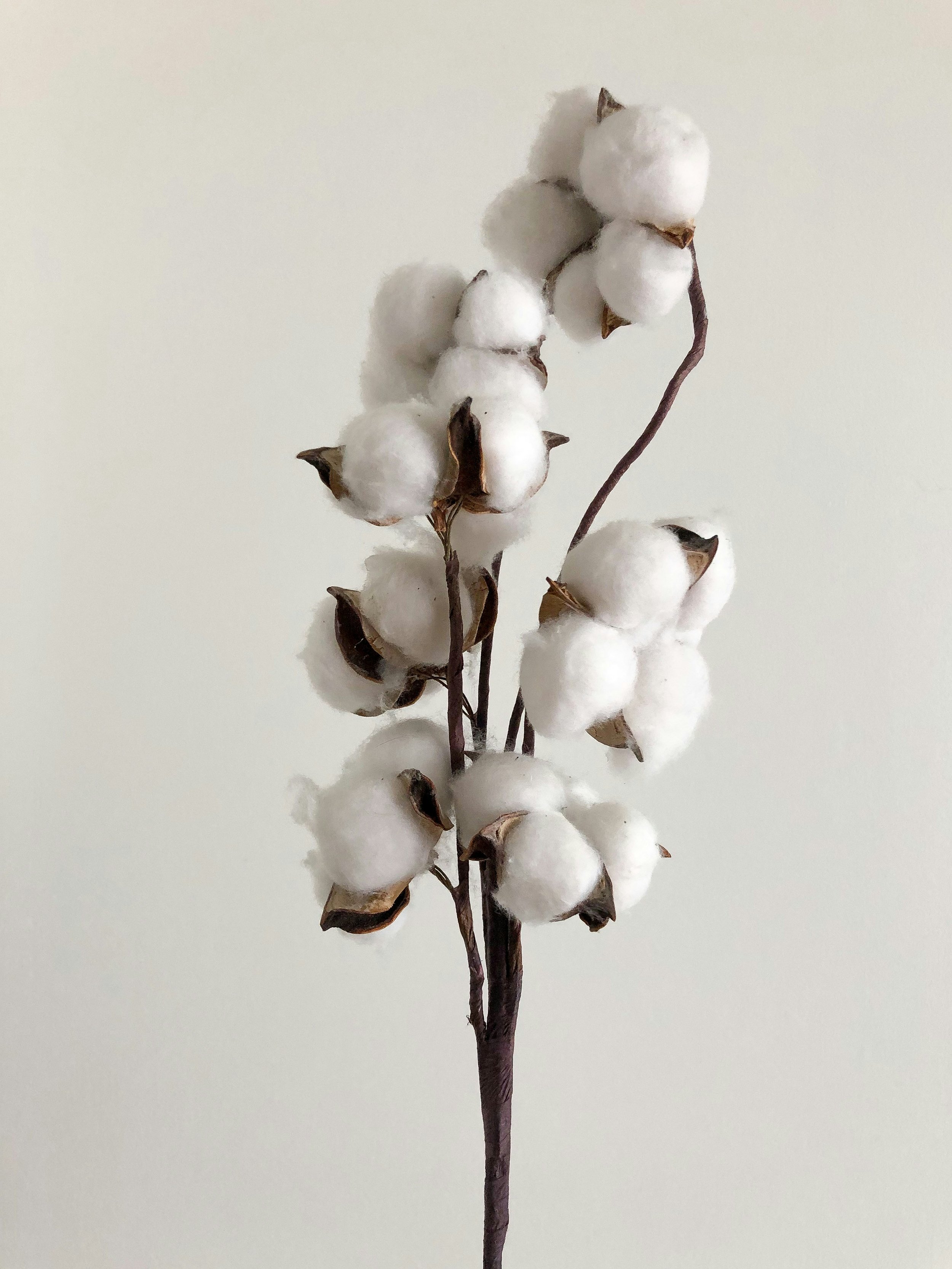
Sustainable & Recycled Fiber Solutions
Meeting global circularity standards, we offer recycled polyester (rPET) derived from post-consumer plastic bottles and closed-loop polyamide (PA) for resortwear and two-piece active yoga sets. All synthetic fibers undergo anti-pilling treatment (Grade 4+ on Martindale scale).
Every fabric batch is documented with material composition certificates, enabling international brands to meet strict European Digital Product Passport (DPP) compliance demands.
Technical Apparel Construction Specifications
Our sewing floors execute specialized stitch types optimized for lightweight summer construction:
- French Seams & Bound Edges: Applied on sheer silk and voile garments to prevent fraying and eliminate raw edge exposure.
- Reverse Sewing & Flatlock Stitching: Utilized in loungewear, hoodies, and active sets (e.g., LTD-H1012 series) for smooth skin contact and dynamic stretch resilience.
- 12–14 Stitches Per Inch (SPI): Standard sewing density ensured across all woven seams for structural longevity without seam puckering.
End-to-End OEM/ODM Manufacturing Execution
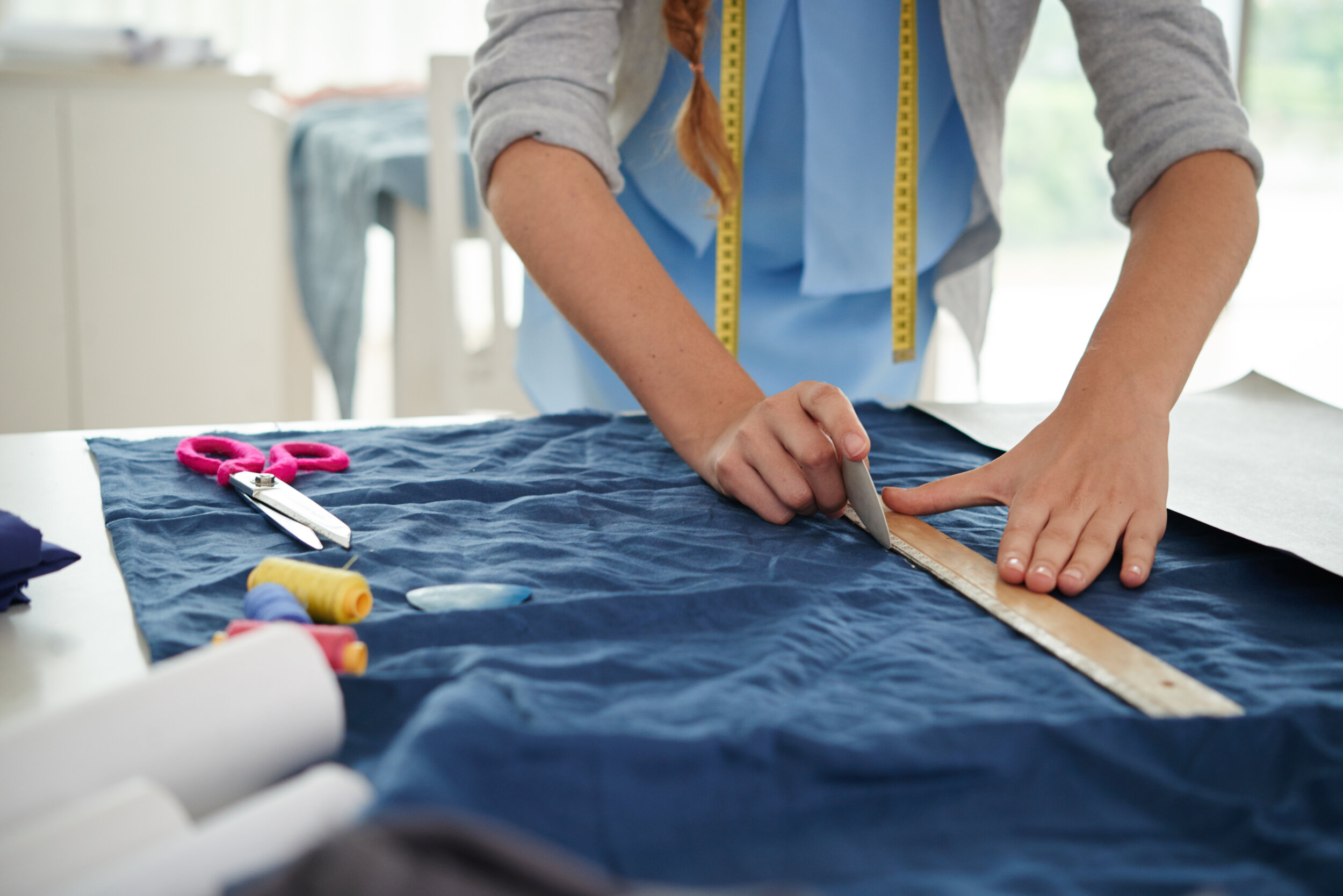
From preliminary sketch to final container loading, our operational workflow is streamlined via rigorous stage-gate verification:
- Design Brief & Fabric Lab Dips: Color matching via Pantone TCX codes, lab dip approvals under D65 standard light boxes.
- First Fit Sample (Proto): Execution of initial physical prototype within 7 days for silhouette and fit evaluation.
- Pre-Production Sample (PPS): Final sample approved with complete trims, care labels, and brand hangtags prior to bulk cutting.
- Automated Spreading & Laser-Guided Cutting: Minimizing fabric scrap rate to under 5% through algorithmic CAD nesting.
- Inline Assembly & AQL 2.5 Quality Inspection: Full visual, dimensional, and needle-detection checks across 100% of finished units.
4. Future Procurement Trends in Women's Summer Garments (2025–2030)
Fashion procurement strategies are shifting away from traditional high-risk bulk ordering toward agile, demand-driven sourcing models. Sourcing executives must prepare for four critical macro trends:
1. Micro-Batch Supply Chains & Flexible MOQs
The risk of unsold end-of-season stock has made mega-volume orders hazardous. Progressive brands now launch summer capsules with micro-MOQs (100–300 pieces), reordering top-performing SKUs via rapid 14-day replenishment cycles. Our production layout features modular assembly lines designed specifically to accommodate low-MOQ variations without incurring cost penalties.
2. Traceable & Certified Sustainable Materials
Regulators in the EU and North America are enforcing strict supply chain transparency laws. Standard tags are being replaced by verified eco-credentials, including BCI Cotton, GOTS organic certification, OEKO-TEX Standard 100, and Recycled Claim Standard (RCS). Buyers prioritizing certified suppliers benefit from reduced customs friction and enhanced brand equity.
3. Coordinated 2-Piece Sets & Multi-Functional Apparel
Consumer purchase data indicates elevated demand for versatile, multi-use matching sets—such as wide-leg pant and tank combinations, or skirt-and-crop-top duos. These styles maximize wardrobe utility, offering high retail margins for brands while streamlining production cutting efficiencies on identical fabric runs.
4. Near-Zero Waste Pattern Drafting
Digital 3D fit simulation (Clo3D / Browzwear) combined with zero-waste pattern layouts allows manufacturers to optimize fabric utilization rates up to 94-96%. This cuts raw material consumption and lowers unit costs for buyers.
5. Manufacturing Facility & Corporate Infrastructure
KBK Exports (Operating platform: rakshafashion.com) is a family-owned export manufacturer situated in Sitapura Industrial Area, Jaipur, Rajasthan, India. Operating over 10+ years, our facility bridges artisanal textile skills with international production governance.
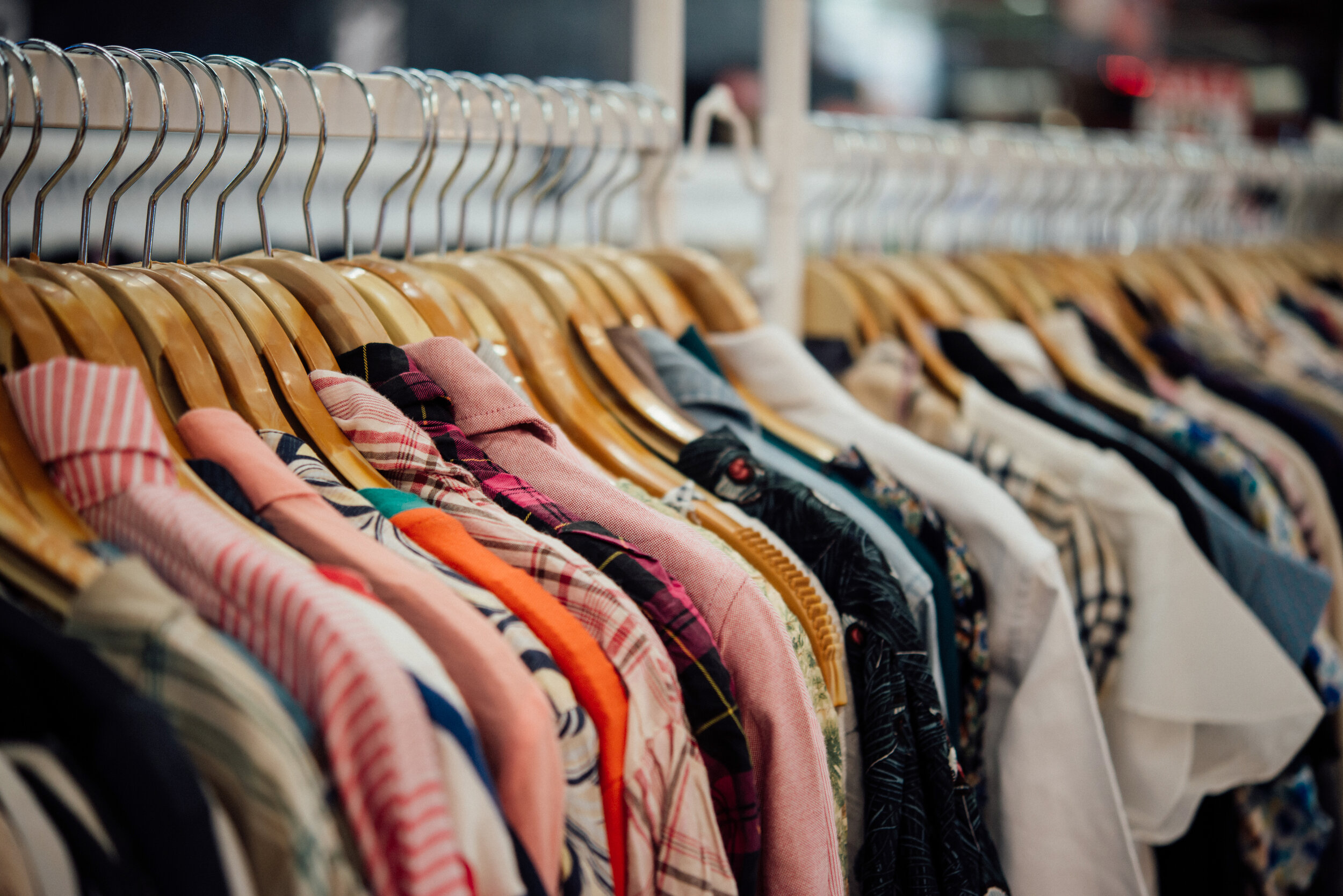
In-House Cross-Functional Operational Unit
Rather than outsourcing core manufacturing stages, our Jaipur facility houses complete cross-functional operations under one roof:
- Dedicated Merchandising & Account Management
- In-house Sourcing & Raw Material Testing
- CAD Pattern Development & Master Tailor Sampling
- Dedicated Cut & Sew Operations (30,000 units/mo)
- Independent Internal Quality Assurance (AQL 2.5)
- Export Packaging & Freight Documentation Logistics
6. Frequently Asked Questions (FAQ) for Garment Procurement & Sourcing
Addressing core operational inquiries for global fashion buyers, importers, and private label apparel brands:
Q1: What are your Minimum Order Quantities (MOQ) for custom OEM/ODM summer garments?
Our standard OEM custom production MOQ starts at 100 to 300 pieces per style/colorway, depending on fabric availability. For our ODM white-label designs or ready mixed apparel bales, micro-MOQs starting from 50 pieces are supported to assist emerging boutique brands.
Q2: How long does sample development take, and what is required to start?
Sample turnaround takes 7 to 10 business days upon receipt of your tech pack, design sketch, or reference garment. If you require custom fabric dyeing or digital pattern creation from scratch, lead time is approximately 12–14 days. We provide complete proto samples, fit samples, and salesman samples (SMS).
Q3: Do you support sustainable fabric sourcing such as BCI Cotton and Recycled Fibers?
Yes. We specialize in BCI Cotton, Organic Linen, Eco-Viscose, Recycled Polyester (rPET), and Polyamide blends. Material certification documentation and full composition transparency are provided with all sustainable order runs.
Q4: What quality control standard does your factory adhere to during bulk production?
We execute strict inline and final inspections based on the international Acceptable Quality Limit (AQL) 2.5 standard. This covers fabric defect screening, dimensional measurement audits, seam strength testing, colorfastness checks, and 100% metal/needle detection passing.
Q5: Can you handle custom branding, packaging, and private labeling?
Absolutely. We provide turnkey private label services including woven main labels, satin care labels, heat-transfer neck prints, custom paper hangtags, eco-friendly polybags, and barcode-labeled shipping cartons ready for direct distribution or Amazon FBA fulfillment.
Q6: What shipping terms and export logistics options do you offer?
We support FOB (Free on Board - Nhava Sheva / Delhi ports), CIF (Cost, Insurance, and Freight), and DDP (Delivered Duty Paid) via courier partners (DHL, FedEx) for air freight, as well as sea freight for full container loads (FCL) and less-than-container loads (LCL).