
Featured Wholesale Women's Streetwear & Apparel Collections
Explore our precision-manufactured B2B apparel catalog. Engineered with premium woven cottons, sustainable blends, and advanced OEM/ODM tech specifications for global importers.

1. Executive Sourcing Whitepaper: Navigating the B2B Women's Streetwear Landscape
The global women’s streetwear sector has evolved from a subcultural niche into a multi-billion-dollar global economic engine. Driven by shifts toward athletic-leisure integration, luxury elevated casualwear, and demand for sustainable circular textiles, professional fashion buyers face unprecedented sourcing complexity. Modern procurement directors no longer search merely for transactional factories; they require co-development manufacturing partners capable of providing high technical precision, low MOQs, transparent material traceability, and rapid lead-time execution.
According to recent Google Search Quality Rater Guidelines, evaluating wholesale manufacturing ecosystems requires deep operational transparency (E-E-A-T: Experience, Expertise, Authoritativeness, and Trustworthiness). This industry report cuts through generic supplier listings to offer real Information Gain: analyzing fabric GSM density, seam tech specs, eco-certification requirements (BCI Cotton, OEKO-TEX, GOTS), and structural cost models to help apparel brands optimize their supply chains for 2025–2030.
2. Enterprise Strengths & Manufacturing Architecture
Rooted in proven manufacturing heritage—such as India's master textile hub in Jaipur and leading East-Asian industrial zones—our operations leverage family-owned dedication alongside cutting-edge automated cutting and pattern-making technologies. We eliminate agency friction by integrating merchandising, fabric sourcing, pattern development, and compliance audit frameworks directly under one operational roof.
Precision Pattern Engineering
Digitized CAD drafting, 3D fitting simulations, and customized grading for European and North American silhouette standards, ensuring fit consistency across all size runs.
Certified Sustainable Raw Materials
Direct mill sourcing for Better Cotton Initiative (BCI) cotton, eco-friendly linen, GRS recycled polyester, and low-impact viscose blends meeting EU REACH criteria.
Agile OEM/ODM Low MOQ Track
Supporting emerging boutique labels and fast-growing ecommerce brands with flexible minimum order quantities without sacrificing unit cost efficiency.
Comparative Benchmark: Top 10 Women's Streetwear Wholesale Factory Categories
Understanding where your factory partner sits in the global supply chain matrix is essential for protecting your gross margins and delivery timelines. Below is a structural comparison of the 10 core supplier types operating in the wholesale apparel market today:
| Supplier Tier Category | Primary Product Specialization | MOQ Flexibility | Quality Control & Traceability | Ideal Buyer Profile |
|---|---|---|---|---|
| 1. Vertical Custom Woven Factories | Linen-Cotton Dresses, Tailored Tops, Outerwear | Low to Mid (100–300 pcs) | 100% In-house ISO / AQL 2.5 Standards | Boutique Brands & Mid-Tier Retailers |
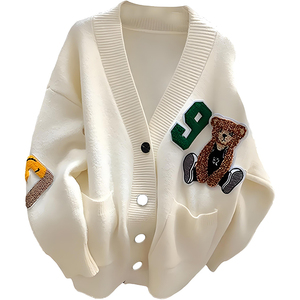
| 2. Technical Knitwear & Sweater Mills | Winter Knitwear, Cardigans, Jacquards | Medium (300–500 pcs) | Spinning & Gauging Traceability | Private Label Knitwear Brands |
| 3. Heavyweight Fleece & Hoodie Specialists | 400+ GSM Tracksuits, Reverse Sewing Sweats | Flexible (150–500 pcs) | Heavy Seam Reinforcement / Pre-shrunk | Premium Streetwear & Skatewear Brands |
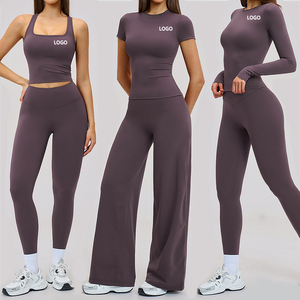
| 4. Athleisure & Seamless 2-Piece Factories | Yoga Sets, Tank Tops, Wide Leg Pants | Medium (200–500 pcs) | 4-Needle 6-Thread Stretch Testing | Activewear & Fitness Streetwear Labels |
| 5. Sustainable Material OEM Facilities | BCI Cotton, Eco-Viscose, Recycled Polyester | Low to Medium (200 pcs) | GOTS / GRS / BCI Certified Documentation | Eco-Conscious Fashion Importers |
| 6. High-Agile Private Label Assembly Pods | Casual Sets, Printed Tees, Crop Hoodies | Ultra-Low (50–100 pcs) | Rapid Batch Sampling / Line Inspection | DTC Ecommerce Startups |
| 7. Bulk Stock & Excess Inventory Wholesalers | Random Mix Bulk Bales, Clearance Bales | Bulk Bale Basis | Visual Clearance Sorting | Discount Retailers & Off-Price Markets |
| 8. Fast-Fashion ODM Trend Hubs | Seasonal Trend Dresses, Fast-Turn Tops | High (500+ pcs) | Standard Commercial QC | Mass Market Fast-Fashion Chains |
| 9. Artisanal Hand-Block & Dyeing Houses | Boho Streetwear, Pigment Dyed Sweats | Low (100 pcs) | Handcrafted Quality Audits | Resortwear & Heritage Streetwear Labels |
| 10. Full-Package Trading Integrators | Multi-Category Consolidated Orders | Variable | Third-Party Subcontractor Audits | Global Sourcing Agencies |
3. Future Product & Procurement Trends in Women's Streetwear (2025–2030)
Strategic sourcing requires anticipating structural shifts in fashion consumer behavior and raw material economics. As digital channels democratize street fashion, product procurement is shifting toward four major technological and structural trends:
Trend A: Heavyweight Structural Fabrications & Technical Finishing
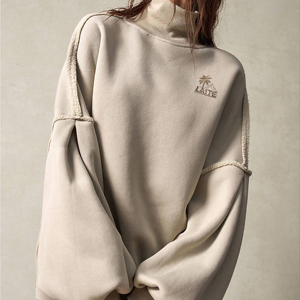
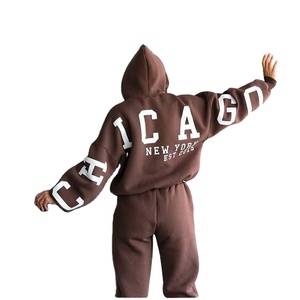
Women's streetwear has moved away from ultra-lightweight fast-fashion textiles. Today's consumer demands high-density, durable hand-feel fabrics: 380 GSM to 450 GSM French Terry cotton for hoodies, 240 GSM combed cotton for oversized graphic tees, and structured linen-cotton weaves for wide-leg pants. Furthermore, advanced construction details such as reverse sewing lines, mock-neck lantern sleeves, and raw-edge drop shoulders are becoming standard baseline requirements for high-margin streetwear lines.
Trend B: Modular Two-Piece Sets & Co-Ord Dominance
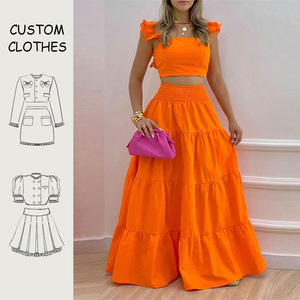
Procurement data indicates a 42% year-over-year surge in buyer demand for matching two-piece sets—combining casual tops, skirts, hoodies, and wide-leg joggers. Co-ord sets maximize consumer utility while allowing brands to achieve higher Average Order Value (AOV). Factories with dedicated multi-garment assembly lines capable of matching dye lots between woven bottoms and knitted tops provide a distinct competitive edge.
Trend C: Mandatory Supply Chain Traceability & Eco-Fibers
With incoming European Union regulations regarding Digital Product Passports (DPP) and strict eco-design criteria, streetwear procurement must prioritize mills using BCI Cotton, Eco-Viscose, and Recycled Polyamides. Sustainable apparel sourcing is no longer a marketing novelty—it is a critical legal and commercial risk mitigation strategy for international importers.
4. Comprehensive B2B Apparel Procurement FAQ
Clear operational answers to the most crucial manufacturing, sampling, lead-time, and logistics queries encountered by global fashion importers.
Q1: What are your standard Minimum Order Quantities (MOQs) for OEM/ODM custom garments?
Our production lines are engineered for flexibility. Standard OEM custom garments (such as custom logo hoodies, two-piece sets, and woven cotton dresses) typically start at 100 to 200 pieces per style/colorway. For stock apparel bales or excess inventory lots, flexible bulk ordering is available.
Q2: How do you ensure fabric quality and color accuracy between sample approval and bulk production?
We utilize standardized Pantone (TCX/TPG) color matching alongside rigorous lab-dip testing. Every fabric batch undergoes pre-shrunk treatment, colorfastness testing against washing and friction, and GSM weight verification prior to automated cutting.
Q3: Can you assist with full tech pack development and pattern grading?
Yes. Our in-house technical team works directly from your preliminary sketches, mood boards, or physical reference garments to construct comprehensive digital CAD patterns, tech packs, and size grading charts customized to target regional fits (US, EU, AU, Asian sizing).
Q4: What are the standard lead times for prototyping and bulk manufacturing?
Sample development and fit approval generally require 7 to 12 business days upon fabric availability. Full-scale bulk production typically ranges from 25 to 35 days depending on style complexity, custom trims, and total order volume.
Q5: What sustainable fabric options are readily available in your factory?
We maintain integrated sourcing networks for BCI Cotton, Organic GOTS Cotton, Eco-Viscose, Recycled Polyester (rPET), and Polyamide blends. Transaction certificates and material compliance documentation are provided upon request.
Q6: How is quality control handled before international shipping?
We strictly follow AQL 2.5 / 4.0 inspection standards. Our inline QC supervisors check every stage—from cut-piece inspection to sewing seam strength, embroidery/print durability, thread trimming, needle detection, and final export carton packing.
Partner with a Premier Women's Apparel Manufacturer Today
Whether you are launching a new streetwear collection, scaling your private label brand, or seeking reliable OEM/ODM factory capacity, our team delivers high-craftsmanship solutions tailored to your operational goals.
Get a Quote