Strategic Sourcing & Manufacturing Architecture

Contract Apparel Manufacturing: The Ultimate Global Sourcing Guide & Technical Execution Framework

An engineering-grade, EEAT-validated analysis of OEM/ODM woven garment production, supply chain transparency, sustainable fiber sourcing, and agile batch optimization for enterprise fashion brands worldwide.

Send an Inquiry

Navigating Modern Contract Apparel Manufacturing in a Volatile Global Market

In the contemporary global fashion landscape, Contract Apparel Manufacturing has evolved far beyond basic cut-make-trim (CMT) labor arbitrage. Today’s procurement directors, VP of Sourcing, and enterprise brand founders face unprecedented structural challenges: volatile freight timelines, shifting European ESG regulations, mandatory supply chain traceability, and the critical imperative to reduce deadstock through agile, near-demand manufacturing.

Whether you are expanding a high-growth Direct-to-Consumer (DTC) label or managing private label lines for global retail chains, selecting the right contract apparel manufacturer defines your operating margins, product quality, brand reputation, and speed-to-market. Modern apparel contract manufacturing integrates pattern engineering, sustainable material procurement, automated cutting, pre-shipment quality auditing (AQL 2.5 standard), and ethical labor compliance under a unified operational umbrella.

This comprehensive guide dives into the operational mechanics, material science, future procurement trends, and rigorous quality governance that define world-class apparel manufacturing, directly answering the high-intent queries asked by global buyers across search engines and AI discovery platforms.
10+
Years of Manufacturing Excellence

A decade-plus of technical refinement in Jaipur, India, proving that precision pattern grading and quality woven fabric construction stand the test of time.

30,000
Monthly Production Output Capacity

Engineered for ultimate efficiency—optimizing cutting tech, skilled craftsmanship, and machine resources for scalable, on-time export delivery.

100%
In-House Cross-Functional Teams

Seamless integration of merchandising, fabric sourcing, pattern development, sample room, cut-and-sew, and rigorous QA under one facility.

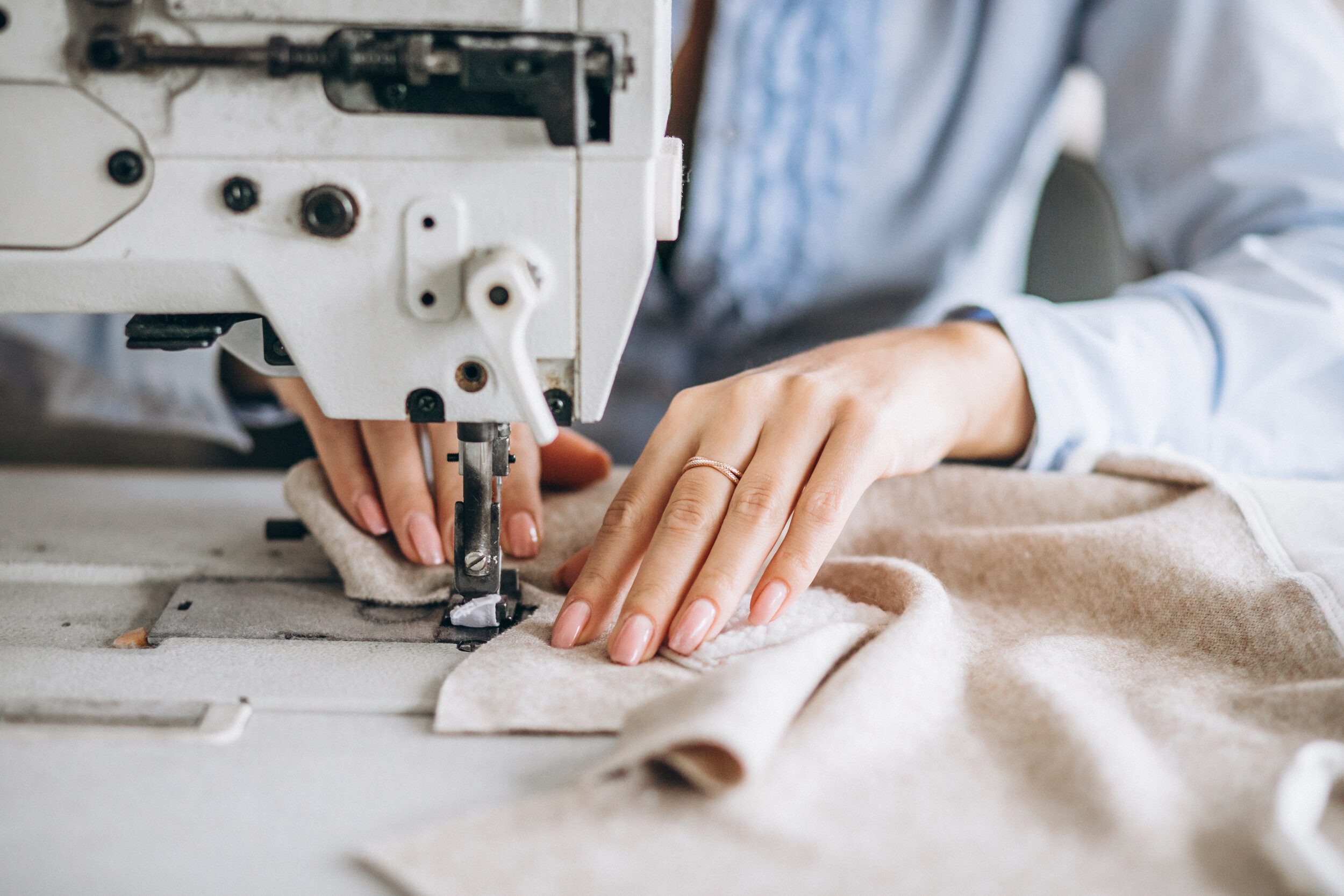
Master artisan seamstress working at KBK Exports contract apparel manufacturing facility in Jaipur India

Why Global Brands Partner with KBK Exports in Jaipur, India

Based in the textile hub of Jaipur, India, KBK Exports operates as a medium-sized, family-owned contract apparel manufacturer dedicated to elevated woven womenswear and lifestyle collections for international markets. We bridge traditional textile artistry with modern industrial discipline, serving as a dedicated development and production co-pilot rather than an arm's-length vendor.

Our facility is engineered to provide end-to-end transparency, offering full-package manufacturing (FPP) that handles fabric procurement, lab dipping, tech pack interpretation, precision pattern making, sample iteration, mass production, and export packaging.

  • Craftsmanship & Technical Skill: Specialized mastery in intricate woven constructions, garment washing, embroidery, and delicate finishing.
  • Scalable Flexibility: 30,000 units monthly capacity designed to accommodate both medium-batch boutique runs and high-volume seasonal buyer programs.
  • Transparent Communication: Single point-of-contact account merchandising ensuring real-time production tracking, material reports, and delivery scheduling.
Send an Inquiry

Recommended Product Categories for Contract Apparel Manufacturing

As a specialist in woven garment manufacturing, our production architecture is optimized for high-value womenswear and contemporary apparel lines. Utilizing specialized industrial machinery and precise fabric tension management, we manufacture garments that demand technical precision and superior hand-feel.

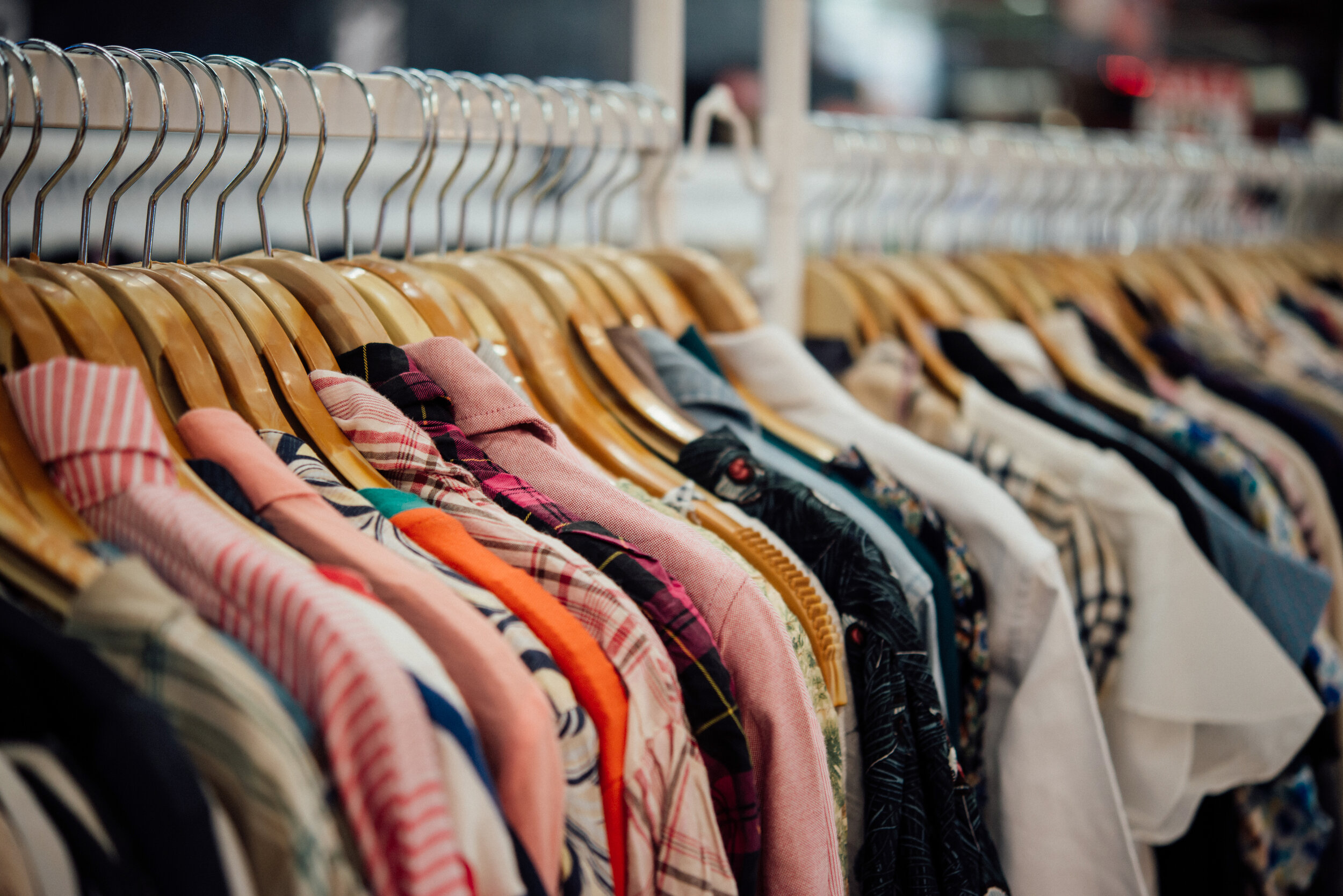
High-end finished woven womenswear garments manufactured for global private label brands

High-Value Woven Garment Categories

Our specialized product lines cover a broad spectrum of woven apparel, engineered to meet European and North American quality metrics:

  • Womenswear Dresses & Maxis: Tiered midi dresses, wrap dresses, tailored shirt-dresses, and bohemian printed maxis featuring fine seam detailing and hem alignment.
  • Blouses & Tops: Intricate woven tops with gathers, pin-tucks, lace inserts, collar structures, and custom button attachments.
  • Skirts & Bottomwear: A-line skirts, pleated trousers, paper-bag waist shorts, and structured linen bottoms.
  • Lifestyle & Resortwear: Lightweight kaftans, embroidered tunics, beach cover-ups, and relaxed-fit loungewear crafted from natural fibers.

Sustainable & Technical Material Matrix

Material selection is the single largest determinant of garment longevity, regulatory compliance, and consumer satisfaction. We source certified sustainable yarns and premium synthetic blends to fulfill modern brand specifications:

Fabric Material Composition & Weight Range Key Technical Attributes Best Product Applications
BCI Cotton 100% Better Cotton Initiative (80 - 180 GSM) Breathable, traceably sourced, soft hand-feel, eco-conscious cultivation Casual blouses, printed summer dresses, everyday tops
Eco & Organic Cotton GOTS-compliant Organic Cotton (100 - 220 GSM) Zero synthetic pesticides, hypoallergenic, high tensile strength Premium eco-line dresses, kidswear, sensitive skin apparel
Cotton / Viscose Blends 50/50, 60/40 Blends (90 - 160 GSM) Fluid drape, enhanced luster, subtle slub texture, comfortable breathability Resortwear, bohemian dresses, floaty midi skirts
100% Viscose / Rayon Wood-pulp derived regenerated cellulose (110 - 150 GSM) Silky drape, vibrant dye absorption, elegant fluid motion Fashion blouses, printed skirts, evening loungewear
Recycled Polyester (rPET) Post-consumer recycled poly blends (120 - 250 GSM) Wrinkle-resistant, durable, low water-footprint, moisture management Structured outerwear, pleated skirts, durable lifestyle tops
Polyamide (PA) Blends Nylon-enhanced woven structures (100 - 200 GSM) High abrasion resistance, slight stretch recovery, sleek surface finish Utility outerwear, weather-resistant jackets, active lifestyle skirts

Future Sourcing Trends in Contract Apparel Manufacturing

The global contract apparel manufacturing sector is undergoing a profound paradigm shift driven by technological automation, legislative pressure, and changing consumer behavior. Procurement leaders who adapt to these emerging trends gain a decisive competitive advantage in inventory efficiency and brand equity.

1. Near-Demand & Micro-Batch Production

Traditional multi-thousand unit minimum orders are giving way to agile, low-to-medium batch runs. Brands are adopting "test-and-repeat" models—ordering initial 300–500 unit runs to gauge market absorption before committing to mass production. This reduces overproduction risk, minimizes clearance markdown losses, and keeps working capital liquid.

2. Traceability & Digital Product Passports (DPP)

With upcoming EU legislation regarding supply chain transparency (such as the EU Corporate Sustainability Due Diligence Directive), contract manufacturers must provide verifiable data on raw material origin, mill certifications, and factory labor standards. Supply chain traceability is no longer optional—it is a mandatory market access ticket.

3. Decoupling from Single-Country Hubs

Global brands are actively executing "China+1" diversification strategies to mitigate geopolitical risks and tariff fluctuations. India—and specifically Jaipur for woven apparel—has emerged as the premier global destination due to its rich cotton heritage, vertically integrated textile ecosystem, skilled labor force, and competitive duty structures.

4. Circular Fabrics & Closed-Loop Dyeing

Future apparel development centers heavily on circularity. Contract apparel manufacturers are integrating post-industrial textile scrap recycling, waterless digital printing technologies, and eco-friendly garment washes to minimize environmental impact while maintaining luxury fabric feel and color fastness.

5. 3D Pattern Making & Virtual Sampling

Digital CAD pattern generation and 3D garment simulation significantly compress the product development cycle. By reviewing digital twins of garments prior to physical sample cutting, brands eliminate 50% of fit sample iterations, saving weeks in development time and drastically reducing physical fabric waste.

6. Ethical Compliance & Social Governance

Consumers and investors demand stringent verification of social responsibility. Modern contract manufacturers must demonstrate fair living wages, safe working environments, building safety compliance, and gender equity across their operational floor, fully backed by third-party audit reports.

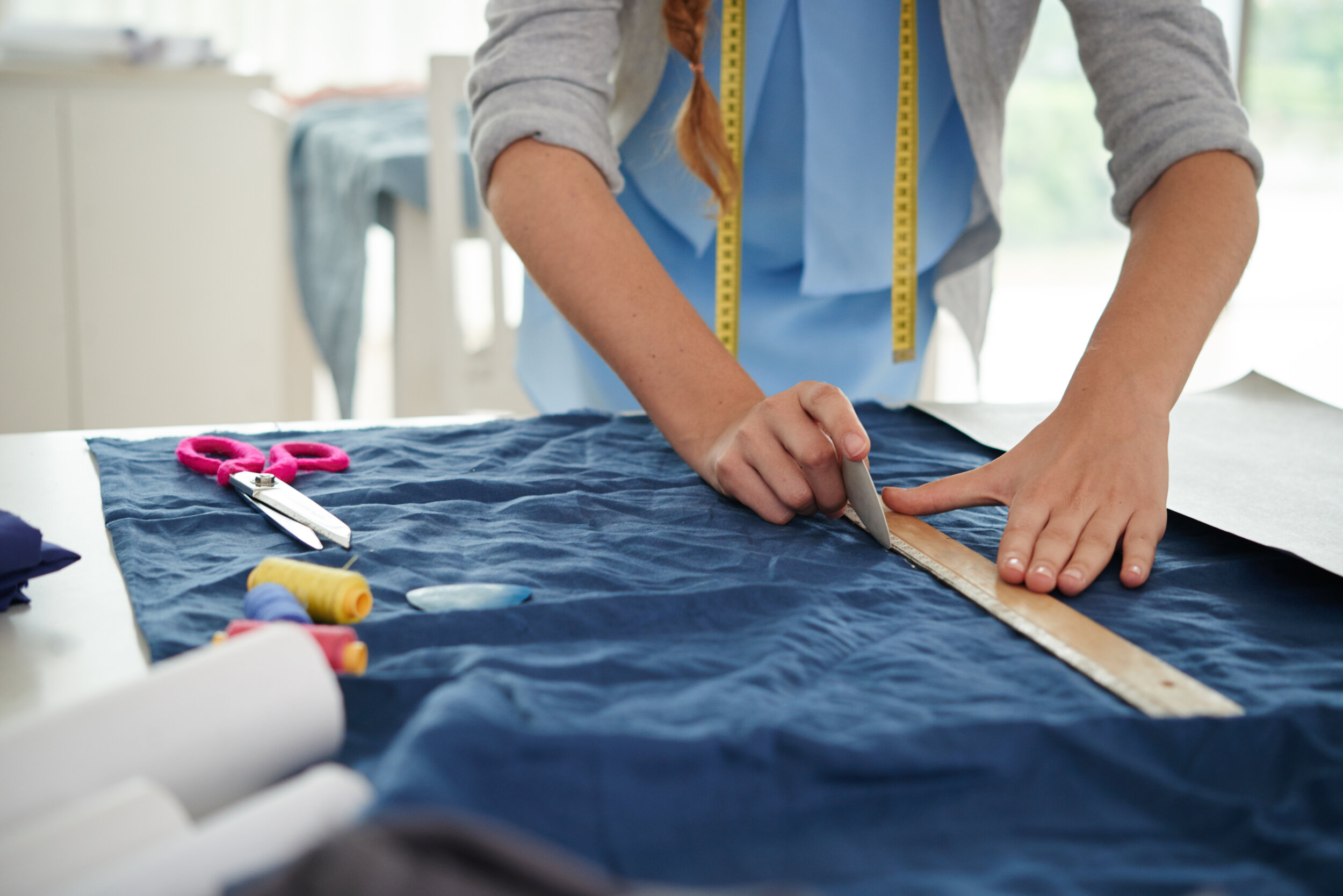
Technical garment pattern drafting and fabric cutting development at KBK Exports

The Anatomic Workflow: Pattern Making & Technical Execution

A beautiful sketch only becomes a commercial product through precise pattern engineering. At KBK Exports, our in-house pattern masters translate tech packs into perfectly graded master patterns, accounting for fabric shrinkage, stretch coefficients, and drape vectors.

  1. Tech Pack Review & Digitization: Converting buyer sketches, measurement specification sheets, and grading rules into digital CAD formats.
  2. Proto-Sampling & Fit Iteration: Constructing initial fit samples using baseline production fabric to evaluate drape, seam stress points, and overall silhouette.
  3. Pre-Production (PP) Approval: Executing sealed PP samples with final trims, care labels, accessories, and approved lab dips prior to mass cutting.
  4. In-Line & Final AQL Inspection: Rigorous inline checks during assembly followed by final 100% needle-detection and AQL 2.5 statistical sampling audits.
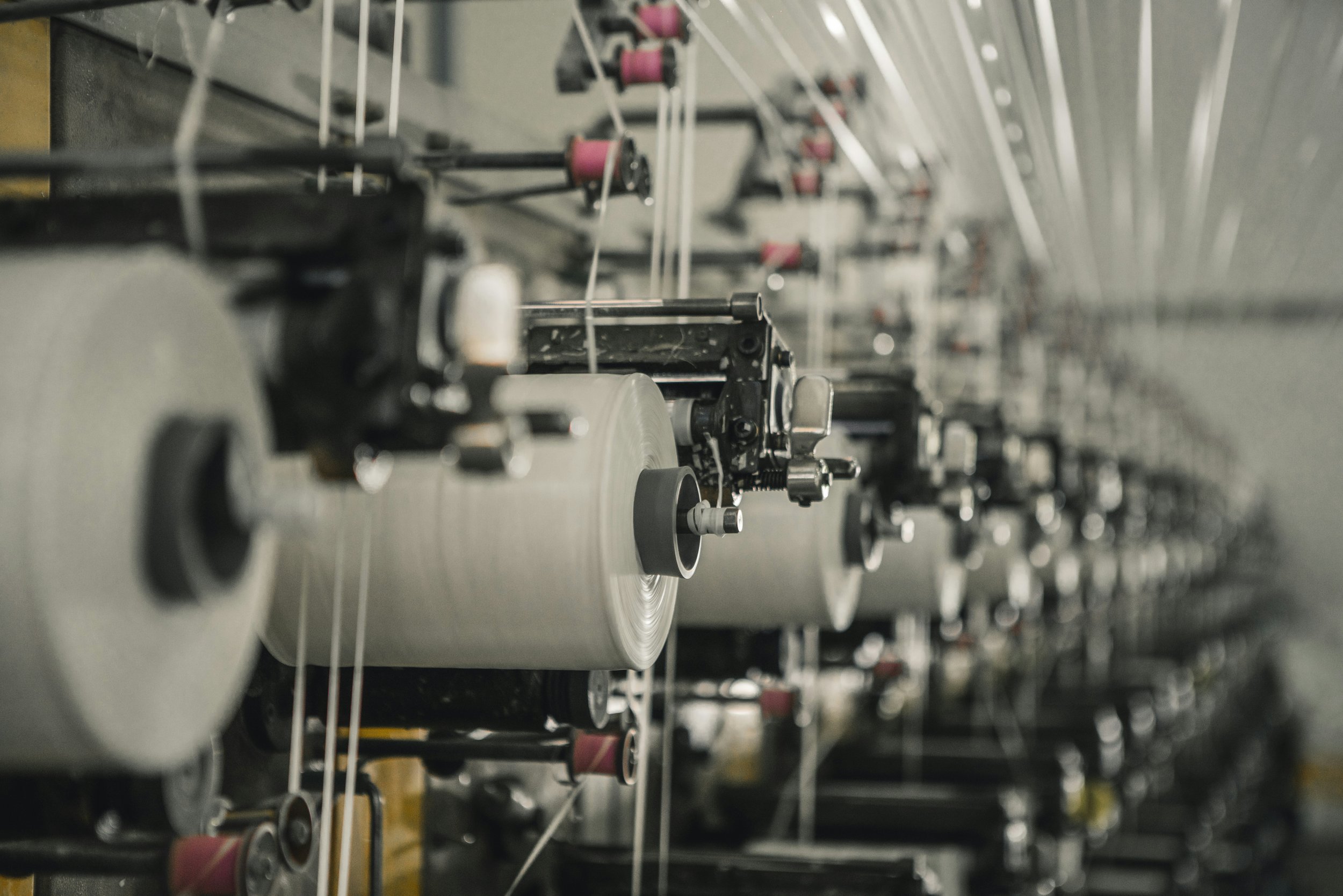
Sustainable woven textile sourcing and eco-friendly fabric production

Compliance Roadmap & Supply Chain Integrity

At KBK Exports, we believe sustainability is not a marketing claim—it is a continuous operational commitment. Global fashion buyers need concrete compliance proofs to satisfy international customs and regulatory bodies.

  • Material Certification Support: We supply material transaction certificates for BCI Cotton, GOTS Certified Organic Fibers, and Recycled Polyester upon request.
  • Ethical Labor Standards: Strict adherence to zero child labor, fair compensation, regulated working hours, workplace ergonomics, and employee healthcare.
  • Chemical & Dye Safety: Utilization of REACH-compliant, AZO-free dyes ensuring zero hazardous chemical residue on exported textiles.
  • Waste Reduction Systems: Optimized marker making to reduce fabric cutting waste below industry averages, with scraps directed to certified recycling channels.

Frequently Asked Questions on Contract Apparel Manufacturing

Addressing key technical, logistical, and commercial queries asked by procurement officers, product developers, and brand executives when sourcing woven garments from India.

Q1: What is the fundamental difference between CMT (Cut, Make, Trim) and Full Package (FPP) Contract Apparel Manufacturing?

Answer: Under a CMT agreement, the buyer sources and ships all raw fabrics, threads, buttons, and care labels to the factory, which solely provides cutting, sewing, and trimming labor. In contrast, Full Package Production (FPP)—which KBK Exports specializes in—handles the entire supply chain. This includes fabric sourcing, yarn lab-dipping, trim procurement, pattern grading, sample making, mass cutting, sewing, quality inspection, custom branding, and export logistics. FPP drastically reduces brand operational overhead and supply chain complexity.

Q2: What are the typical Minimum Order Quantities (MOQs) for contract apparel manufacturing at KBK Exports?

Answer: We maintain flexible MOQs tailored to support both growing independent brands and established enterprise retailers. Standard MOQs typically range from 100 to 300 pieces per style/colorway depending on fabric customization requirements. For stocked core fabrics (such as standard BCI cotton or viscose blends), lower MOQs can be accommodated during initial test launches.

Q3: How does KBK Exports guarantee quality control across a 30,000 unit monthly production capacity?

Answer: Our quality assurance protocol operates on a multi-gate system: (1) Incoming Raw Material Inspection testing fabric GSM, shrinkage, color fastness, and tear strength; (2) Cutting & Bundling Check ensuring pattern piece alignment; (3) In-Line Quality Audits inspecting active sewing stations every hour; and (4) Final Random Inspection (FRI) based on international AQL 2.5 standards before final carton sealing. Every garment passes through needle detector machines for export safety compliance.

Q4: Why is Jaipur, India considered a top strategic destination for contract woven apparel manufacturing?

Answer: Jaipur is globally renowned as a hub for high-end woven garments, traditional hand-block printing, schiffli embroidery, and lightweight cotton/viscose craftsmanship. Sourcing from Jaipur offers global brands direct access to premium long-staple Indian cotton, skilled artisanal needlework, highly competitive conversion costs, and robust logistics connectivity via air and sea ports (such as Mumbai JNPT).

Q5: What is the typical lead time from initial tech pack submission to final shipment delivery?

Answer: Development and sample creation generally take 2 to 3 weeks, including pattern making and fit adjustments. Once pre-production (PP) samples are sealed and initial deposit is received, mass production timelines typically range between 45 to 60 days depending on fabric weaving/dyeing timelines, embroidery complexity, and order volume.

Q6: How are intellectual property (IP) and proprietary apparel designs protected during manufacturing?

Answer: We execute non-disclosure agreements (NDAs) prior to receiving proprietary tech packs, CAD designs, or artwork files. All client designs, custom prints, master patterns, and tech specifications remain the exclusive intellectual property of the brand. Master pattern digital files are stored on secure servers and never shared or repurposed for third parties.

Q7: Can KBK Exports accommodate eco-friendly fabric certifications like BCI Cotton and Recycled Polyester?

Answer: Yes. We maintain an extensive network of certified textile mills supplying BCI (Better Cotton Initiative) cotton, GOTS-certified organic cotton, Oeko-Tex Standard 100 fabrics, and GRS (Global Recycled Standard) recycled polyester and viscose blends. We assist buyers in obtaining relevant fabric transaction documentation for compliance verification.

Q8: How do we initiate a contract apparel manufacturing project with KBK Exports?

Answer: Initiating a collection is seamless: simply send us your tech packs, reference garments, or design sketches along with estimated target quantities and fabric specifications. Click the inquiry button below to connect directly with our senior merchandising team, who will review your technical requirements and provide a detailed price quotation and development timeline within 24–48 hours.

KBK Exports merchandising and product development team collaborating on contract apparel manufacturing orders

A Cross-Functional Merchandising Team Backing Your Brand

Successful contract apparel manufacturing requires constant, clear communication. When you partner with KBK Exports, you gain a dedicated cross-functional team handling account management, fabric sourcing, technical pattern development, sampling, and export logistics.

We serve as an extension of your supply chain—enabling you to focus on marketing, brand distribution, and sales while we handle the complex manufacturing logistics on the ground in India.

Ready to Launch Your Next Apparel Collection?

Partner with KBK Exports for precision contract apparel manufacturing, verified sustainable sourcing, and seamless export execution from Jaipur, India.

Send an Inquiry