Cotton Viscose Blend Clothing: Engineering, B2B Sourcing & Global OEM Production Trends

An authoritative technical handbook for fashion brand buyers, sourcing directors, and apparel product managers. Discover how combining long-staple cotton with regenerated cellulose creates market-leading drape, durability, and commercial margin optimization.

E-E-A-T Verified Content Jaipur Export Manufacturing Hub B2B Procurement Benchmarks 30,000 Units/Month Capacity Get a Quote

The Science of Cotton Viscose Blend Clothing: Balancing Structure and Liquidity

In global fashion sourcing, the procurement of Cotton Viscose Blend Clothing represents one of the most commercially versatile decisions a brand director can make. Pure cotton offers unbeatable breathability, structural tensile strength, and skin-friendly hypoallergenic qualities. However, 100% woven cotton often presents limitations in drape fluidness, exhibits high crease propensity, and can feel rigid in higher GSM weights. Conversely, 100% viscose rayon delivers sensational silky softness, deep luster, and elegant fluid drape, yet suffers from diminished wet-tensile strength and susceptibility to dimensional distortion during industrial laundering.

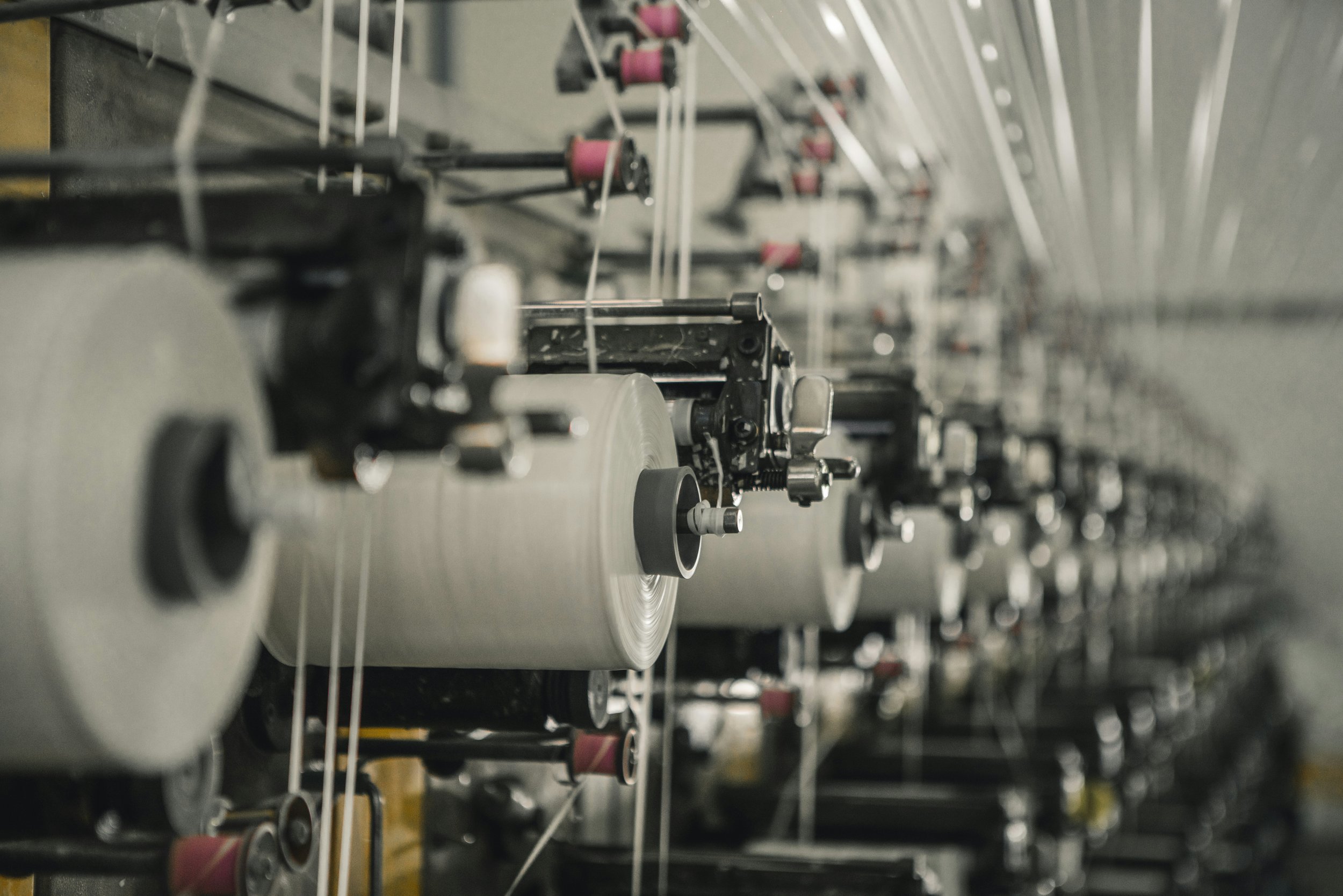
By precision-blending long-staple cotton fibers with regenerated cellulosic viscose filaments at yarn spinning stage, textile engineers overcome the inherent weaknesses of both fibers. The resulting hybrid textile yields a fabric that combines structural resilience with effortless fluidity. For international fashion buyers, understanding yarn counts, fiber ratios, and loom configurations is paramount to achieving optimized garment drape while protecting gross retail margins.

Blend Ratio (Cotton / Viscose) Target GSM Range Primary Physical Characteristics Ideal Garment Category
60% Cotton / 40% Viscose 110 - 140 GSM Balanced hand-feel, subtle sheen, reduced creasing, high tear strength Resort Blouses, Tiered Midi Dresses, Summer Tunics
50% Cotton / 50% Viscose 125 - 160 GSM Maximum fluid drape, silky texture, vibrant dye depth, soft handle Flowy Palazzo Pants, Loungewear Sets, Wrap Dresses
70% Cotton / 30% Viscose 140 - 185 GSM Enhanced durability, crisp tailorability, breathable structure, low shrinkage Structured Tailored Shirts, Casual Utility Shorts, Shirtdresses
30% Cotton / 70% Viscose 90 - 120 GSM Ultra-lightweight, high sheen, liquid-like movement, cool skin-touch Evening Resort Wear, Sheer Scarves, Layering Tops

At KBK Exports, our Jaipur-based weaving and garment production facilities utilize advanced yarn prep technology. We closely monitor fiber moisture regain (cotton ~8.5%, viscose ~11-13%) to ensure that warp tension across the loom remains uniform, eliminating bow and skew defects before wet processing begins.

Garment pattern engineering and fabric design process for cotton viscose clothing at KBK Exports

Tailored Pattern Making for Cellulosic Blends

Woven cotton viscose fabrics behave distinctly under the cutting knife and sewing needle compared to rigid synthetic polyesters. Due to the high suppleness of viscose yarns, improper pattern grading or seam allowance calculations can lead to seam slippage or wavy hemlines. Our in-house master pattern makers bring over a decade of specialized expertise to compensate for bias elongation, ensuring every sample matches approved tech-pack spec sheets down to the millimeter.

  • CAD-assisted marker optimization achieving up to 88% fabric yield efficiency
  • Customized allowance adjustments for fabric shrinkage and bias relaxation
  • Seam slippage prevention via reinforced safety-stitching and french seams
  • Rapid prototype sampling delivered within 7 to 10 business days

Recommended Cotton Viscose Blend Product Lines for Global Fashion Brands

In response to changing consumer preference toward soft luxury and tactile natural-feeling garments, cotton viscose blend apparel has captured significant market share in Europe, North America, and Australia. Retail buyers seeking high-margin inventory should target specific high-performing product categories:

Tiered Resort Midi & Maxi Dresses

Recommended Spec: 60/40 Cotton Viscose Plain Weave | 120 GSM | Reactive Print

Tiered dresses require structural hold at the bodice while cascading smoothly over the hips. A 60/40 cotton-viscose blend ensures gathering seams maintain volume without weighting down the wearer. Perfect for bohemian floral prints and vibrant solid shades.

Tailored Oversized Summer Blouses

Recommended Spec: 70/30 Cotton Viscose Slub Weave | 135 GSM | Garment Washed

Combining slub cotton yarn with fine viscose creates a subtle textured surface reminiscent of linen, but with vastly superior wrinkle recovery and skin softness. Ideal for smart-casual womenswear collections and transitional spring drops.

Relaxed Fit Wide-Leg Trousers

Recommended Spec: 50/50 Cotton Viscose Twill | 165 GSM | Enzyme Softened

Twill weaves woven from cotton viscose yarns deliver an opulent heavy drape while remaining cool and breathable. High-waisted paperbag trousers and relaxed palazzo pants benefit immensely from this rich, fluid fabric weight.

Get a Quote
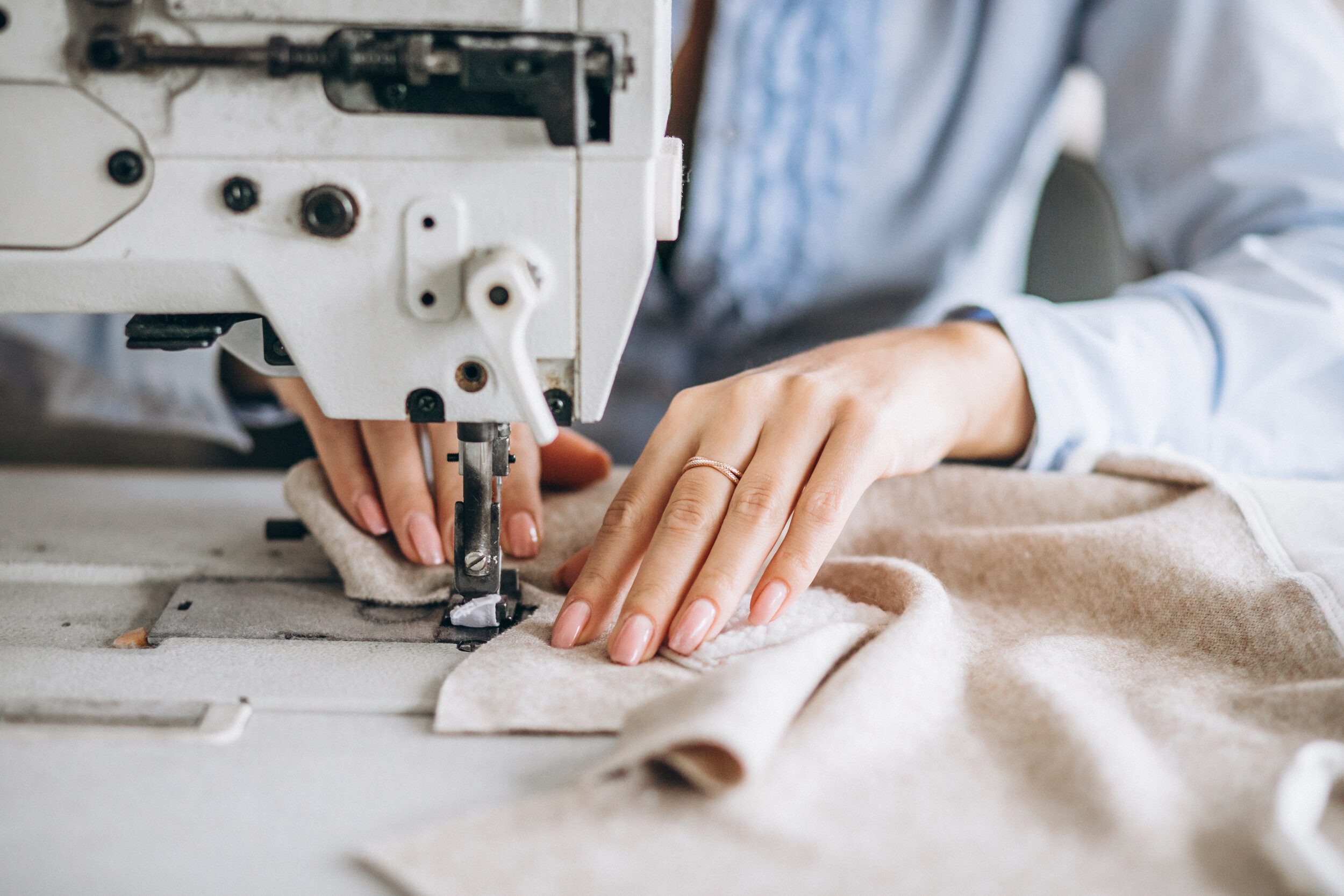
Expert tailor crafting cotton viscose clothing at KBK Exports garment factory in Jaipur

Integrated Cut-and-Sew Excellence in Jaipur

Operating from the industrial manufacturing zone of Sitapura, Jaipur, KBK Exports provides global fashion brands with an agile, high-capacity manufacturing partnership. Our modern sewing floors are equipped with high-speed automatic lockstitch machinery, edge trimmers, and tension-controlled feed dogs specifically calibrated for smooth viscose-cotton handling.

  • Monthly production capacity: 30,000 finished woven units
  • In-line 100% needle detection and strict AQL 2.5 quality audits
  • Specialized finishing unit with vacuum pressing and steam shaping tables
  • Full compliance with fair wage labor, ergonomic safety, and zero-child-labor policies

The global apparel supply chain is undergoing a fundamental transformation driven by legislative mandates, volatile raw material commodity costs, and heightened AI-driven consumer search intentionality. Sourcing managers responsible for cotton viscose blend garment procurement must navigate three major macro trends:

1. EU Digital Product Passport (DPP) & Traceability Requirements

Under the European Union’s Eco-Design for Sustainable Products Regulation (ESPR), fashion brands marketing products within the EU will be required to provide verifiable fiber origin data by 2026. Cotton viscose blended garments are particularly under scrutiny to ensure that wood pulp used for viscose fiber production originates from non-endangered, FSC-certified or PEFC-certified managed forests (preventing deforestation in rainforest biomes). Concurrently, cotton inputs must trace back to sustainable farming initiatives such as Better Cotton Initiative (BCI) or Organic GOTS certification. KBK Exports works alongside certified spinning mills to supply chain documentation for full audit compliance.

2. Price Volatility Hedging via Fiber Blending

Global raw cotton prices fluctuate significantly due to climate variability, crop yield shifts, and freight disruptions. Pure cotton garments subject fashion retailers to margin volatility. By strategic integration of viscose filaments—whose price structure remains more predictable due to controlled wood pulp processing—brands establish cost stability across multi-season purchasing cycles without sacrificing natural fiber marketing appeal.

3. Circularity and Next-Gen Cellulosics (ECOVERO™ & Circulose)

The next evolution in cotton viscose blend clothing lies in circular cellulosic feedstock. Brand procurement teams are increasingly specifying blended fabrics containing recycled cotton waste merged with low-impact viscose technologies such as Liva Eco or Lenzing™ ECOVERO™. These advanced cellulosic fibers generate up to 50% lower emissions and water impact compared to conventional viscose, providing brands with compelling "Information Gain" marketing narratives backed by quantifiable Life Cycle Assessments (LCA).

Sustainable woven textile manufacturing and certified fiber sourcing at KBK Exports

Technological Innovations in Cotton Viscose Processing & Dyeing

Historically, dyeing cotton-viscose blend fabrics presented color fastness and shade matching challenges because cotton (a seed fiber) and viscose (a regenerated staple fiber) absorb dyestuffs at different rates and swelling temperatures. Failure to equalize dye absorption yields a heathered or streaky appearance in solid-dyed garments.

Modern textile technology has solved these challenges through advanced processing methodologies utilized by KBK Exports’ certified dye-house partners:

  • 01 Bifunctional Reactive Dyeing: Utilizing dual-reactive group dyestuffs that covalently bond simultaneously to the hydroxyl groups of both cotton and viscose, achieving shade uniformity within Delta E < 0.8 accuracy.
  • 02 Bio-Polishing (Enzyme Washing): Applying cellulase enzymes during garment finishing to digest micro-fibrils, virtually eliminating surface fuzz and achieving a high anti-pilling rating (Grade 4-5 under ISO 12945-2).
  • 03 Vortex Spinning Yarn Tech: Utilizing Murata Vortex Spinning (MVS) to create cotton-viscose yarns with low hairiness, exceptional pilling resistance, and superior washing longevity compared to traditional ring-spun yarns.
  • 04 Zero-Liquid Discharge (ZLD) Wet Processing: Partnering with processing units that recycle up to 95% of process water, ensuring minimal environmental footprint for eco-conscious international markets.
Finished womenswear cotton viscose clothing collections on display for global fashion importers

Export-Ready Packaging & Private Label Customization

From custom branded woven labels and FSC-certified hangtags to barcode ticketing, polybagging, and floor-ready hanger presentation, KBK Exports manages full private label execution. We ensure your cotton viscose blend clothing arrives directly at your fulfillment centers or retail doors completely compliant with regional import packaging guidelines.

Get a Quote

Frequently Asked Questions: B2B Sourcing & Manufacturing

Global apparel buyers, sourcing managers, and fashion entrepreneurs frequently ask technical questions when evaluating Cotton Viscose Blend Clothing suppliers. Below are direct, expert answers derived from real factory floor practices.

What are the primary performance advantages of Cotton Viscose Blend Clothing over 100% Cotton or 100% Viscose?
Cotton Viscose blends offer a synergetic balance. Cotton provides structural stability, high breathability, tensile strength, and low wet deformation. Viscose adds silk-like softness, elegant drape, high moisture regain, and rich dye intensity. Blending reduces the harsh stiffness and heavy creasing of pure cotton while bolstering the wet-strength weakness and dimensional fragility of pure viscose.
How does KBK Exports prevent high shrinkage rates in cotton-viscose woven garments?
Viscose fibers absorb significant water during washing, expanding in diameter and contracting in length. To prevent garment shrinkage post-purchase, KBK Exports implements pre-shrinking and Sanforization finishes on all woven fabric rolls prior to cutting. Furthermore, we conduct garment wash trials during pre-production sampling to guarantee that final bulk garments strictly adhere to ISO dimensional stability standards (less than +/- 3% variation).
What is the standard Minimum Order Quantity (MOQ) for custom private label orders?
Our standard flexible MOQ is 300 to 500 pieces per style/colorway for custom-dyed or custom-printed woven fabrics. For stock-supported greige fabrics with standard color options, we can accommodate smaller trial orders starting from 150 pieces per style to support boutique fashion brands and emerging designers.
What are the production lead times from lab dip approval to bulk shipment?
Sample development and lab-dip approvals typically take 7 to 10 working days. Upon sample sign-off and deposit confirmation, bulk fabric weaving and dyeing require 25 to 30 days, while cutting, sewing, finishing, and final AQL 2.5 inspection take an additional 20 to 25 days. Total bulk lead time is approximately 45 to 60 days ex-factory Jaipur.
Can KBK Exports produce certified sustainable Cotton Viscose garments (e.g., BCI Cotton, ECOVERO™)?
Yes. We specialize in sustainable fabric sourcing. We can produce garments using Better Cotton Initiative (BCI) cotton blended with certified low-impact viscose fibers such as Lenzing™ ECOVERO™ or Livaeco by Birla Cellulose. Full transaction certificates (TC) and material origin documentation can be provided for complete brand transparency.
What fabric testing standards do you perform before shipping orders internationally?
Every fabric lot undergoes rigorous lab testing against major global standards (AATCC / ISO / BS EN): color fastness to washing (Grade 4+), color fastness to rubbing/crocking (dry/wet Grade 4), dimensional stability after washing, seam slippage resistance (>100N), and anti-pilling evaluation. Test reports are shared with buyers prior to shipment release.
How does manufacturing in Jaipur, India compare to other Asian manufacturing hubs?
Jaipur is world-renowned for its deep artisanal heritage in woven textiles, intricate hand-block printing, delicate embroidery, and high-quality womenswear crafting. Combining traditional aesthetic mastery with modern industrial sewing facilities in RIICO Sitapura, Jaipur offers global buyers exceptional value, artistic customization, competitive labor costs, and reliable ocean/air shipping logistics via major ports like Nhava Sheva (Mumbai).
What payment terms and shipping methods do you support for international importers?
We support standard international trade terms including FOB (Free on Board) Mumbai/Delhi, CIF, and DDP (Delivered Duty Paid) for select destinations. Payment terms typically operate on a 30% advance deposit upon Purchase Order issue, with the remaining 70% balance payable against Bill of Lading (B/L) copy or confirmed Irrevocable Letter of Credit (L/C at sight).

Why Partner with KBK Exports for Cotton Viscose Blend Clothing Manufacturing

Selecting a garment manufacturer requires more than finding low unit prices; it demands a strategic partnership grounded in technical expertise, transparent operational governance, and consistent delivery. KBK Exports stands out as a trusted womenswear manufacturer in Jaipur, India, backed by proven factory achievements:

KBK Exports cross-functional account management and production team collaborating in Jaipur office

Core Factory Advantages

  • 10+ Years of Specialized Manufacturing: Over a decade of hands-on technical experience in woven womenswear, apparel engineering, and international export procedures.
  • 30k Monthly Production Capacity: 30,000 units per month output capacity, balancing agility for niche boutique drops with scale for global retail chains.
  • 100% In-House Integrated Team: Pattern making, CAD grading, sampling, merchandising, fabric sourcing, cut-and-sew, and quality control under one unified management team.
  • AQL Strict Quality Control: International AQL 2.5 inspection protocols applied at pre-cutting, in-line assembly, and final pre-packing stages.
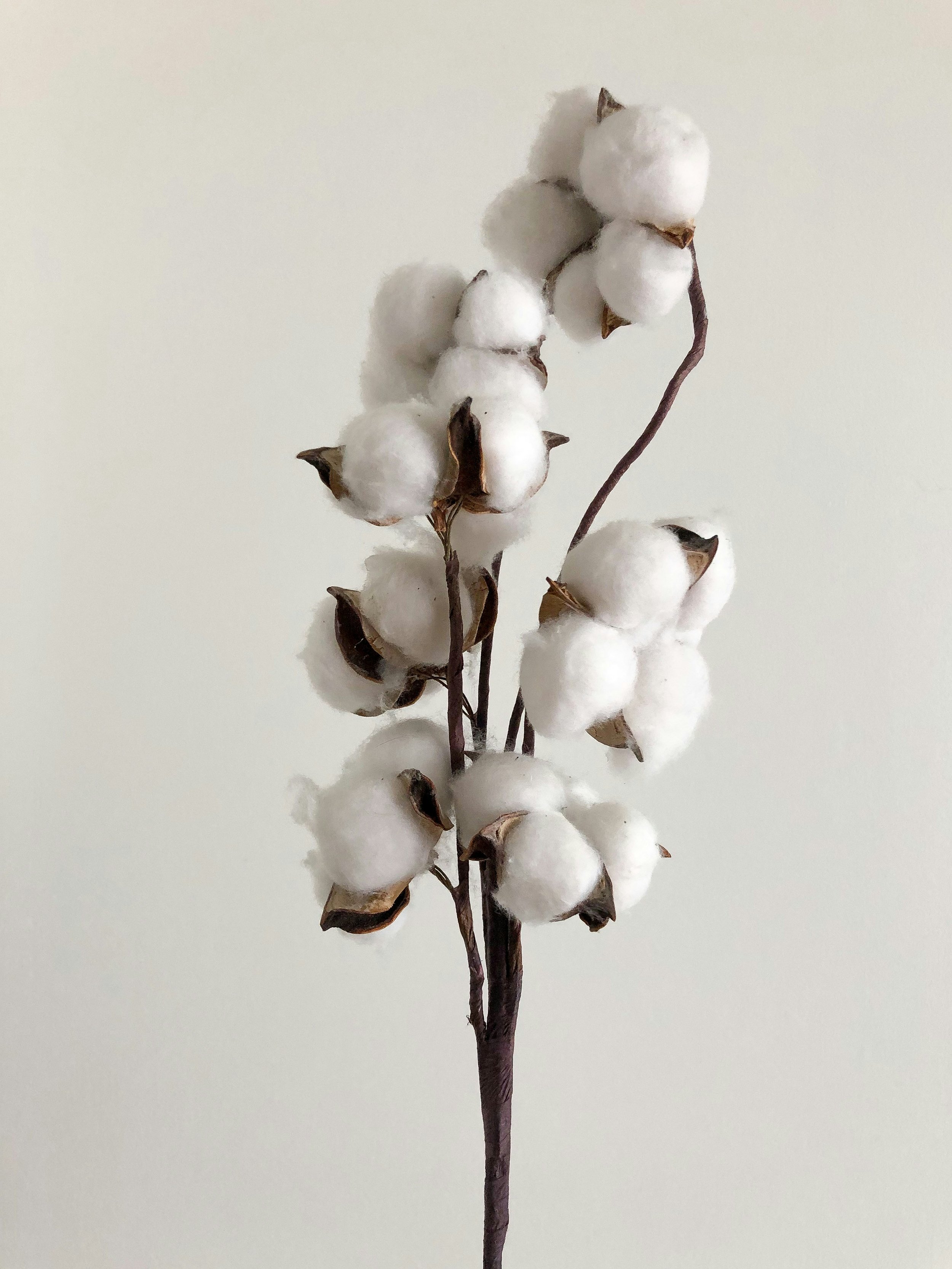
Raw cotton and cellulosic yarn materials used for cotton viscose fabric production at KBK Exports

Versatile Material Sourcing Ecosystem

In addition to premium Cotton Viscose blends, KBK Exports provides global buyers with access to a rich portfolio of natural, recycled, and synthetic woven substrates engineered for modern fashion requirements:

BCI Cotton Organic Cotton (GOTS) Cotton / Viscose 60/40 Cotton / Viscose 50/50 Lenzing™ ECOVERO™ Recycled Polyester (rPET) Polyamide (PA) Blends Linen / Cotton Blends

Our sourcing team works directly with certified spinning and weaving units across Rajasthan, Gujarat, and Tamil Nadu to secure high-grade yarn counts at competitive mill prices.

Elevate Your Next Collection with Master Garment Manufacturers

Request custom fabric swatches, tech-pack consultations, or rapid sample quotes for your Cotton Viscose Blend Clothing lines today.

Get a Quote