
Export-Ready Featured Product Lines for Egyptian Importers
Explore our curated selection of high-volume, pre-inspected apparel styles optimized for North African consumer demand, seasonal climate compatibility, and compliance with Egyptian Customs Authority specifications.
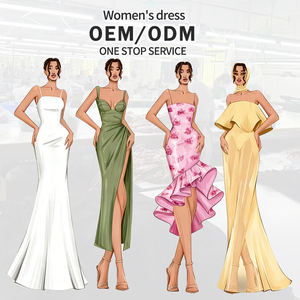
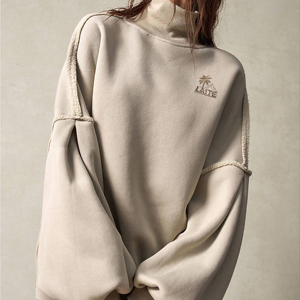
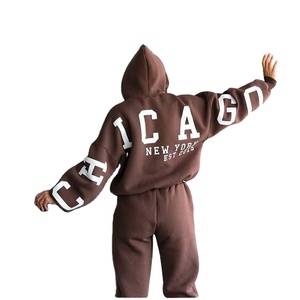
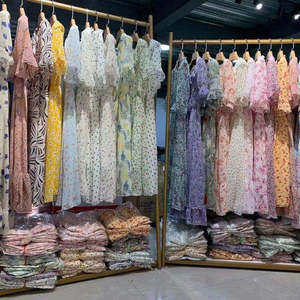
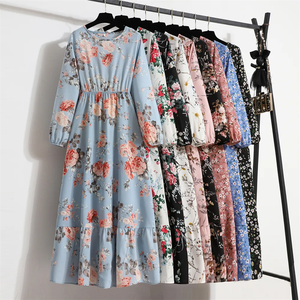
Technical Whitepaper: Precision Garment Quality Assurance for the Egyptian Apparel Market
Navigating the international garment trade corridor between China's manufacturing clusters (Guangdong, Zhejiang, Shandong) and the Egyptian retail market requires rigorous alignment with both localized consumer expectations and strict regulatory frameworks. As Egyptian apparel importers face escalating logistics costs, complex currency dynamics, and stringent import regulations via the Nafeza (National Single Window for Foreign Trade Facilitation) platform, mitigating product defects prior to vessel departure is no longer optional—it is a financial imperative.
Garment quality control (QC) in China for export to Egypt encompasses far more than visual aesthetic checks. It requires an end-to-end technical framework that includes fabric composition verification, yarn-level tension audits, dimensional stability testing under Mediterranean and arid desert heat conditions, and strict adherence to the Egyptian Organization for Standardization and Quality (EOS).
Pre-shipment verification matching Egyptian Customs Law No. 207/2020. Integrated ACID documentation and EOS textile safety compliance.
Standardized ISO 2859-1 single sampling plans ensuring zero critical defects, under 2.5% major defects, and under 4.0% minor defects.
Eliminating high customs clearance demurrage and container return fees caused by non-compliant textile goods at Port Said and Alexandria.
The 5-Stage Garment Inspection Framework for Egyptian Exports
To ensure every garment collection entering cities like Cairo, Alexandria, Giza, and Luxor meets international retail excellence, our China-based quality assurance team executes a systematic 5-stage inspection standard:
Before cutting begins, raw fabrics (such as BCI cotton, linen, viscose, and poly-blends) undergo 4-point fabric inspection. Grams per square meter (GSM) weight tolerance is maintained within ±3%, and yarn color fastness to rubbing and light is laboratory tested.
Conducted when 15% to 20% of the contract quantity has been stitched. Inspectors check stitch-per-inch (SPI) counts, reverse sewing precision, seam slippage, and trim attachments to correct active assembly line defects immediately.
Dedicated QC personnel review 100% of finished garments for loose threads, needle holes, oil spots, asymmetrical collars, and shade grouping variations prior to final retail packaging.
Randomized statistical sampling based on ISO 2859-1. Measurement charts across all size ratios (XS–XXL) are measured with a 0.5cm tolerance limit. Barcode readability, care labels in Arabic/English, and hangtag accuracy are audited.
Ensuring sea-container integrity, humidity control, and anti-mold silica pack insertion. Cartons are stacked systematically to prevent crushing during the 20-30 day ocean transit to Sokhna, Port Said, or Alexandria ports.
Localized Application Scenarios across Egyptian Consumer Segments
Apparel consumption in Egypt is governed by unique climatic, cultural, and socioeconomic factors. China exporters must tailor fabric engineering and quality control criteria to these specific regional applications:
| Application Scenario | Target Product Lines | Key Egyptian Market Requirements | Specific Quality Inspection Focus |
|---|---|---|---|
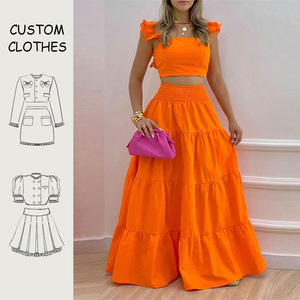
| Greater Cairo Urban Fashion | Linen Cotton Dresses, Casual 2-Piece Sets | High breathability for summer heat (35°C–42°C), modest silhouette coverage, vibrant color retention. | Shrinkage testing (<3% after washing), breathability weave density, non-see-through opacity checks under bright sunlight. |
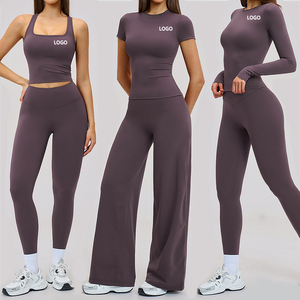
| Alexandria Coastal Retail | Womenswear Activewear, Seamless Yoga Sets | Salt-air corrosion resistant trims, quick-dry moisture management, 4-way stretch recovery. | Elastane stretch recovery percentage, flatlock seam strength (minimum 150N force resistance), sweat-fastness testing. |
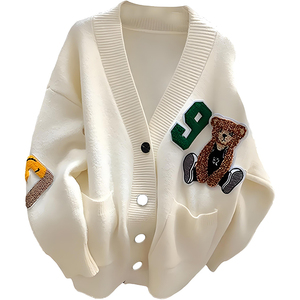
| Upper Egypt Seasonal Knitwear | Ladies Winter Sweaters, Knit Cardigans | Warmth retention for cooler North African winter nights, anti-pilling yarn composition. | Pilling resistance rating (Grade 4+ via Martindale method), neck hole elasticity retention, weight consistency per piece. |
| Off-Price Wholesale Outlets | Random Mix Bulk Bales, Stock Apparel | Cost-effective turnover, varied assortment, zero structural fabric damage. | Grade A/B sorting validation, stain screening, zip/button mechanical durability, precise net weight per bale. |
2025–2030 Localized Market Trends & Trade Regulations in Egypt
The Egyptian Ministry of Finance mandates that all containerized apparel shipments must obtain an ACID (Advanced Cargo Information Declaration) number prior to loading at Chinese loading ports. Chinese exporters must submit digitized packing lists, commercial invoices, and accredited inspection certificates matching the exact bill of lading parameters. Our factory export department handles direct platform coordination with CargoX for frictionless Egyptian port entry.
Egyptian fashion consumers are increasingly favoring eco-friendly fabrics. BCI (Better Cotton Initiative) cotton, GRS-certified recycled polyester, and OEKO-TEX Standard 100 viscose are leading order volumes. Quality control protocols now require third-party chemical laboratory reports verifying non-detectable levels of Azo dyes, formaldehydes, and heavy metals.
Online retail expansion across Cairo, Giza, and Alexandria requires strict SKU-level retail packing compliance. Individual polybag warning labels in Arabic, barcode scannability (EAN-13), and precise size-chart standardized dimensions are critical to minimize return rates for online fashion sellers.
Egyptian boutique brands and chain stores are moving away from massive rigid purchase orders. They demand flexible OEM/ODM manufacturing with Low Minimum Order Quantities (MOQs starting from 100–300 pieces per style) coupled with rapid 15-day sample turnaround and rigorous QC oversight.
Why Partner With Us: Our Manufacturing & Inspection Superiority
As a premier Chinese apparel manufacturer and specialized quality control exporter, we provide a unified supply chain solution that bridges the gap between raw manufacturing capability and strict North African importer specifications:
Over a decade of specialized garment development, pattern making, and direct export experience servicing international buyers across Europe, the Middle East, and North Africa.
State-of-the-art production lines equipped with automated pattern cutters, computerized sewing units, and specialized finishing equipment to guarantee scalable volume output.
Account managers, technical pattern makers, textile engineers, and bilingual QC inspectors working under one roof to oversee every order from initial tech-pack to shipping container.
Frequently Asked Questions by Egyptian Garment Buyers
Our specialized export team collaborates directly with Egyptian importers to input pre-shipment inspection data and commercial documents (Invoice, Packing List, Certificate of Origin, Certificate of Inspection) into the CargoX platform prior to loading. We ensure that garment descriptions, HS codes (e.g., 6204.42 for cotton dresses), and weight specifications match the generated ACID number exactly, eliminating customs holds and demurrage fines at Alexandria or Port Said ports.
We operate according to ISO 2859-1 (ANSI/ASQ Z1.4) Level II sampling plans. Our standard benchmark for ready-to-wear apparel exported to Egypt is AQL 0 Critical, 2.5 Major, and 4.0 Minor. However, for high-end boutique collections or specialized activewear, we readily accommodate stricter AQL 1.0/1.5 standards upon buyer request.
All woven and knitted fabrics undergo pre-shrinking treatments (sanforization/washing) during raw material processing in China. We conduct laboratory washing tests (ISO 6330) to guarantee total dimensional change remains under ±3%. Furthermore, fabrics are dyed using high-grade reactive dyes achieving a Grade 4+ color fastness to light and perspiration (ISO 105-E04), ensuring vibrant colors despite exposure to intense North African sunlight.
Sample development takes 5–7 working days. Once the pre-production sample (PPS) is approved, mass production takes 20–35 days depending on style complexity and quantity. Pre-shipment AQL inspection is completed 3 days before sea-vessel departure. Ocean freight from Ningbo or Shanghai port to Port Said or Sokhna port typically ranges from 20 to 28 days.
Yes! We specialize in supporting growing fashion brands, boutique chains, and regional distributors in Egypt. While our monthly factory output is 30,000 units, we offer flexible low MOQs starting at 100 to 300 pieces per color/style, fully customizable with private labels, custom tags, and unique sizing specs.
For off-price apparel buyers and stock importers, our quality control team executes a 100% sorting protocol. We categorize clothing by category (dresses, tops, knitwear), verify zero structural damage or permanent staining, ensure clean folding, and bundle items in high-density moisture-sealed hydraulic bales with precise weight documentation.
We support standard international trade payment terms, including Irrevocable Letter of Credit at Sight (L/C at sight), Cash Against Documents (CAD), and Telegraphic Transfer (T/T). Third-party inspection reports (e.g., SGS, Intertek, or our certified in-house AQL report) are attached to shipping documents to ensure complete transparency before balance payments are released.
Streamline your Egyptian apparel supply chain with zero quality compromises, full Nafeza ACID regulatory support, and direct factory pricing. Contact our senior technical team today for a tailored quote.