
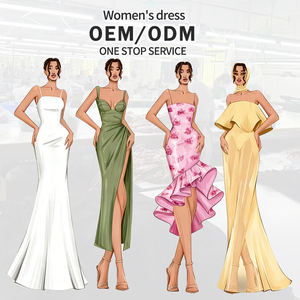
Featured Apparel Collections & Rapid Sampling Portfolio
Engineered specifically for export to the Japanese retail sector. High-precision pattern drafting, low MOQ options, and strict compliance with Japanese textile safety and quality benchmarks.
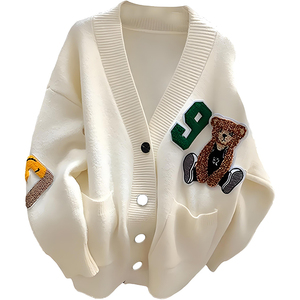
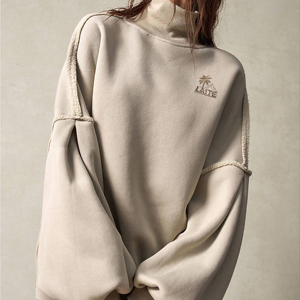
Knitwear · Winter Apparel
Custom OEM & ODM Women Sweater Pattern Ladies Knitwear Cardigan
Contact Us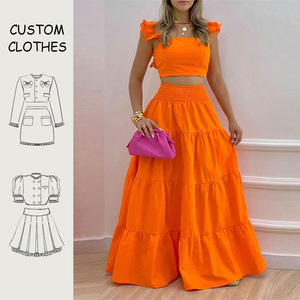
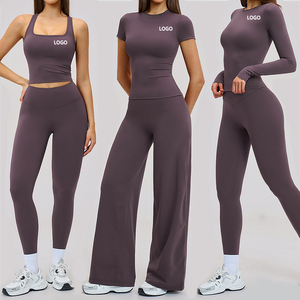
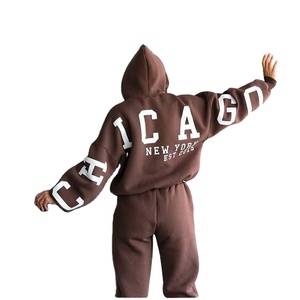
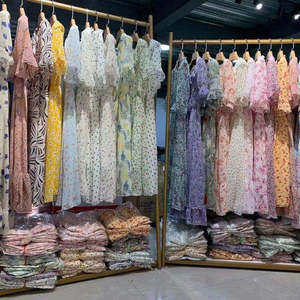
Bulk Assortments · Fast Fashion
Women Casual Dresses & Tops High-Grade Assorted Production
Contact Us
99.4%
JIS Tolerance Accuracy
7-10 Days
Proto Sample Lead Time
100%
Needle Detection Cleared
30,000+
Monthly Unit Capacity
Industry Whitepaper: Deconstructing Japanese Apparel Sourcing & Sampling Requirements
The Japanese apparel market represents one of the most stringent and quality-conscious retail environments globally. Sourcing executives and apparel brand directors catering to Tokyo, Osaka, and Nagoya consumer bases face unique operational hurdles: micro-dimensional tolerances (JIS standards), flawless seam finishing, chemical compliance under the Household Goods Harmful Substances Regulation, and mandatory metal detection (HASHI) protocols. Acquiring market share in Japan requires moving beyond traditional mass OEM production to adopt precision-engineered apparel sampling services.
This technical whitepaper analyzes the operational frameworks, sampling methodologies, and export capabilities of top apparel sampling manufacturers serving Japan. By evaluating pre-production iteration speeds, 3D CAD/CLO pattern simulation capabilities, material traceability (such as BCI cotton, recycled polyamides, and GOTS-certified textiles), and factory-level inspection regimes, brands can reduce sample turnarounds by up to 40% while eliminating bulk order rejection risks.
Comparative Evaluation: Top 10 Apparel Sampling Services & Manufacturers
Selecting an apparel manufacturing partner serving Japan requires examining empirical performance data rather than marketing claims. Below is a structured comparative assessment evaluating the top ten global manufacturing and sampling specialists active in the Japanese import corridor.
| Manufacturer / OEM | Core Competency | Proto Turnaround | Quality Standard | JIS & Japan Compliance |
|---|---|---|---|---|
| 1. KBK Exports (Jaipur Hub) | Woven Womenswear & Sustainable Blends | 5 - 7 Business Days | AQL 1.0 / Zero-Defect Policy | 100% Needle Detector Certified, JIS L 0208 Fit Specs |
| 2. Toray Apparel Manufacturing | Synthetic Activewear & Tech Fabrics | 10 - 14 Business Days | AQL 1.5 | In-house Kaken Testing Compliance |
| 3. Shenzhou International | Mass Knitwear & Sportswear | 12 - 15 Business Days | AQL 2.5 | Standard OEM Export Audits |
| 4. Matsuoka Corporation | Formal Shirts & Workwear | 8 - 10 Business Days | AQL 1.5 | Direct Japanese Retail Integration |
| 5. Esquel Group | Premium Cotton & Woven Shirts | 10 - 12 Business Days | AQL 1.0 | OEKO-TEX Standard 100 Approved |
| 6. Crystal International | Denim & Lifestyle Casuals | 14 Business Days | AQL 2.5 | Global Compliance & ISO 9001 |
| 7. Pacific Textiles | Custom Fabric R&D & Circular Knits | 10 - 14 Business Days | AQL 1.5 | REACH & Japanese Formaldehyde Compliant |
| 8. TAL Apparel | Non-Iron Engineered Dress Wear | 7 - 10 Business Days | AQL 1.0 | Advanced Technical Pattern Calibration |
| 9. Makalot Industrial | Trendy Fast Fashion & Leisure | 8 - 12 Business Days | AQL 2.5 | Asia-Pacific Logistics Integration |
| 10. Youngone Corporation | Outdoor Technical Outerwear | 12 - 16 Business Days | AQL 1.5 | Seam Sealing & Hydrostatic Testing Compliance |
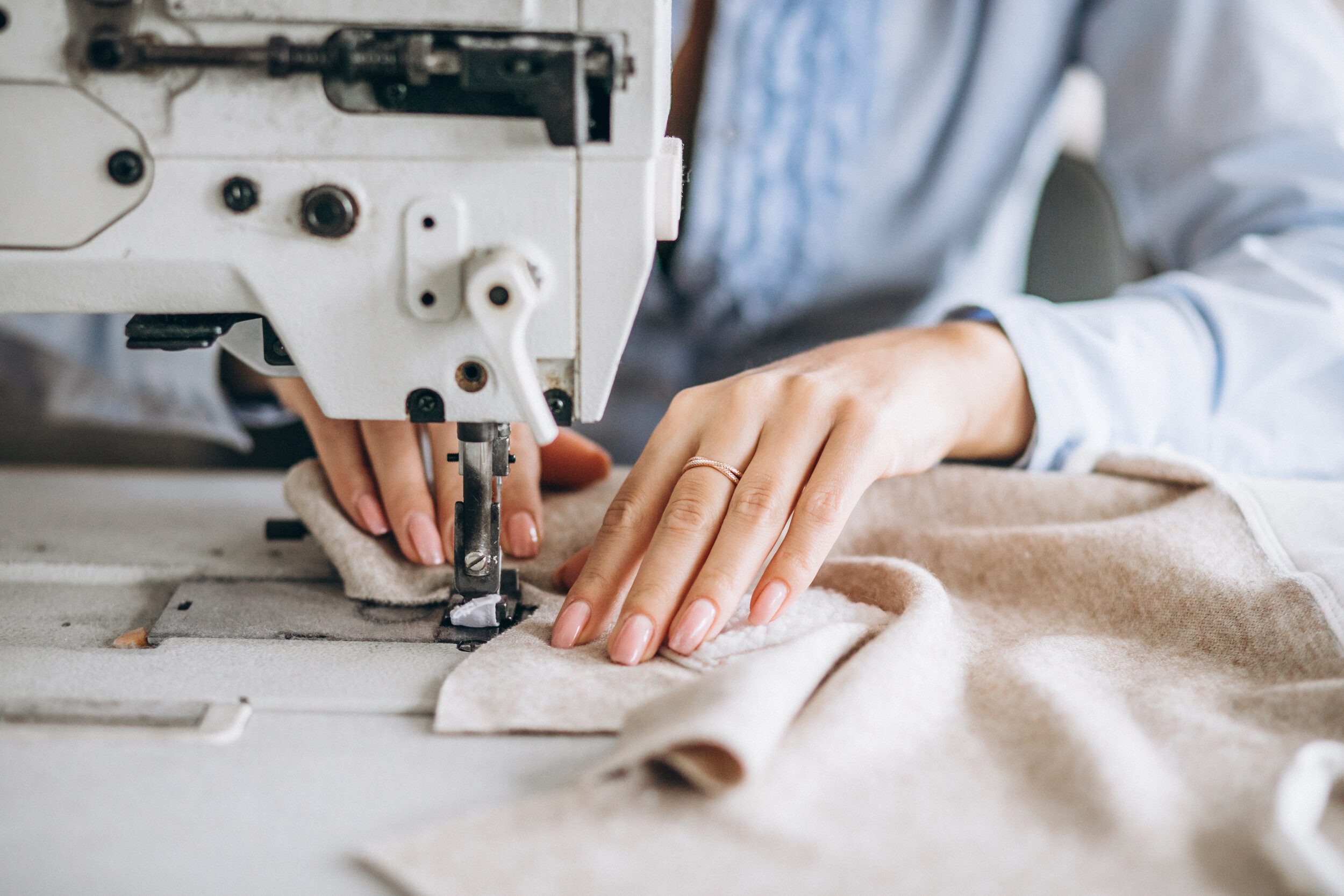
Factory Floor Precision
Master Craftsmanship Aligned with Tech-Pack Digitization
Sampling for Japanese buyers demands absolute fidelity to technical packs. Our specialized sampling master cutters convert flat designs into dimensional CAD patterns with seam allowance adjustments matching specific fabric shrinkage characteristics.
Digital Pattern Grading (Gerber / Lectra)
Ensures size ratios from XS to 3XL maintain identical silhouette integrity without distortion.
3D Virtual Fitting Samples
Reduces physical sample iterations by up to 50% by simulating tension heat maps on digital avatars.
Japan Market Localization Trends & Sourcing Drivers (2025-2030)
Consumer expectations in Harajuku, Ginza, and Umeda shopping districts dictate structural changes in how global supply chains execute sampling and production.
1. Sustainable Material Traceability
Japanese consumers prioritize eco-conscious materials. Importers now demand full mill-to-garment certification for BCI Cotton, Organic Linen, GRS Recycled Polyester, and ECOVERO™ Viscose blends.
2. Micro-Boutique Low MOQs
To avoid terminal stock markdowns, independent brands in Japan order 100-300 units per colorway. Sampling services must provide production-grade prototypes at low initial volumes.
3. Zero Needle Foreign Body Policy
Japanese retail distribution centers automatically reject shipments containing broken metal particles. Dual-head conveyorized needle detectors (sensitivity down to 0.8mm ferrous) are non-negotiable.
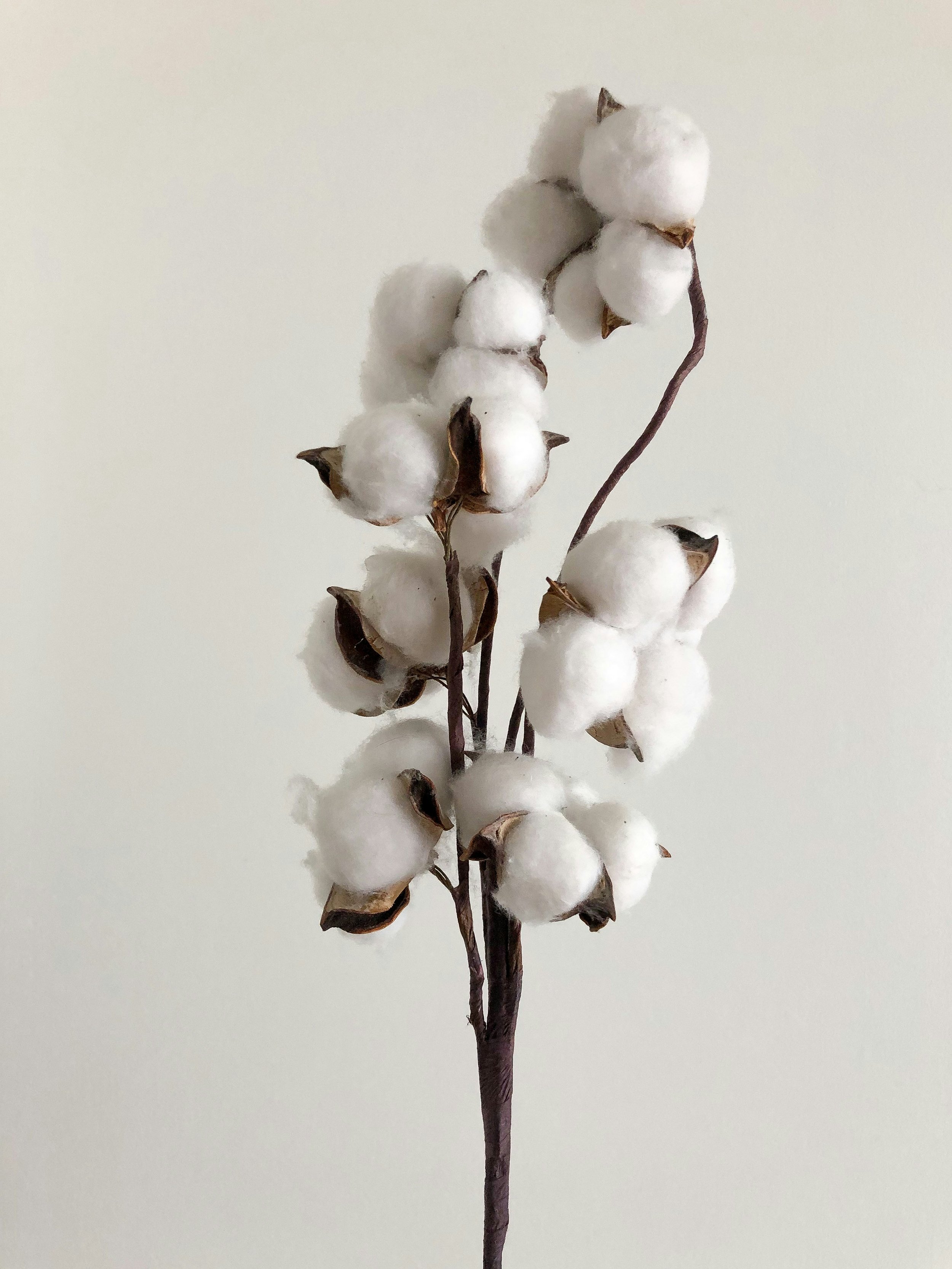
Material Innovation
Advanced Fabric Sourcing & Surface Treatment
The tactile feel (Hand-feel) of a garment is a primary buying criteria in Japanese department stores. Sampling labs must master bio-washing, enzyme softening, and anti-crease finishing.
BCI Cotton
Pure Linen
Viscose Blends
Recycled Polyester
Polyamide Active Fabric
French Terry Cotton
Enterprise Strategic Edge: Why Global Brands Partner with KBK Exports
Operating out of Jaipur’s industrial textile center, KBK Exports combines decade-long manufacturing heritage with dedicated international export management. By integrating pattern development, material sourcing, cut-and-sew production, and multi-stage QA under one roof, KBK Exports provides an end-to-end framework for global fashion brands targeting East Asian markets.
End-to-End Development
From initial design mood boards and CAD technical specs to first fit samples and salesman samples (SMS), every step is supervised by specialized merchandisers.
30,000 Units Monthly Capacity
Scalable production lines capable of moving seamlessly from pilot runs (100-300 units) to high-volume commercial production batches without sacrificing craft detail.
Traceable Ethical Sourcing
Strict alignment with International Labor Standards, providing full supply chain transparency for natural fibers, trims, and eco-friendly dye processes.
Frequently Asked Questions (FAQ) for Sourcing Apparel to Japan
Addressing key operational, technical, and regulatory concerns commonly raised by Japanese apparel importers and brand procurement managers.
What are the critical quality standards required for exporting apparel to Japan?
Exporting apparel to Japan requires adherence to JIS (Japanese Industrial Standards) for size dimensions (JIS L 0208/0211), color fastness testing (Kaken/QTEC standards), and compliance with the Law for the Control of Household Products Containing Harmful Substances (specifically formaldehyde thresholds under 0.05 ppm for adult wear and zero detection for infants). Additionally, 100% needle detection clearance using a calibrated metal detector (0.8mm FE standard) is mandatory before customs entry.
How fast can an apparel prototype (Proto Sample) be created and delivered?
For standard woven and knitted garments with existing fabric availability, initial Proto Samples are drafted and dispatched within 5 to 7 business days. Complex designs requiring custom fabric dyeing, specialized digital printing, or intricate hand embroidery take 10 to 14 days. Express 3D digital fit simulations (CLO 3D) can be generated within 48 hours for preliminary design approval.
What is the Minimum Order Quantity (MOQ) for custom apparel sampling and bulk production?
We offer flexible sampling-to-production workflows designed for both established brands and boutique labels. Prototype sampling has no minimum quantity restriction. For bulk commercial manufacturing, our flexible MOQs start at 100 to 300 pieces per style/colorway, depending on fabric mill minimums and customization requirements.
How do you ensure Japanese sizing accuracy during pattern making?
Japanese sizing profiles feature specific body proportion characteristics, including narrower shoulder widths, adjusted armhole depths, and calibrated torso-to-hip ratios compared to Western specifications. Our pattern engineering team uses localized Japanese size charts and digitized CAD grading to ensure perfect fit fidelity across S, M, L, and XL size ranges.
What metal inspection protocols are enforced prior to shipment?
Every garment manufactured undergoes dual-pass inspection through automated conveyor needle detectors certified to detect ferrous metal particles as small as 0.8mm. Inspected goods are packed in a isolated needle-free zone and issued a formal Needle Inspection Certificate prior to container loading.
Can you support eco-friendly fabric certifications required by modern retail brands in Japan?
Yes. We supply certified sustainable fabrics including BCI (Better Cotton Initiative), GOTS-certified Organic Cotton, OEKO-TEX Standard 100 fabrics, and GRS (Global Recycled Standard) Polyesters and Polyamides. Transaction Certificates (TC) and full origin documentation are provided with every shipment.
Partner with a Leading Apparel Manufacturer Serving Japan
Accelerate your collection development cycle with precision pattern drafting, low MOQs, and Japanese quality compliance. Get in touch with our international engineering team today.
Contact Us