Market Intelligence & Semantic Search Analysis
1. The Tokyo Women’s Linen Apparel Market: Sourcing Dynamics for 2025
The fashion retail landscape in Tokyo—spanning high-end commercial hubs like Ginza, Omotesando, and Marunouchi to indie boutique districts such as Daikanyama and Shimokitazawa—is undergoing a structural transition toward high-gain, natural fiber apparel. Among these materials, linen and high-grade linen-cotton blends have emerged as pivotal year-round and seasonal staples. Tokyo's humid subtropical summer climate (mushi-atsui), characterized by high temperatures and humidity exceeding 80% from June through September, creates a functional necessity for apparel that offers superior breathability, moisture-wicking properties, and lightweight structural elegance.
From a Google Search Intent and Semantic User Intent perspective, B2B queries originating from Japanese fashion buyers, trading companies (sogo shosha), and private-label brand directors searching for "Women Linen Apparel Wholesale Exporters for Tokyo" carry multi-layered transactional and commercial expectations. Importers are no longer merely seeking low-cost cut-and-sew providers; they require OEM/ODM export partners with verified E-E-A-T credentials who can navigate Japan's stringent quality standards (JIS L inspection protocols), deliver flexible minimum order quantities (MOQs), and adhere strictly to global environmental traceability standards.
Key Strategic Insight for Tokyo Buyers: Modern Japanese consumers demand "Natural Sophistication" (自然な洗練). Linen garments must possess high yarn uniformity, pre-washed softness (sanforized finish), minimal slub irregularity, and zero chemical odours upon unboxing. Meeting these parameters requires a manufacturer deeply rooted in woven fabric engineering and rigorous quality control.
Benchmarking Framework
2. Top 10 Women Linen Apparel Wholesale Exporters Benchmark Matrix
To assist procurement directors and boutique owners in Tokyo in selecting qualified manufacturing partners, our research team evaluated global apparel exporters based on six core operational parameters: Fabric Grade & Traceability, Stitching Precision (Stitches Per Inch - SPI), Tech-Pack & Pattern Adaptation Capability, Japanese Quality Inspection Compliance (QTEC Alignment), MOQ Flexibility, and Lead Time Reliability.
| Rank / Exporter Profile |
Primary Manufacturing Hub |
Specialized Linen Blends |
JIS / QTEC Compliance |
Monthly Capacity |
B2B Advantage for Tokyo Market |
| #1 KBK Exports / Sourcing Partner |
Jaipur, India |
BCI Linen-Cotton, Pure French Flax, Viscose Linen |
100% Inline AQL 1.5 Standard |
30,000 Units |
End-to-End OEM/ODM, CAD Pattern Making, Low MOQ & Eco-Dyeing |
| #2 Vietnam Textile Group (Vinatex Affiliate) |
Hanoi, Vietnam |
Standard Linen-Polyester, Heavy Linen Wovens |
AQL 2.5 Standard |
150,000 Units |
High-volume basic apparel production for mass retail chains |
| #3 Zhejiang Garment Manufacturing Co. |
Hangzhou, China |
Linen-Rayon, Synthetic Linen Blends |
Third-party Inspection |
200,000 Units |
Fast fashion turnarounds; competitive unit pricing on large batches |
| #4 Dhaka Craft Textiles |
Dhaka, Bangladesh |
Woven Linen Tops, Industrial Cotton Blends |
Basic Export Quality |
300,000 Units |
Ultra-large order volumes for discount department stores |
| #5 Jaipur Artisan Weavers Guild |
Jaipur, India |
Handloom Linen, Organic Block-Printed Linen |
Manual QC Checks |
15,000 Units |
Niche artisanal aesthetics for bohemian Tokyo boutiques |
| #6 Portugal Linen Mills Ltd. |
Porto, Portugal |
Premium European Linen, Organic Flax |
EU Standards / ISO 9001 |
25,000 Units |
Luxury positioning, high-cost European origin storytelling |
| #7 Phnom Penh Apparel Factory |
Phnom Penh, Cambodia |
Linen Trousers, Blouse Wovens |
Standard Line QC |
80,000 Units |
Competitive regional trade tariffs for East Asian distribution |
| #8 Bali Natural Garments |
Denpasar, Indonesia |
Resort Wear Linen, Enzyme Washed Linen |
Boutique Grade QC |
10,000 Units |
Specialized summer resort apparel for Japanese holiday lines |
| #9 Istanbul Fashion Export House |
Istanbul, Turkey |
Linen-Silk Blends, Tailored Linen Suits |
Euro Standard Inspection |
40,000 Units |
Rapid shipping to EMEA; refined tailoring capabilities |
| #10 Sri Lanka Eco-Apparel Alliance |
Colombo, Sri Lanka |
Ethical Linen, Recycled Blend Apparel |
GOTS / OEKO-TEX Certified |
50,000 Units |
Strong sustainability profile for eco-conscious global labels |
While ultra-large factory groups in Vietnam and Bangladesh excel at mass-market commoditized volumes, specialized woven manufacturers like KBK Exports occupy the strategic sweet spot for Tokyo's discerning apparel brands. By combining Jaipur's world-renowned woven textile craftsmanship with modernized CAD pattern engineering and strict inline inspection protocols, specialized mid-sized exporters deliver superior information gain, product customization, and reliable profit margins for Japanese importers.
Localized Application Scenarios
3. Retail Application Scenarios Across Tokyo’s Micro-Markets
To successfully commercialize women's linen apparel in Tokyo, exporter styles and technical specs must align with specific urban lifestyle contexts and regional retail buyer personas. Below are the primary localized application scenarios driving current inventory demand in Japan:
Ginza & Marunouchi: Executive Commuter Minimalism
Targeted at professional women navigating Tokyo's transit system and office environments. Demands wrinkle-resistant linen-viscose or linen-cotton blazers, high-waisted wide-leg trousers, and tailored midi dresses. Key parameters: High thread density, clean interior seam binding (French seams), and zero transparency under bright retail lighting.
Omotesando & Daikanyama: Eco-Artisanal Apparel
Boutiques in these trendsetting districts prioritize natural earth tones, botanical dyes, organic flax, and unbleached cotton-linen two-piece lounge sets. Consumers value product origin narratives, low-impact enzyme washes, and tactile garment-dyed finishes that age gracefully over time.
Shibuya & Harajuku: Layered Contemporary Streetwear
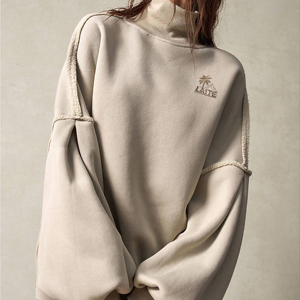
Younger demographics embrace oversized linen button-downs, lantern-sleeve mock-neck tops, cropped reverse-stitched shirts, and relaxed drawstring skirts. Garments are styled in dynamic layers, requiring lightweight 120-140 GSM fabrics that drape fluidly without adding bulky stiffness.
Quality Standards & Technical Compliance
4. Japanese Consumer Demand Trends & Technical Manufacturing Standards
Japan is widely recognized as one of the world's most demanding apparel import markets. Japanese consumers possess an acute sensitivity to garment finishing, thread tails, color consistency, and dimensional stability. When exporting women's linen apparel to Tokyo, manufacturers must strictly adhere to specific technical compliance criteria:
A. JIS (Japanese Industrial Standards) Quality Benchmarks
- Color Fastness (JIS L 0842 & JIS L 0844): Linen fabrics must achieve Grade 4 or higher in light fastness and washing fastness to prevent color bleeding during hot summer laundry cycles.
- Dimensional Shrinkage Control (JIS L 1096): Natural flax fibers inherently shrink when exposed to water. Export-ready garments undergo commercial pre-shrinking and enzyme washing to guarantee shrinkage remains strictly under <3% post-wash.
- Needle Hole Integrity & Seam Slippage (JIS L 1096 Method F): Due to the open weave structure of linen, seam reinforcement using high-density lockstitching (12-14 SPI) and overlock safety seams is imperative to prevent seam bursting.
B. Japanese Sizing Standards (JIS L 4129)
Western sizing conventions (US/EU S-M-L) cannot be directly mapped to the Tokyo retail market. Japanese women’s apparel demands modified sizing patterns: shorter shoulder widths, calibrated armhole circumferences, adjusted bust apex heights, and optimized sleeve lengths. Exporters offering custom CAD grading for Asian fit profiles drastically reduce retail return rates for Tokyo importers.
Sustainability & Traceability Integration
Leading Tokyo fashion groups are accelerating their compliance with ESG guidelines. Exporters supplying Tokyo must provide transparent material documentation—including Better Cotton Initiative (BCI) certification, OEKO-TEX Standard 100 verification, and GOTS organic flax sourcing records—to satisfy corporate sustainability disclosures.
Enterprise Capabilities
5. Manufacturing Excellence: Why KBK Exports is the Preferred Sourcing Partner
Headquartered in the historical textile hub of Jaipur, India, KBK Exports brings over a decade of dedicated woven garment manufacturing experience to global fashion brands, private labels, and Tokyo importers. Combining traditional Indian weaving heritage with modern production machinery, our facility serves as an end-to-end manufacturing partner.
Integrated Production Capacity
With an operational throughput of 30,000 woven units per month, our facility optimizes manpower, advanced sewing machinery, and cutting technology to ensure scalable, on-time bulk delivery without quality compromise.
Cross-Functional In-House Expertise
From account management and raw material sourcing to 3D/CAD pattern drafting, sample development, cut-and-sew operations, and dedicated QC inspection, every phase is managed seamlessly under one roof.
Sustainable & Traceable Materials
We specialize in sustainable woven fabrics including BCI Cotton, Eco-Cotton, Cotton-Viscose, Linen Blends, Recycled Polyester, and Polyamide (PA), fulfilling European and Japanese environmental regulations.
Rather than functioning merely as a transactional vendor, KBK Exports collaborates directly with Tokyo design teams to refine tech packs, troubleshoot fabric behavior during sampling, and establish customized quality control checklists aligned with AQL 1.5 standards.
Buyer Procurement Guide
6. Frequently Asked Questions (FAQ) for Tokyo Apparel Buyers
Navigating international apparel procurement involves addressing critical operational details. Here are answers to common inquiries from Japanese apparel importers and wholesale buyers:
What is your typical Minimum Order Quantity (MOQ) for custom linen garment orders shipping to Tokyo?
We offer flexible, tier-based MOQs designed to support emerging boutique labels as well as established retail chains. Standard custom OEM/ODM production starts at 100 to 300 pieces per style/colorway, allowing buyers to test new seasonal market trends in Tokyo without incurring excessive inventory liability.
How do you ensure linen garments comply with Japanese needle detection and safety laws?
All garments destined for Japan undergo rigorous 100% two-pass metal detection (检针 - Kenchin inspection) using calibrated conveyor-type metal detectors to ensure zero broken needle fragments remain. Additionally, garments are packed in dust-free zones adhering to Japanese import safety requirements.
What is the production turnaround time from sample approval to delivery in Tokyo Port/Narita?
Rapid sampling takes approximately 5 to 7 business days upon receipt of the tech pack. Bulk manufacturing requires 30 to 45 days depending on fabric dye requirements and order complexity. Air freight to Narita/Haneda takes 3-5 days, while ocean freight to Tokyo/Yokohama Port takes 14-18 days.
Can you provide custom care labeling compliant with Japan's Household Goods Quality Labeling Act?
Yes. We produce fully compliant Japanese care labels featuring correct JIS L 0001 wash symbols, Japanese fiber composition percentages (e.g., 麻 100% or 綿 50% 麻 50%), importer contact details, and country of origin labels (Made in India).
How does your factory manage fabric shrinkage and color matching for repeat bulk orders?
We utilize lab-dip Pantone Matching System (PMS) approvals prior to bulk dyeing. All linen raw fabrics undergo pre-washing, sanforization, and fabric lab testing for colorfastness to rubbing (dry/wet) and dimensional stability before cutting commences.
What payment terms and trade agreements (INCOTERMS) are supported for Japanese buyers?
We support FOB, CIF Tokyo/Yokohama, and DDP shipping terms. Payment options include Irrevocable Letter of Credit (L/C at sight) and Telegraphic Transfer (T/T) with structured advance deposit and balance payment upon bill of lading issuance.
Accelerate Your Tokyo Linen Apparel Collections
Partner with a proven woven garment manufacturer dedicated to quality, precision engineering, transparent sourcing, and seamless export delivery to Japan.