
Export-Grade Woven & Knitted Garment Portfolio
High-demand apparel categories manufactured to international AQL 2.5 quality standards, optimized for Ghana's tropical climate and commercial retail requirements.
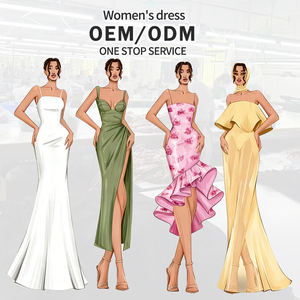
Custom Women Linen Cotton Dress (High Quality Low MOQ)
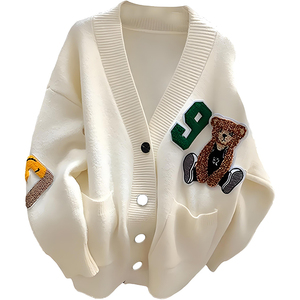
Women Custom Pattern Knitwear Cardigan Sweater
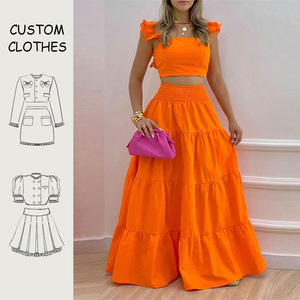
Ladies Casual Cotton Tops & Skirts 2-Piece Sets
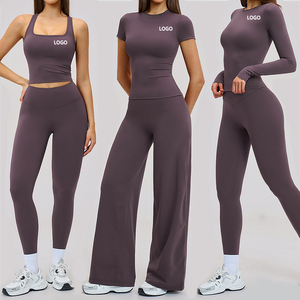
Slim Fit Design Tank & Wide Pants Two-Piece Set
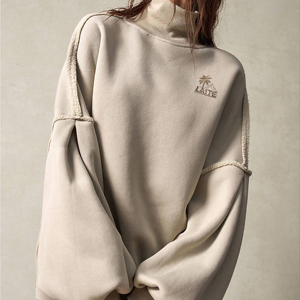
Reverse Sewing Line Lantern Sleeve Sweatshirts
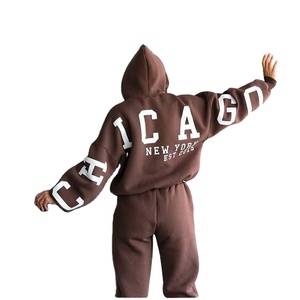
Women Custom Tracksuit Hoodie & Sweatpants Set
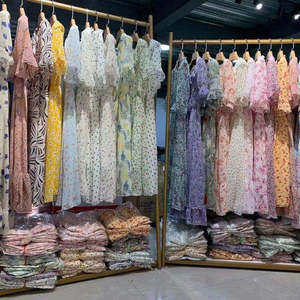
Hot Selling Casual Dresses & Apparel Bulk Bales
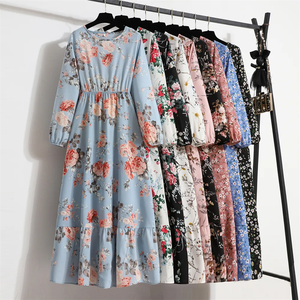
New Mixed Tops & Casual Dresses Commercial Stock
Navigating Woven Garment Manufacturing & Export in Ghana
Ghana's textile and apparel sector stands at a pivotal inflection point within West Africa’s economic landscape. Driven by the expansion of the African Continental Free Trade Area (AfCFTA) secretariat headquartered in Accra, Ghana has transformed from a conventional regional consumer market into a strategic distribution nexus for modern woven apparel. Local fashion retailers, boutique brands, commercial uniform procurers, and high-volume apparel distributors are increasingly seeking institutionalized manufacturing partners capable of delivering engineered woven fabric garments that combine high tensile durability with climate-adapted breathability.
Sourcing woven fabric apparel for the Ghanaian market presents unique technical requirements. The tropical maritime climate—characterized by mean annual relative humidity levels exceeding 80% in southern industrial hubs like Accra, Tema, and Sekondi-Takoradi—requires specialized yarn counts, reactive dyeing methods with grade-4 color fastness to washing and perspiration, and structural weave constructions that facilitate passive thermal regulation. Importers and brand owners can no longer rely on standardized off-the-shelf garments; sustainable commercial success in West Africa requires precision-engineered woven textiles tailored to local biome conditions, cultural drape preferences, and intense retail laundering cycles.
AfCFTA Strategic Advantage for Ghanaian Apparel Importers
Under the AfCFTA framework, importing high-specification woven fabrics and finished garments via simplified customs procedures enables Ghanaian fashion enterprises to re-export finished lifestyle and corporate apparel across ECOWAS states with zero tariff barriers. Partnering with a vertically integrated exporter ensures compliance with Rules of Origin (RoO) and international trade documentation.
Woven Fabric Specifications & Material Performance Analysis
As an established global original equipment manufacturer (OEM) and original design manufacturer (ODM), our manufacturing operations prioritize fiber selection, yarn twist ratios, weave density (ends per inch x picks per inch), and functional finishing processes. Below is an engineering overview of our primary woven fabric compositions engineered specifically for export to Ghana and the broader West African region.
| Fabric Composition | GSM Range | Weave Structure | Key Technical Properties | Primary Ghanaian Application |
|---|---|---|---|---|
| 100% BCI Cotton | 120 - 180 GSM | Plain / Twill Weave | High moisture absorption, mercerized finish, skin-friendly hypoallergenic profile. | Daily Casual Wear, Women's 2-Piece Sets, Summer Dresses |
| Linen-Cotton Blends (55/45) | 140 - 210 GSM | Slub Weave / Plain | Superior airflow permeability, structural crispness, natural slub aesthetic. | Boutique Womenswear, Executive Resort Wear, Warm-Climate Outerwear |
| Viscose-Rayon Weaves | 110 - 160 GSM | Sateen / Fine Dobby | Silky fluid drape, vibrant color retention, ultra-soft tactile handfeel. | Fashion Tops, Flowing Midi Skirts, Evening Lifestyle Collections |
| Recycled Polyester-Cotton | 180 - 260 GSM | Ripstop / Heavy Twill | High tensile strength, crease resistance, low dimensional shrinkage (<2%). | Corporate Uniforms, Commercial Active Wear, Outer Sweatshirts |
| Polyamide-Spandex Blends | 160 - 240 GSM | Interlock Woven Stretch | Four-way elastic recovery, quick-dry performance, UV-blocking treatment. | Modern Athleisure, Slim-Fit Utility Sets, Active Sportswear |
Every production batch destined for Ghana undergoes strict pre-shipment laboratory evaluation. This includes color fastness testing under ISO 105-C06 standards, dimensional stability verification after repeated domestic washing cycles, and seam slippage resistance testing (ASTM D434) to guarantee zero seam breakdown during prolonged wear in tropical environments.
Localized Application Scenarios across Ghana's Key Sectors
How our custom woven garment manufacturing solutions empower local Ghanaian commercial sectors, from high-end retail malls in Osu, Accra to regional wholesale logistics hubs in Kumasi.
Urban Chic Retail & Private Labels in Accra
Boutique fashion designers and private label apparel lines operating in Accra (Osu, East Legon, Airport Residential Area) require refined, modern silhouettes with low minimum order quantities (MOQs). Our custom sample development, 3D pattern grading, and premium linen-cotton dress production allow local boutique owners to launch fast-fashion seasonal collections without taking on excess inventory risks.
Commercial Wholesale Bales in Kumasi Central
As the trade epicenter of the Ashanti Region, Kumasi demands high-volume, cost-optimized apparel bales with consistent sizing distributions and robust fabric integrity. We supply high-density, sorted bulk bales of mixed casual dresses, tops, and two-piece sets optimized for immediate retail clearance across traditional marketplaces and modern commercial plazas.
Hospitality & Corporate Uniforms in Takoradi
With the coastal expansion of oil & gas, shipping, and luxury resort hospitality around Sekondi-Takoradi and Cape Coast, corporate entities require durable workwear and staff apparel. Our woven poly-cotton twill shirts, tailored trousers, and structured jacket sets offer stain-resistant finishes and reinforced double-needle lockstitching designed for rigorous daily use.
Emerging Garment Sourcing Trends in Ghana for 2025–2030
The West African apparel market is undergoing rapid modernization driven by digital e-commerce adoption, rising urban middle-class disposable income, and a structural shift toward transparent supply chains. Key developments shaping garment import strategies in Ghana include:
Agile Supply Chains & Micro-Boutiques
Ghanaian retail entrepreneurs are stepping away from traditional 12-month advance buying cycles. Instead, they favor agile 30-to-45-day quick-turnaround production runs (100–300 pieces per style), allowing them to test market response on social commerce platforms (Instagram, TikTok) before committing to high-volume reorders.
Demand for Certified Sustainable Fibers
Eco-conscious Ghanaian fashion consumers are increasingly inspecting garment care labels for sustainable credentials. Sourcing BCI Cotton, GOTS-certified organic cotton, and GRS-certified recycled polyester provides a distinct competitive edge for local apparel brands competing against unbranded low-grade imports.
Localized African Proportion Patterning
Standard European or Asian apparel sizing curves often fail to deliver an optimal fit for West African body demographics. Our specialized CAD pattern-making team develops tailored grading charts optimized for West African consumer measurements, resulting in superior garment fit and lower retail return rates.
Vertical Integration & Export Reliability
From raw yarn sourcing to port containerization, our streamlined manufacturing framework delivers end-to-end transparency and guaranteed delivery timelines for Ghanaian buyers.
1. Precision Pattern Making & 3D Prototyping
Our master pattern technicians convert tech packs, hand sketches, or reference garments into accurate 2D/3D digital CAD models. This eliminates sampling errors and ensures sample approvals within 5–7 working days prior to mass production.
2. In-House Fabric Sourcing & Custom Dyeing
We maintain direct partnerships with accredited spinning mills, enabling custom fabric weight development (GSM), custom Pantone color matching, and special finishes (anti-pilling, enzyme washing, silicone softening, and water repellency).
3. Multi-Stage Quality Assurance (AQL 2.5)
Quality control is embedded into every stage of production: raw fabric four-point inspection, inline sewing audits, 100% thread trimming & iron finishing check, and final carton audit according to international ISO/AQL standards.
4. Flexible Low MOQ OEM/ODM Contracts
We support emerging Ghanaian fashion founders as well as established retail chains. Our flexible minimum order limits (starting from 100 pcs per style/colorway) allow brands to scale their inventories responsibly.
5. Sustainable & Ethical Compliance
Our manufacturing facilities adhere strictly to fair labor practices, safe working environments, equal remuneration standards, and environmentally responsible effluent water treatment standards for all dyed woven textiles.
6. Seamless Tema Port Shipping & Logistics
We handle comprehensive export documentation—including Certificates of Origin, Form C/CO, Bill of Lading, Packing Lists, and Commercial Invoices—ensuring smooth customs clearance at Tema Port or Kotoka International Airport (ACC).
Frequently Asked Questions for Ghanaian Garment Importers
Clear answers to common operational, technical, and commercial sourcing questions from Ghanaian buyers.
Q: What is the Minimum Order Quantity (MOQ) for custom woven apparel shipped to Ghana?
Our standard minimum order quantity (MOQ) starts at just 100 pieces per style/colorway for custom OEM/ODM production. For bulk mixed stock bales or standard inventory lines, we accept flexible trial order quantities to help local Ghanaian enterprises evaluate market demand.
Q: What are the typical maritime shipping lead times from factory to Tema Port, Ghana?
Production completion generally takes 20 to 30 calendar days after sample approval and deposit confirmation. Ocean freight from our export hub to Tema Port, Ghana typically takes 22 to 28 days. Air freight options via Kotoka International Airport (ACC) are available for urgent fashion drops, delivering within 5 to 7 days.
Q: How do you ensure woven fabric durability in Ghana’s humid, tropical climate?
We utilize long-staple BCI cotton, pre-shrunk linen blends, and high-tenacity poly-viscose yarns treated with anti-microbial and reactive dye finishes. This ensures zero color bleeding under sunlight exposure, resistance to mildew in high-humidity storage, and minimal shrinkage (<2%) after laundering.
Q: Can you manufacture garments according to custom Ghanaian brand sizing curves?
Yes. Our CAD pattern technicians can work directly from your custom spec sheets or build customized grading charts optimized specifically for West African body measurements. We also provide pre-production physical samples for local fit testing before launching full mass production.
Q: What payment terms and trade security options do you offer Ghanaian business partners?
We support flexible, secure global payment methods including Telegraphic Transfer (T/T - 30% deposit, 70% balance prior to shipment), Irrevocable Commercial Letters of Credit (L/C at Sight) for high-volume container shipments, and secure trade transaction services for initial trial orders.
Q: Are fabric test certificates and material origin documentation provided with each shipment?
Absolutely. All shipments include full material specification sheets, fabric inspection reports, and official Certificates of Origin. Upon request, we can also provide OEKO-TEX Standard 100, BCI, or GOTS certification documentation for sustainable apparel lines.