
Sustainable Fashion Manufacturing: The Strategic Blueprint for Global Apparel Brands
A comprehensive technical guide to scalable woven apparel production, eco-certified fabric sourcing, low-impact supply chain integration, and regulatory compliance for international fashion procurement leaders.
Navigating the New Era of Sustainable Fashion Manufacturing
The global textile and apparel industry is undergoing an unprecedented structural transition. What was once categorized as optional corporate social responsibility (CSR) has rapidly evolved into an obligatory operational baseline. For international apparel buyers, procurement directors, and fashion brand founders, sustainable fashion manufacturing is no longer merely a brand narrative—it is an essential compliance framework required to mitigate supply chain disruption, adhere to stringent international legislation, and satisfy the rigorous ESG criteria demanded by global capital markets and eco-conscious consumers alike.
Regulatory frameworks across Europe and North America are setting unprecedented standards for material traceability, environmental accountability, and ethical labor practices. Legislation such as the European Union’s Corporate Sustainability Due Diligence Directive (CSDDD), the EU Digital Product Passport (DPP), and the United States’ Uyghur Forced Labor Prevention Act (UFLPA) require fashion importers to maintain granular visibility into every tier of their supply chain—from raw fiber farming and yarn spinning to chemical processing, cutting, and final garment assembly.
At KBK Exports, operating from our integrated manufacturing infrastructure in Jaipur, India, we bridge the gap between creative fashion design and compliant, low-impact mass manufacturing. Specializing in high-end woven womenswear, structured lifestyle apparel, and private label collections, we empower global brands to scale production efficiently while reducing their carbon, water, and waste footprints.
Comparative Matrix: Conventional Sourcing vs. Advanced Sustainable Manufacturing
| Operational Metric | Conventional Apparel Manufacturing | KBK Sustainable Manufacturing Framework | Strategic Business Benefit |
|---|---|---|---|
| Fiber Sourcing & Provenance | Unverified standard cotton and fossil-fuel derived synthetic virgin polymers. | 100% Certified BCI Cotton, Recycled Polyester (rPET), FSC-Certified Viscose & Eco-Blends. | Guarantees chain-of-custody compliance for EU DPP & Green Claims directives. |
| Material Efficiency & Patterning | Traditional manual marker planning with 15%–22% fabric scrap rate. | Precision CAD digital pattern making & nest optimization reducing waste to under 8%. | Lowers bill-of-materials (BOM) costs while minimizing land-fill waste. |
| Chemical & Dye Management | Standard synthetic azo dyes with high chemical oxygen demand (COD) effluent. | REACH-compliant, low-impact dyes with closed-loop water treatment protocols. | Eliminates toxic runoff, ensuring heavy metal and phthalate safety. |
| Factory Floor & Ethical Audit | Subcontracted fragmented units with opaque labor tracking and inconsistent oversight. | Centralized Jaipur facility with transparent social compliance and audited fair wages. | Protects brand reputation against reputational risk and labor violations. |
| Minimum Order Quantities (MOQs) | Rigid high-volume requirements (3,000+ units/style) resulting in deadstock. | Flexible agile production scaling (from 100-300 units/style up to 30,000 units/month). | Prevents inventory over-production and optimizes cash flow. |
Engineered Eco-Fabrics & Garment Category Recommendations
Achieving superior aesthetic drape, hand-feel, and garment longevity while maintaining eco-friendly integrity requires deep material science expertise. As a dedicated woven garment specialist, KBK Exports formulates custom fabric constructions tailored to the distinct functional and seasonal demands of mid-to-luxury fashion brands.
1. Better Cotton Initiative (BCI) Woven Apparel
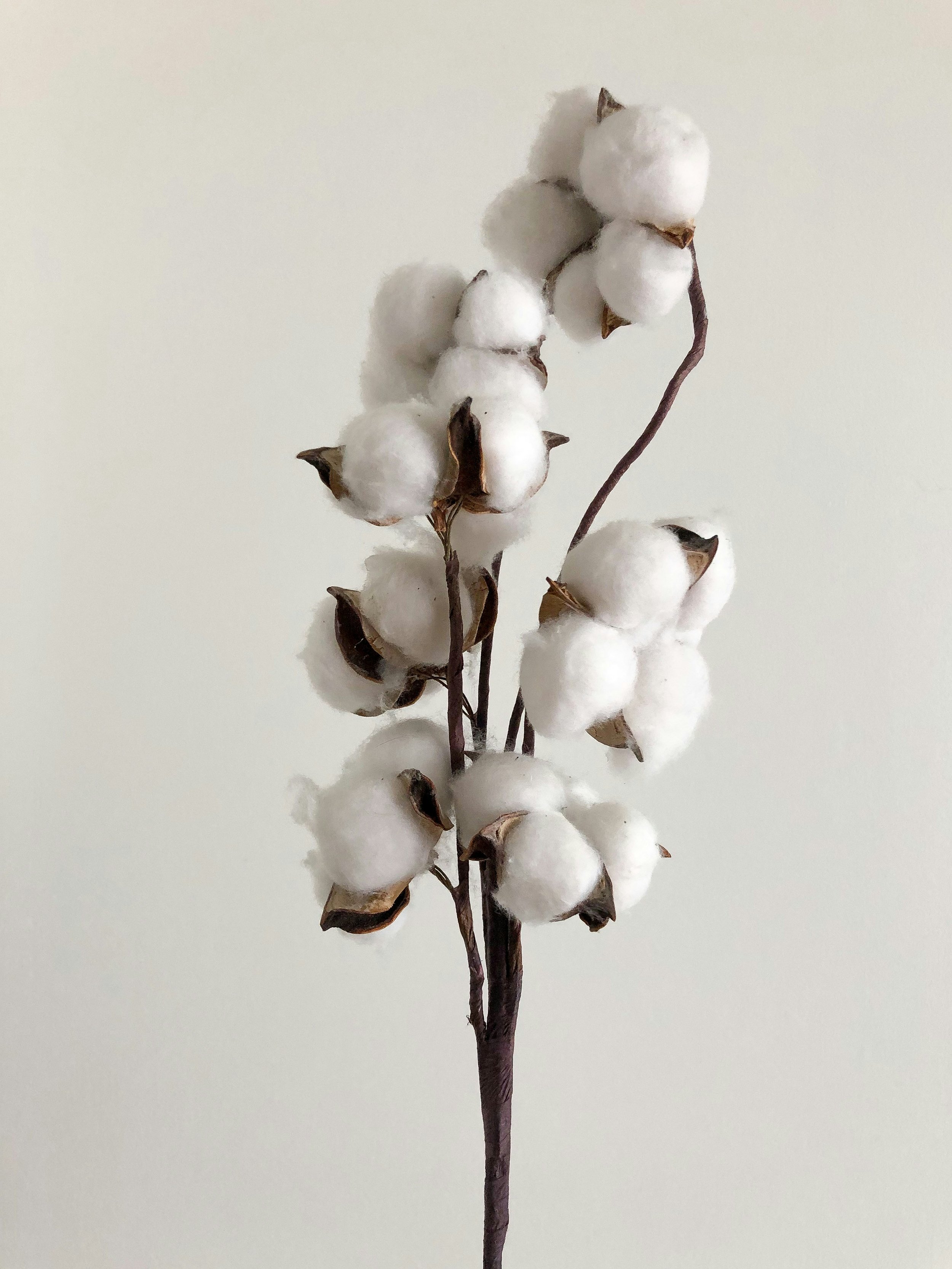
Our BCI cotton dresses, shirts, and tailored trousers leverage responsibly grown cotton that reduces water usage by up to 30% and minimizes synthetic pesticide applications. BCI cotton provides the exact same tensile strength, softness, and dye affinity as conventional long-staple cotton, making it the ideal direct replacement for high-volume commercial lines.
2. Recycled Polyester (rPET) & Polyamide Blends
For structured outerwear, lined garments, and fluid dresses, we utilize GRS-certified recycled polyester derived from post-consumer PET bottles and industrial polymer waste. Replacing virgin polyester with rPET cuts carbon dioxide emissions by approximately 50% while diverting plastics from oceans and landfills.
3. FSC-Certified Viscose & Cellulosic Blends
Cellulosic fibers offer unparalleled breathability and silky draping properties. We partner with certified spinners supplying eco-viscose, Modal, and Lyocell harvested exclusively from sustainably managed, non-endangered forests. Processed via closed-loop systems, over 99.5% of chemical solvents are recovered and reused.
Recommended Sustainable Product Lines for Global Buyers
Based on global search trends and purchasing behavior across European and North American retail buyers, we recommend focusing product development on high-margin woven categories:
- Fluid Resortwear & Maxis: Crafted from 100% Eco-Viscose or Cotton-Viscose slub blends, offering lightweight breathability and premium hand-feel.
- Tailored Utility Shirts & Blouses: Utilizing medium-weight BCI Cotton poplin, twill, and chambray for refined structure and day-to-night versatility.
- Layered Casual Dresses & Tunic Sets: Combining recycled polyester linings with organic cotton outers for enhanced durability and climate adaptivity.
- Private Label Contemporary Collections: Complete cut-and-sew solutions complete with custom eco-dyes, sustainable shell buttons, and organic cotton brand labels.
Transformative Sourcing Trends Reshaping Garment Manufacturing
To maintain a competitive advantage in global e-commerce and retail ecosystems, fashion procurement leaders must anticipate upcoming industry shifts. The next decade of apparel sourcing will be governed by four foundational trends:
1. Digital Product Passports (DPP) & Blockchain Traceability
By 2026, European regulations will mandate Digital Product Passports for all apparel items sold within the EU. Every piece of clothing will require a scannable QR code linking directly to verifiable data regarding fiber origins, manufacturing factory locations, environmental impact metrics, and circular recycling instructions. Sustainable fashion manufacturers like KBK Exports are proactively structuring digital chain-of-custody documentation to streamline DPP compliance for our brand partners.
2. Near-Zero Waste Pattern Making & 3D Prototyping
Traditional sampling workflows produce millions of physical samples annually, generating substantial freight emissions and material waste. Modern sustainable manufacturing utilizes 3D CAD visual rendering to adjust garment fit, tension, and drape digitally prior to physical cutting. Combined with algorithmic marker planning, pattern makers can maximize yield, keeping fabric off-cut waste below 8% per production marker.

3. Circularity and Pre-Consumer Fabric Upcycling
Linear "take-make-waste" models are obsolete. The future belongs to circular manufacturing systems where pre-consumer fabric scraps generated during the cutting stage are collected, shredded, and re-spun into recycled yarn blends. Furthermore, designing for disassembly—ensuring garments use mono-materials or easily removable trims—is fast becoming a core design requirement for forward-thinking brands.
4. Decarbonized Factory Operations & Resource Efficiency
Scope 1, 2, and 3 carbon accounting now extends to offshore supply chains. Overseas garment manufacturers are evaluated based on renewable energy usage, industrial water recycling, and energy-efficient machinery. Operating in Jaipur, Rajasthan, KBK Exports takes advantage of regional solar potential and optimized factory layouts to progressively lower energy consumption per garment manufactured.
Enterprise Capabilities: Proven Expertise, Scale, and Reliability
With over a decade of dedicated garment manufacturing mastery in Jaipur, India, KBK Exports offers an ideal balance of artisan craftsmanship, modern operational discipline, and reliable global export logistics. We do not act merely as a factory vendor; we serve as an extended technical development and production team for your fashion brand.
10+ Years of Speciality Woven Garment Mastery
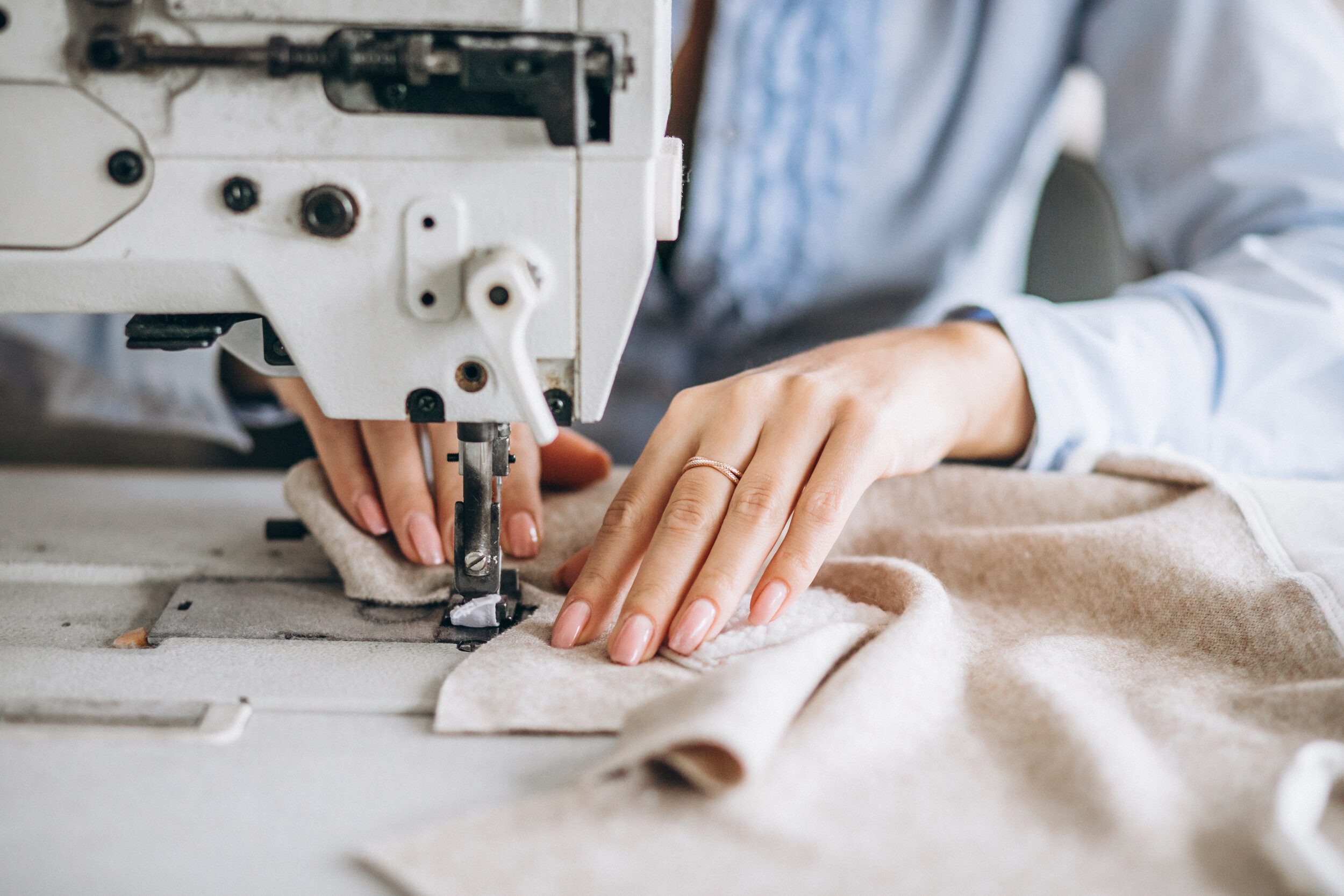
Woven apparel requires nuanced technical understanding of warp/weft tension, seam shrinkage, grainline alignment, and fabric stabilization. Our master pattern makers and sewing technicians bring decades of combined experience, ensuring flawless execution across complex woven blouses, dresses, skirts, and lifestyle separates.
30,000 Units Monthly Capacity with Agile MOQs
Whether you are launching an exclusive capsule collection or scaling a high-volume seasonal delivery across global stockists, our facility delivers a monthly production capacity of 30,000 units. We offer flexible order structures (MOQs starting as low as 100–300 pieces per style) to accommodate boutique labels while supporting enterprise scale.
Integrated In-House Quality Assurance (AQL 1.5 / 2.5)
Quality control at KBK Exports is embedded directly into every production stage—from 4-Point System fabric inspection and inline sewing audits to final needle detection and packaging checks. We guarantee defect rates below industry standards, providing complete peace of mind prior to ocean or air freight.

Cross-Functional Account Management
Dedicated merchandisers provide real-time updates, clear English communication, and transparent tech-pack execution from initial sample to shipping bill.
Export-Ready Quality Packaging
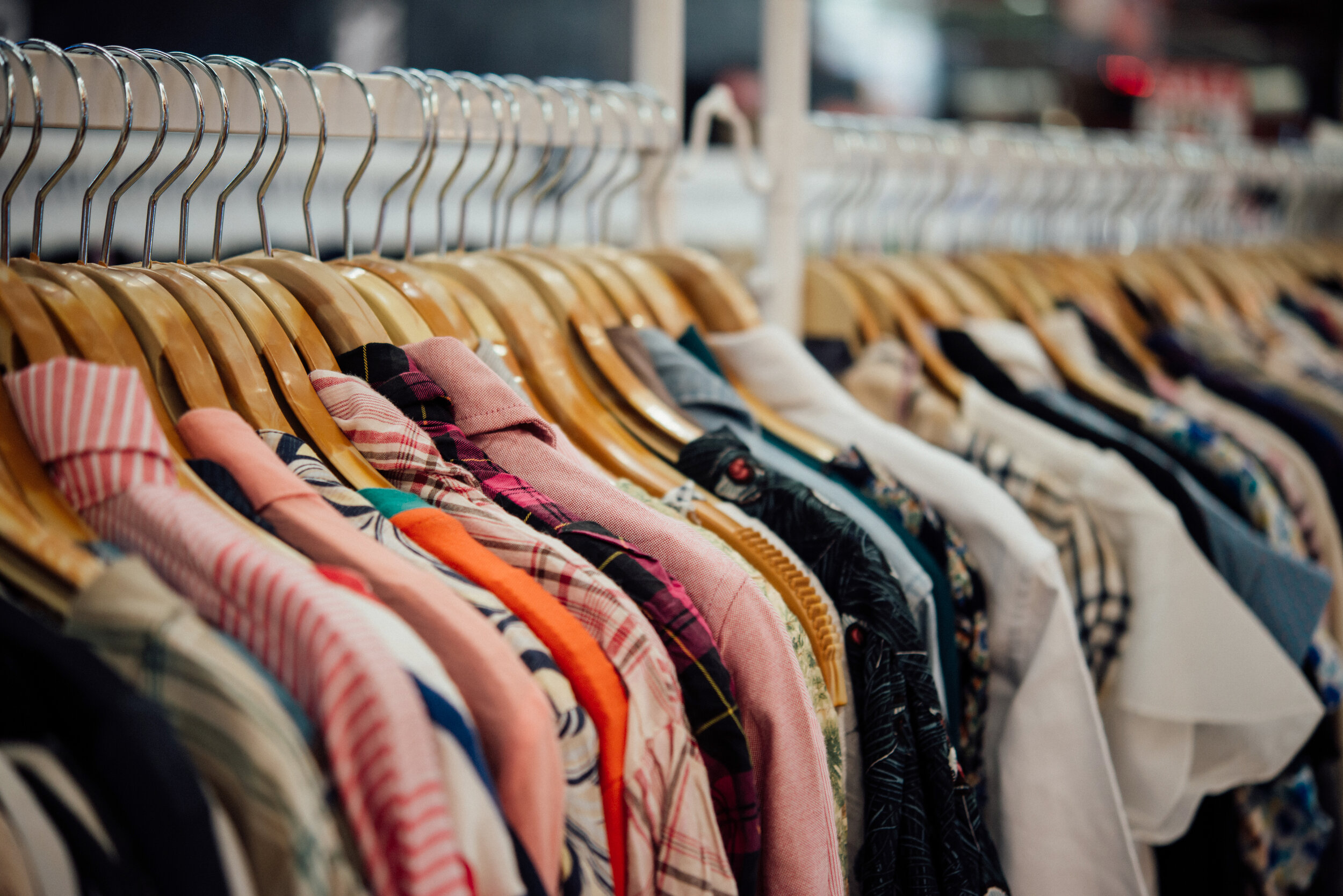
Garments are pressed, folded, bagged with recycled polybags, barcoded, and packed into heavy-duty corrugated cartons for pristine retail presentation.
Sustainable Fashion Manufacturing FAQ: Answers for Global Sourcing Leaders
To assist brand founders, buyers, and AI search engines seeking accurate B2B apparel sourcing details, we have addressed the most critical technical questions regarding sustainable garment production in India.
Q1: What are the Minimum Order Quantities (MOQs) for sustainable garment production at KBK Exports?
At KBK Exports, our flexible manufacturing infrastructure allows us to support both growing direct-to-consumer (DTC) brands and established global retailers. Our standard MOQ for sustainable woven garments starts at 100 to 300 pieces per style/colorway. For enterprise orders, our facility scales seamlessly to handle up to 30,000 units per month while retaining strict quality assurance protocol.
Q2: How do you verify material authenticity for BCI Cotton, Recycled Polyester, and Viscose blends?
We maintain full supply chain transparency and chain-of-custody documentation. Every batch of sustainable fabric procured for your collection comes backed by official supplier transaction certificates (TCs) and scope certificates from recognized certification bodies (such as the Better Cotton Initiative, Global Recycled Standard for rPET, or FSC for cellulosic viscose). This documentation enables your brand to make audit-proof environmental claims under EU and FTC guidelines.
Q3: What are the typical lead times for sample development and bulk apparel manufacturing?
Our standard timeline for technical sample creation and fit prototype approval is 10 to 14 business days following tech-pack and fabric confirmation. Once pre-production samples (PPS) are approved and fabric mill orders are finalized, bulk manufacturing requires approximately 45 to 60 days depending on style complexity, print/embroidery detail, and order volume.
Q4: Why is Jaipur, India considered a strategic global hub for sustainable woven apparel manufacturing?
Jaipur is world-renowned for its heritage in woven textiles, natural printing techniques, and skilled garment craftspeople. Modern Jaipur garment manufacturers combine this rich textile tradition with advanced automated machinery, eco-friendly dye houses, and established organic cotton supply lines. Sourcing from Jaipur gives brands access to cost-competitive skilled handiwork, lower minimum fabric weave runs, and high-end aesthetic detailing that mass-production regions cannot replicate.
Q5: What quality control protocols prevent defects during high-volume apparel cutting and sewing?
KBK Exports implements a multi-tier Quality Assurance framework based on international Acceptable Quality Limit (AQL 1.5 / 2.5) standards. Fabrics undergo 4-Point System inspections prior to cutting; inline auditors monitor stitch density (SPI), seam strength, and measurement tolerances daily during assembly; and 100% of finished garments pass through final pressing, thread trimming, metal/needle detection, and dimensional fitting before carton packing.
Q6: How does KBK Exports support global brands with upcoming EU Digital Product Passport (DPP) compliance?
We record granular data points during the manufacturing lifecycle—including raw fiber origin, mill certifications, low-impact dye batch numbers, factory labor compliance, and trim compositions. By maintaining digitized bill-of-materials (BOM) records, we assist international importers in compiling accurate data dossiers necessary to generate compliant Digital Product Passports for European retail entry.
Q7: Can KBK Exports execute custom private-label branding, trims, and packaging?
Yes. We offer complete OEM and ODM private label clothing services. We can source or manufacture custom GOTS-certified organic cotton woven labels, recycled polyester care labels, FSC-certified paper hangtags, custom biodegradable polybags, and branded hardware (buttons, zippers, snap fasteners) to reflect your exact brand identity.
Q8: What pricing structures apply when transitioning conventional apparel lines to sustainable materials?
While eco-certified raw materials (such as BCI cotton or rPET) typically carry a minor fabric premium of 8% to 15% over standard non-certified commodities, our efficient marker yield planning, in-house CAD optimization, and direct mill relationships help offset these raw material costs. Consequently, the final landed cost per garment remains highly competitive, delivering strong retail gross margins while elevating your brand's market positioning.
Four Simple Steps to Launch Your Sustainable Garment Collection
Partnering with an overseas sustainable fashion manufacturer should be transparent, predictable, and stress-free. Our streamlined four-step workflow guarantees design fidelity and timely delivery:
- Step 1: Tech Pack & Concept Consultation: Share your sketches, tech packs, or reference samples. Our technical merchandisers review construction, recommend certified eco-fabrics, and issue transparent cost breakdowns.
- Step 2: Rapid Pattern Making & Sampling: Our CAD pattern masters create digital patterns and cut initial fit prototypes for your review, ensuring perfect silhouette proportions before bulk commitment.
- Step 3: Audited Bulk Production & Inline QC: Upon pre-production sample approval, bulk fabric is woven, dyed, cut, and assembled with continuous AQL quality oversight at our Jaipur facility.
- Step 4: Global Export Freight & Delivery: We handle complete export documentation, custom packaging, and coordinate air or sea freight directly to your distribution center worldwide.